Broad Bean
Vicia faba
Vegetables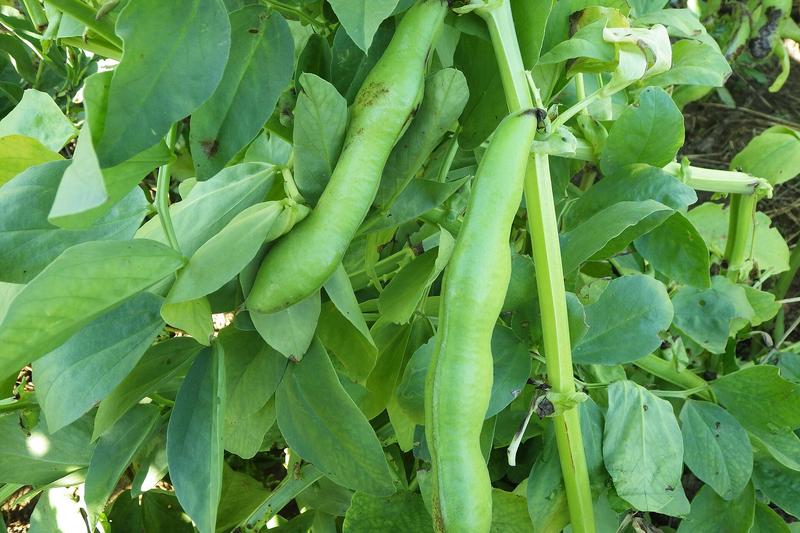
Quick facts
- Watering
- Weekly, more when flowering
- Sunlight
- Full sun
- Soil
- Moisture-retentive, well-drained
- Humans
- Toxic
- Cats
- Toxic
- Dogs
- Toxic
- Height
- 60–120 cm
- Spread
- 30–45 cm
- Spacing
- 20–25 cm apart
About Broad Bean
Broad beans are hardy, upright annual vegetables producing plump pods filled with nutritious beans, beloved in British gardens for centuries. Native to the Mediterranean and Middle East, they thrive in the UK's cool climate and are one of the earliest crops to harvest in spring. Their attractive white flowers with distinctive black markings also fix nitrogen in the soil, improving fertility for subsequent crops. UK gardeners value them for their reliability, flavour when picked young, and ability to overwinter in milder regions.
UK fact: Broad beans have been cultivated in Britain since the Iron Age and were a staple protein source before potatoes arrived, with archaeological evidence found at Glastonbury Lake Village dating to around 300 BC.
Watering Broad Bean
Broad beans are relatively drought-tolerant but benefit from consistent moisture, particularly from flowering through to pod development. In typical UK springs, natural rainfall often suffices, but water weekly during dry periods, providing approximately 2.5 cm per week. Increase watering frequency when flowers appear and pods are swelling, as moisture stress at this stage significantly reduces yields. Avoid overhead watering in humid conditions to minimise fungal disease risk; instead, water at the base of plants in the morning.
Sunlight requirements
Position broad beans in an open, sunny spot receiving at least six hours of direct sunlight daily. In the UK, south-facing plots are ideal, though they tolerate light shade in midsummer. Avoid planting in heavily shaded areas or beneath trees, as poor light encourages weak, leggy growth and increases susceptibility to chocolate spot and other fungal diseases common in British gardens.
Soil and feeding
Grow broad beans in deep, fertile soil enriched with well-rotted compost or manure the previous autumn, as they develop extensive root systems. They perform best in neutral to slightly alkaline conditions (pH 6.5–7.5) and struggle in acidic soils; lime acid soils if necessary before planting. Good drainage is essential, particularly for autumn-sown crops that must survive winter waterlogging, which causes root rot. Heavy clay soils benefit from added organic matter and grit to improve structure, whilst sandy soils require generous compost incorporation to retain moisture during the growing season.
As legumes, broad beans form a symbiotic relationship with nitrogen-fixing bacteria in root nodules, so avoid high-nitrogen fertilisers which promote leafy growth at the expense of pods. Apply a general-purpose fertiliser at planting if soil is poor, then feed with a tomato fertiliser or sulphate of potash when flowers appear to encourage pod set. After harvest, cut stems at ground level and leave roots in the soil to release their stored nitrogen for the benefit of following crops.
Pruning Broad Bean
When plants reach approximately 90–120 cm tall and the first pods at the base are beginning to swell, pinch out the top 8–10 cm of each stem. This practice, typically done in May or early June in the UK, removes the tender shoot tips that attract blackfly colonies and encourages the plant to focus energy on filling existing pods rather than producing new flowers. The pinched-out tips are edible and delicious steamed or stir-fried. Remove any yellowing lower leaves throughout the season to improve air circulation and reduce disease pressure.
Propagating Broad Bean
Sow broad beans directly into prepared soil from late February to April for spring sowings, or in October to November for overwintering crops in milder UK regions. Autumn-sown varieties such as 'Aquadulce Claudia' are hardier and produce earlier harvests but may fail in severe winters or waterlogged soils. For an early start or in colder areas, sow seeds individually in 7.5 cm pots of multipurpose compost in a cold frame or unheated greenhouse from January to March, transplanting seedlings outdoors when 8–10 cm tall. Broad bean seeds are large and easy to handle, making them excellent for novice gardeners and children.
Common problems
Blackfly (black bean aphid) is the most common pest, clustering on shoot tips from late spring; pinching out tips and encouraging ladybirds helps control infestations, or use an insecticidal soap if severe. Chocolate spot, a fungal disease causing brown lesions on leaves and stems, thrives in damp UK conditions and is worse on autumn-sown crops; improve spacing, avoid overhead watering, and remove affected material promptly. Pea and bean weevil notch leaf edges but rarely cause serious damage, whilst mice can devastate sowings by eating seeds before germination. Broad bean rust occasionally appears as orange pustules on leaves in summer but typically occurs after harvest has begun.
Spot a problem with your plant? Photograph the affected area using the Loam app and it will suggest the most likely cause and treatment.
Safety
- Humans
-
Toxic
Raw broad beans contain vicine and convicine, which can cause favism (a severe haemolytic reaction) in individuals with G6PD deficiency, a genetic condition more common in people of Mediterranean, Middle Eastern, and African descent. Cooking destroys most toxins, making cooked beans safe for most people.
- Cats
-
Toxic
Broad beans can cause gastrointestinal upset in cats if ingested, including vomiting and diarrhoea. Keep cats away from plants and harvested beans.
- Dogs
-
Toxic
Broad beans may cause vomiting, diarrhoea, and abdominal pain in dogs if consumed. The raw beans are more problematic than cooked. Prevent dogs from accessing plants or harvested crops.
Toxicity information is for general guidance only. If a person or pet has been exposed to this plant and you are concerned, seek advice from a medical professional or vet.
Seasonal care calendar
Monthly care guide for Broad Bean in the UK, based on average conditions.
| Month | Care tasks |
|---|---|
| January | Sow early varieties in pots under cover for transplanting in spring. Check autumn-sown plants and firm soil around roots if lifted by frost. |
| February | Sow spring varieties directly outdoors from late February in milder regions. Continue sowing in pots under cover for earlier crops. Protect emerging autumn-sown seedlings from birds. |
| March | Main sowing period for spring varieties outdoors. Transplant pot-grown seedlings when 8–10 cm tall. Hoe between rows to control weeds and earth up stems for stability. |
| April | Complete spring sowings by mid-April. Provide support with canes and string as plants grow. Water during dry spells and watch for early blackfly on autumn-sown crops. |
| May | Pinch out growing tips when first pods set to deter blackfly. Water regularly, especially once flowering begins. Harvest first pods from autumn-sown plants. |
| June | Main harvest period for autumn-sown crops. Continue pinching out tips and removing blackfly. Water spring-sown plants during dry weather to support pod development. |
| July | Harvest spring-sown crops regularly when pods are plump but before beans become leathery. Cut stems at ground level after harvest, leaving roots to enrich soil. |
| August | Complete harvesting of spring-sown crops. Clear spent plants and add to compost. Prepare ground for autumn sowings by incorporating organic matter. |
| September | No action needed for broad beans this month. Plan crop rotation for next season. |
| October | Sow hardy autumn varieties such as 'Aquadulce Claudia' outdoors from late October in milder UK regions for early crops next year. Protect from mice. |
| November | Complete autumn sowings by mid-November. Protect seedlings with cloches in colder areas. Ensure good drainage to prevent winter waterlogging. |
| December | Check autumn-sown plants and firm soil around roots if frost-lifted. Protect with fleece during severe cold snaps in exposed gardens. |
Frequently asked questions
- How do I stop blackfly ruining my broad bean crop?
- Pinch out the growing tips once the first pods begin to set, as blackfly colonies prefer tender new growth. Encourage natural predators like ladybirds and hoverflies, and use companion planting with summer savory. If infestations are severe, spray with insecticidal soap or a jet of water.
- Why are my broad bean leaves turning yellow?
- Yellowing leaves can indicate several issues: waterlogging and poor drainage causing root problems, nitrogen deficiency (though rare in beans), or fungal diseases like chocolate spot. Check soil moisture levels and drainage first. For persistent problems or unusual symptoms, the Loam app can help diagnose the specific cause through photo identification and provide tailored treatment advice based on your growing conditions.
- What soil do broad beans need to grow well?
- Broad beans thrive in firm, moisture-retentive soil with good drainage and a pH of 6.0–7.5. They tolerate heavy clay better than most vegetables but struggle in waterlogged conditions. Prepare beds in autumn by digging in well-rotted compost or manure, then allow soil to settle over winter. Avoid freshly manured ground as this encourages leafy growth at the expense of pods. Unlike other crops, broad beans fix their own nitrogen so don't require high-nitrogen fertilisers.
Got a question about growing Broad Bean that isn't covered here? Ask the Garden Advisor in the Loam app. It knows your saved plants and local conditions.
Related plants
This page was compiled with AI assistance and reviewed by our team. .