Climbing French Bean
Phaseolus vulgaris
Vegetables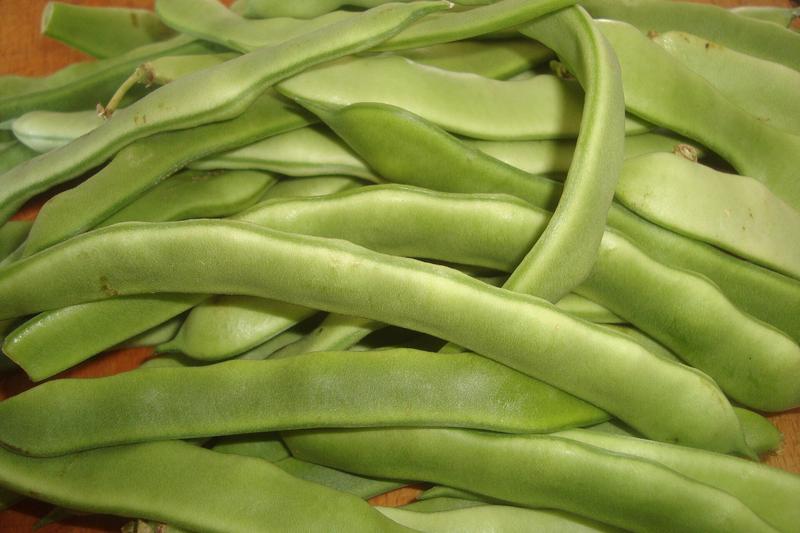
Quick facts
- Watering
- Twice weekly when flowering and podding
- Sunlight
- Full sun
- Soil
- Well-drained, moisture-retentive, fertile
- Humans
- Toxic
- Cats
- Toxic
- Dogs
- Toxic
- Height
- 180–250 cm
- Spread
- 30–45 cm
- Spacing
- 15–20 cm apart
About Climbing French Bean
Climbing French Bean is a vigorous annual vegetable producing long, slender green pods on twining stems that can reach 2 metres or more. Originally from Central and South America, these beans have been cultivated in British kitchen gardens for centuries, prized for their prolific cropping and space-saving vertical growth. UK gardeners favour climbing varieties for their extended harvest period and superior flavour compared to dwarf bush types. The attractive flowers and lush foliage also make them an ornamental addition to the vegetable patch.
UK fact: During the Second World War, climbing French beans were heavily promoted in the Dig for Victory campaign as an essential crop for British gardeners, valued for their high yield in small spaces and ability to fix nitrogen in the soil.
Watering Climbing French Bean
Water sparingly until flowers appear, then increase frequency to twice weekly during dry spells, providing approximately 2.5 cm of water per week. Focus water at the base of plants rather than overhead to reduce fungal disease risk. Mulching with garden compost helps retain moisture and keeps roots cool during hot British summers. Inconsistent watering leads to tough, fibrous pods and poor yields.
Sunlight requirements
Position in a sheltered spot receiving at least six hours of direct sunlight daily, ideally with a south or southwest aspect. In cooler northern regions, a sunny wall or fence provides additional warmth and protection from wind. Insufficient light results in poor flowering, reduced pod set, and increased susceptibility to fungal diseases.
Soil and feeding
Prepare beds by incorporating well-rotted compost or manure several weeks before sowing, aiming for a fertile, friable texture. The ideal pH range is 6.0-7.0; avoid very acidic soils which can limit nitrogen fixation by root nodules. Heavy clay soils benefit from added grit and organic matter to improve drainage, whilst sandy soils require generous compost to retain moisture. Avoid freshly manured ground which promotes excessive leafy growth at the expense of pods.
Apply a general-purpose fertiliser such as blood, fish and bone at planting time, then avoid high-nitrogen feeds which produce lush foliage but few pods. A fortnightly liquid tomato feed once flowering begins supports heavy cropping. The plants' nitrogen-fixing root nodules enrich the soil, making them excellent green manure crops to precede brassicas in crop rotation.
Pruning Climbing French Bean
Once climbing beans reach the top of their canes or support structure (typically 2 metres), pinch out the main growing tip to prevent further upward growth. This encourages the development of side shoots and directs the plant's energy into flowering and pod production rather than vegetative growth. Remove any yellowing lower leaves to improve air circulation and reduce disease risk. Regularly harvest mature pods to stimulate continuous flowering and prevent plants from setting seed, which signals the end of production.
Propagating Climbing French Bean
Sow seeds from late April to early July, depending on your local frost dates and desired harvest period. Direct sowing is most successful, as beans dislike root disturbance, but indoor sowing in biodegradable pots allows earlier planting under cloches. Seeds germinate best in soil temperatures above 12°C; cold, wet soil causes rotting. Successional sowings every three weeks until early July ensure a continuous harvest from July through October.
Common problems
Blackfly (black bean aphid) commonly colonise shoot tips from June onwards, causing distorted growth and reduced yields; pinch out affected tips or spray with organic insecticidal soap. Slugs and snails can devastate young seedlings, so protect with barriers, beer traps, or organic pellets. Halo blight appears as water-soaked spots with yellow halos on leaves and pods, particularly in wet seasons; remove affected plants and avoid overhead watering. Failure to set pods often results from cold nights, water stress during flowering, or lack of pollinating insects.
Spot a problem with your plant? Photograph the affected area using the Loam app and it will suggest the most likely cause and treatment.
Safety
- Humans
-
Toxic
Raw beans and uncooked pods contain lectins (phytohaemagglutinin) which can cause severe gastrointestinal distress. Always cook beans thoroughly before consumption; boiling for at least 10 minutes destroys the toxins.
- Cats
-
Toxic
Raw beans contain lectins that are toxic to cats, causing vomiting and diarrhoea. Keep cats away from bean plants and uncooked pods.
- Dogs
-
Toxic
Raw beans and pods contain lectins toxic to dogs, causing vomiting, diarrhoea, and abdominal pain. Prevent dogs from accessing bean plants and uncooked produce.
Toxicity information is for general guidance only. If a person or pet has been exposed to this plant and you are concerned, seek advice from a medical professional or vet.
Seasonal care calendar
Monthly care guide for Climbing French Bean in the UK, based on average conditions.
| Month | Care tasks |
|---|---|
| January | No action needed. Plan crop rotation and order seeds from catalogues. |
| February | No action needed. Prepare supports and check seed viability if using saved seed. |
| March | Prepare beds by incorporating well-rotted compost. Too early to sow outdoors in most UK regions. |
| April | Sow indoors in pots from late April for early crops. Erect supports and warm soil with cloches in milder regions. |
| May | Sow outdoors from late May after last frost. Harden off and plant out indoor-sown seedlings. Water during dry spells. |
| June | Continue sowings until mid-month for autumn crops. Guide young plants onto supports. Begin regular watering as flowers appear. Watch for blackfly. |
| July | Harvest pods regularly to encourage continuous production. Water twice weekly during dry weather. Pinch out tips when plants reach support tops. Feed fortnightly with liquid tomato fertiliser. |
| August | Continue regular harvesting every 2-3 days. Maintain consistent watering. Remove yellowing lower leaves to improve air circulation. |
| September | Harvest remaining pods before first frosts. Allow some pods to mature for seed saving if desired. Continue watering if weather is dry. |
| October | Clear finished plants after first frost. Cut stems at ground level, leaving nitrogen-rich roots in soil. Compost healthy foliage. |
| November | No action needed. Clean and store supports for next season. |
| December | No action needed. Review this season's performance and plan next year's varieties. |
Frequently asked questions
- How do I protect climbing beans from blackfly?
- Pinch out the soft growing tips where blackfly congregate once plants reach the top of supports, as this is where aphids prefer to feed. Encourage natural predators like ladybirds and hoverflies by planting companion flowers. For severe infestations, spray with organic insecticidal soap or a strong jet of water in the morning.
- Why are my climbing French bean leaves turning yellow?
- Yellowing leaves can indicate several issues including nitrogen deficiency, overwatering, underwatering, or root problems. Check soil moisture levels and ensure good drainage. Yellow lower leaves with green veins may suggest iron deficiency in alkaline soils. The Loam app can help diagnose the specific cause by analysing photos of your plant and tracking watering patterns to identify whether it's a nutrient, water, or disease issue.
- What soil conditions do climbing French beans need?
- Climbing French beans prefer well-drained, moisture-retentive soil with a pH of 6.0-7.0. Dig in plenty of well-rotted compost or manure in autumn before planting, but avoid freshly manured soil which can cause excessive leafy growth at the expense of pods. Beans fix their own nitrogen, so don't require high-nitrogen fertilisers. They perform best in a sunny, sheltered position with soil that warms to at least 12°C before sowing.
Got a question about growing Climbing French Bean that isn't covered here? Ask the Garden Advisor in the Loam app. It knows your saved plants and local conditions.
Related plants
This page was compiled with AI assistance and reviewed by our team. .