Lime
Citrus aurantiifolia
Fruit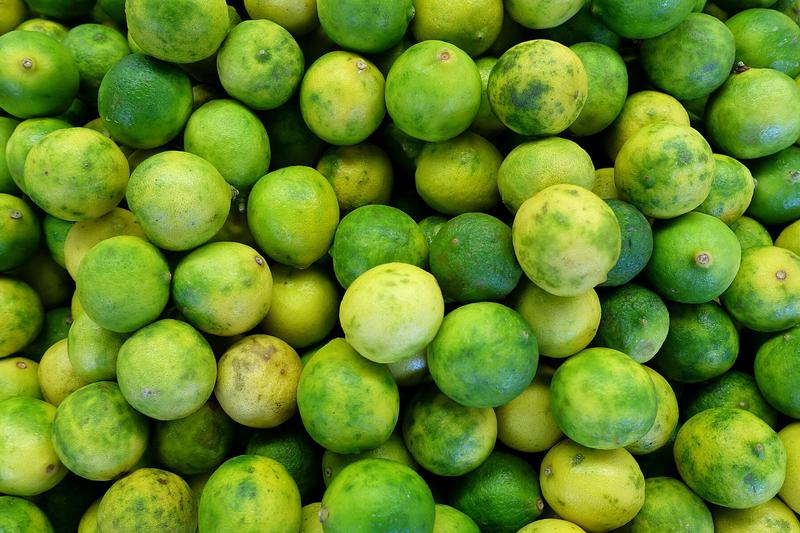
Quick facts
- Watering
- Weekly, more when fruiting
- Sunlight
- Full sun
- Soil
- Well-drained, acidic citrus compost
- Humans
- Safe
- Cats
- Toxic
- Dogs
- Toxic
- Height
- 150–300 cm
- Spread
- 100–200 cm
- Spacing
- 150–200 cm apart
About Lime
Lime is a tender evergreen citrus tree native to Southeast Asia, prized for its aromatic, acidic green fruits used extensively in cooking and drinks. In the UK, limes are grown as conservatory or greenhouse specimens, or as patio plants moved indoors during winter. The glossy dark green leaves and fragrant white flowers make it an attractive ornamental as well as a productive fruiting plant. Compact varieties are particularly well-suited to container cultivation in British gardens.
UK fact: Limes were historically grown in the glasshouses of grand British estates during the Victorian era, when citrus houses became fashionable status symbols among the wealthy, with some historic examples still maintained at properties like Chatsworth House in Derbyshire.
Watering Lime
Water thoroughly when the top 2-3 cm of compost feels dry, allowing excess to drain freely – citrus are particularly sensitive to waterlogging. During active growth from spring to autumn, this typically means watering once or twice weekly, increasing to every few days when flowering and fruiting. In winter, reduce frequency significantly but never allow the rootball to dry out completely. Use rainwater where possible, as limes prefer slightly acidic conditions and UK tap water can be too alkaline in hard water areas.
Sunlight requirements
Position in the sunniest spot available, ideally a south-facing conservatory, heated greenhouse, or sunny patio during summer months. In the UK's lower light levels, particularly during winter, supplementary grow lights can improve fruiting and maintain healthy growth. Rotate container-grown plants regularly to ensure even light distribution and balanced canopy development.
Soil and feeding
Plant in purpose-formulated citrus compost or a mix of ericaceous compost with added horticultural grit or perlite for improved drainage. The soil must be acidic (pH 5.5-6.5) as limes are prone to chlorosis in alkaline conditions, which is particularly important in hard water areas of the UK. Ensure containers have generous drainage holes and add a layer of crocks at the base. Repot every 2-3 years in spring, moving up one pot size until the plant reaches its desired dimensions, then top-dress annually instead.
Apply a balanced citrus feed every two weeks from March to October, following manufacturer's instructions carefully to avoid root burn. Citrus have high nitrogen requirements for healthy foliage and also need trace elements like iron, manganese and magnesium – deficiencies are common in UK cultivation due to our alkaline water. Reduce feeding to monthly in winter when growth slows, or cease entirely if temperatures drop below 10°C.
Pruning Lime
Carry out main pruning in February or early March before new growth begins, removing dead wood, weak growth and any branches that cross or rub. Limes fruit on new wood, so light pruning encourages productive growth without sacrificing too much fruiting potential. Pinch out shoot tips on young plants to encourage bushier growth and a well-balanced framework. Remove any vigorous upright shoots (water sprouts) that develop, and trim back wayward growth to maintain a compact shape suitable for container cultivation and moving indoors.
Propagating Lime
Semi-ripe cuttings taken in late summer offer the most reliable propagation method for home gardeners, though success rates can be modest. Alternatively, grow from fresh seed extracted from ripe fruits, though seedlings will take 5-7 years to fruit and may not come true to type. Grafted plants from specialist nurseries are the best option for UK gardeners wanting reliable fruiting. Air layering is possible but challenging in the UK's cooler climate.
Common problems
Scale insects and red spider mite are the most common pests on indoor-grown limes, particularly in warm, dry conditions – inspect regularly and treat promptly with biological controls or horticultural soap. Leaf yellowing (chlorosis) frequently occurs due to iron or magnesium deficiency, often caused by alkaline compost or hard tap water; treat with sequestered iron and use rainwater where possible. Bud and fruit drop can result from irregular watering, temperature fluctuations, or insufficient light – maintain consistent care and avoid moving plants when in flower. Sooty mould may develop on honeydew secreted by sap-sucking pests and indicates an underlying pest problem requiring treatment.
Spot a problem with your plant? Photograph the affected area using the Loam app and it will suggest the most likely cause and treatment.
Safety
- Humans
- Safe
- Cats
-
Toxic
All parts of citrus plants contain compounds toxic to cats, causing vomiting, diarrhoea, and depression if ingested. Keep plants out of reach.
- Dogs
-
Toxic
Citrus plants contain psoralens and essential oils toxic to dogs, potentially causing vomiting, diarrhoea, and sensitivity to light. Position plants away from pets.
Toxicity information is for general guidance only. If a pet has been exposed to this plant and you are concerned, seek advice from a vet.
Seasonal care calendar
Monthly care guide for Lime in the UK, based on average conditions.
| Month | Care tasks |
|---|---|
| January | Maintain minimum temperature of 10°C. Water sparingly. Check for scale insects and red spider mite. |
| February | Prune to shape and remove dead wood. Begin increasing watering as light levels improve. Repot if necessary. |
| March | Resume fortnightly feeding with citrus fertiliser. Increase watering frequency as growth resumes. Watch for new pest activity. |
| April | Continue regular feeding and watering. Fragrant white flowers may appear. Ensure good ventilation on warm days. |
| May | Move outdoors to a sheltered, sunny patio once night temperatures reliably exceed 10°C. Maintain regular watering and feeding. |
| June | Water frequently in warm weather, potentially daily. Feed fortnightly. Small fruits may begin developing from pollinated flowers. |
| July | Maintain consistent watering – never allow to dry out. Continue feeding. Take semi-ripe cuttings for propagation. |
| August | Water and feed regularly. Fruits continue developing. Monitor for red spider mite in hot, dry conditions. |
| September | Continue watering and feeding. Begin preparations to move plants indoors before first frost. Harvest any ripe fruits. |
| October | Move indoors to conservatory or heated greenhouse before temperatures drop below 10°C. Reduce watering frequency slightly. |
| November | Reduce feeding to monthly or cease if temperatures are low. Water moderately. Ensure adequate light and warmth. |
| December | Maintain minimum 10°C. Water sparingly but don't allow to dry out completely. Fruits may ripen for harvesting. |
Frequently asked questions
- How do I prune a lime tree?
- Prune lime trees in late winter or early spring before new growth begins. Remove any dead, damaged, or crossing branches, and trim back leggy growth to maintain a balanced shape. Cut just above an outward-facing bud at a 45-degree angle. Light pruning can be done year-round to remove wayward shoots. Avoid heavy pruning as this reduces flowering wood and delays fruiting. Always use clean, sharp secateurs to prevent disease transmission.
- Why are the leaves on my lime tree turning yellow?
- Yellowing leaves usually indicate chlorosis caused by iron or magnesium deficiency, common when using alkaline tap water or incorrect compost. Water with rainwater where possible, use ericaceous compost, and apply sequestered iron or a specialist citrus feed containing trace elements. If you're unsure what's causing the problem, the Loam app can help diagnose nutrient deficiencies and other issues through photo analysis and provide personalised care recommendations for your specific conditions.
- When should I repot my lime tree?
- Repot lime trees every 2-3 years in spring (March-April) when roots fill the current container or growth slows. Choose a pot only 5-8cm larger in diameter with drainage holes. Use ericaceous (acidic) compost or specialist citrus compost. Gently tease out circling roots and position at the same depth as before. Water thoroughly after repotting and avoid feeding for 6-8 weeks. Mature trees in large pots can be top-dressed annually instead by replacing the top 5cm of compost.
Got a question about growing Lime that isn't covered here? Ask the Garden Advisor in the Loam app. It knows your saved plants and local conditions.
Related plants
This page was compiled with AI assistance and reviewed by our team. .