Fig
Ficus carica
Fruit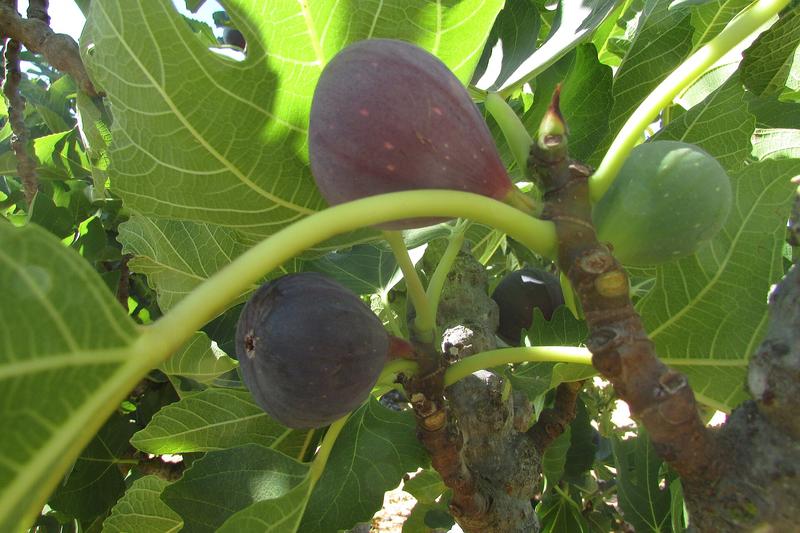
Quick facts
- Watering
- Weekly when fruiting, less when established
- Sunlight
- Full sun
- Soil
- Well-drained, moderately fertile loam
- Humans
- Toxic
- Cats
- Toxic
- Dogs
- Toxic
- Height
- 300–500 cm
- Spread
- 300–400 cm
- Spacing
- 400–500 cm apart
About Fig
The fig is a deciduous shrub or small tree with distinctive lobed leaves and sweet, teardrop-shaped fruits that ripen in late summer. Native to the Mediterranean and western Asia, figs have been cultivated in Britain since Roman times and thrive particularly well in sheltered urban gardens and against warm walls. UK gardeners prize figs for their architectural foliage, reliable cropping in warmer regions, and the unmatched flavour of sun-ripened fruit picked fresh from the tree. With careful siting and root restriction, figs can produce abundant harvests even in cooler British climates.
UK fact: Figs were grown in the gardens of Henry VIII at Hampton Court Palace, where descendants of the original 1525 planting still fruit today, making them among the oldest cultivated fruit trees in Britain.
Watering Fig
Young figs benefit from consistent watering to establish, but mature specimens grown with restricted roots need careful management. Water weekly during the growing season, increasing to twice weekly during hot spells when fruits are swelling. Reduce watering in late summer to help ripen fruit and harden growth before winter. Container-grown figs require more frequent watering, potentially daily in hot weather, as their restricted root systems dry out quickly.
Sunlight requirements
Position figs in the sunniest, most sheltered spot available, ideally against a south or south-west facing wall that radiates heat. In cooler regions, wall training is essential to provide the warmth needed for fruit ripening. Figs grown in shade will produce abundant foliage but rarely set or ripen fruit in British conditions.
Soil and feeding
Grow figs in well-drained soil with moderate fertility; overly rich soil encourages leafy growth at the expense of fruit. Root restriction is crucial for successful fruiting in the UK—plant in a lined pit (60cm cube) or large container to limit root spread. The ideal pH is slightly alkaline to neutral (6.5-7.5), though figs tolerate a range of soil types. Add grit or sharp sand to heavy clay soils to improve drainage, as waterlogged roots can lead to dieback.
Apply a high-potash liquid feed fortnightly from late spring through summer once fruits begin to swell. Avoid nitrogen-rich fertilisers which promote soft, sappy growth that won't ripen properly and is vulnerable to frost damage. Container-grown figs benefit from a slow-release balanced fertiliser in spring, supplemented with liquid potash feeds during fruiting.
Pruning Fig
Prune established figs in late spring or early summer when the tree is in full leaf to minimise sap bleeding. Remove any frost-damaged shoots, dead or crossing branches, and thin overcrowded growth to allow light and air into the canopy. Pinch out growing tips in early summer to encourage embryonic figs to develop. In late autumn, remove any large, unripened figs (which won't survive winter) but leave the tiny pea-sized embryo figs near shoot tips, as these will develop into next year's crop.
Propagating Fig
The easiest propagation method is semi-ripe cuttings taken in July or August, which root reliably with minimal equipment. Hardwood cuttings taken in late autumn also succeed well, though they take longer to establish. Layering is another reliable option for low-growing branches. Figs grown from cuttings will fruit within 2-3 years and remain true to the parent variety, unlike seed-grown plants which are variable and slow to crop.
Common problems
Figs in the UK are relatively trouble-free but can suffer from coral spot fungus on dead wood, which appears as pink-orange pustules and should be pruned out promptly. Birds, particularly pigeons and starlings, can damage ripening fruit; netting may be necessary to protect crops. Scale insects occasionally infest stems and leaf undersides, appearing as brown bumps; treat with horticultural soap or biological controls. Poor fruiting is the most common complaint, usually caused by insufficient sun, overly rich soil, or unrestricted roots rather than pests or disease.
Spot a problem with your plant? Photograph the affected area using the Loam app and it will suggest the most likely cause and treatment.
Safety
- Humans
-
Toxic
Fig sap contains irritant compounds that can cause skin sensitivity and phytophotodermatitis, resulting in blisters and burns when exposed to sunlight. Wear gloves when pruning.
- Cats
-
Toxic
All parts of the fig plant are toxic to cats, causing oral irritation, drooling, vomiting and skin irritation from contact with sap.
- Dogs
-
Toxic
Figs are toxic to dogs, with leaves and sap causing vomiting, diarrhoea, drooling and skin irritation. Keep dogs away from fallen leaves and fruit.
Toxicity information is for general guidance only. If a person or pet has been exposed to this plant and you are concerned, seek advice from a medical professional or vet.
Seasonal care calendar
Monthly care guide for Fig in the UK, based on average conditions.
| Month | Care tasks |
|---|---|
| January | Check tree ties and stakes. Protect container-grown figs from severe frost by moving under cover or wrapping pots with bubble wrap. |
| February | Apply a mulch of well-rotted compost around the base, keeping it clear of the trunk. Check for frost damage to shoots. |
| March | Begin watering container-grown figs as growth resumes. Remove any frost-damaged shoots back to healthy wood. |
| April | Apply slow-release fertiliser to container-grown specimens. Tie in new growth on wall-trained figs as it develops. |
| May | Increase watering frequency as temperatures rise. Begin fortnightly liquid feeds with high-potash fertiliser once embryonic fruits appear. |
| June | Pinch out growing tips to encourage fruit development. Water regularly, especially during dry spells. Prune to shape if needed. |
| July | Continue regular watering and feeding. Take semi-ripe cuttings for propagation. Thin overcrowded growth to improve air circulation. |
| August | Harvest ripe figs as they soften and develop a slight split at the base. Water daily in hot weather. Net against birds if necessary. |
| September | Continue harvesting late-ripening varieties. Reduce watering to help ripen remaining fruit and harden growth for winter. |
| October | Remove large unripened figs but leave tiny embryo figs near shoot tips for next year's crop. Reduce watering further. |
| November | Take hardwood cuttings if desired. Clear fallen leaves to reduce overwintering pests. Protect young trees with fleece in cold areas. |
| December | Ensure container-grown figs are protected from hard frost. Check tree supports and ties. Minimal watering for dormant plants. |
Frequently asked questions
- How do I prune a fig tree in the UK?
- Prune figs in early spring before growth starts and in summer. Remove dead, damaged or crossing branches, and thin overcrowded growth to allow light and air circulation. In June, pinch out growing tips of new shoots to 5-6 leaves to encourage fruiting. Avoid heavy pruning as figs fruit on previous year's wood. Remove any large unripened fruits in autumn as these won't survive winter.
- Why are my fig tree leaves turning yellow?
- Yellowing fig leaves can indicate several issues: overwatering or poor drainage, nutrient deficiency (especially nitrogen or iron), root restriction becoming too severe, or spider mite infestation. Check soil moisture levels and drainage first. The Loam app can help diagnose the specific cause by analysing photos of your plant and tracking its care history to provide personalised advice.
- How do I propagate a fig tree from cuttings?
- Take hardwood cuttings in late autumn or winter from healthy, pencil-thick stems about 20-30cm long. Remove all but the top two leaves, dip the base in rooting hormone, and insert into pots of gritty compost with at least two buds below the surface. Keep in a cold frame or sheltered spot. Cuttings root readily and should be ready to pot on by the following autumn.
Got a question about growing Fig that isn't covered here? Ask the Garden Advisor in the Loam app. It knows your saved plants and local conditions.
Related plants
This page was compiled with AI assistance and reviewed by our team. .