Grape Vine
Vitis vinifera
Fruit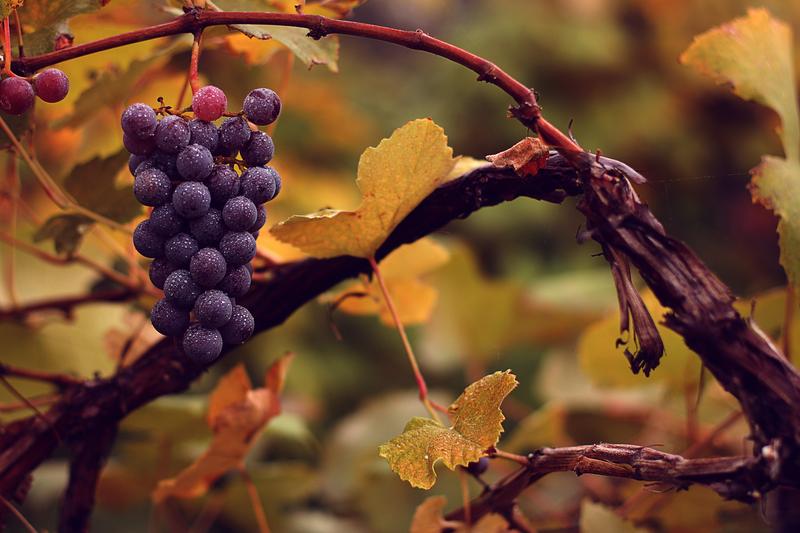
Quick facts
- Watering
- Weekly during growing season
- Sunlight
- Full sun
- Soil
- Well-drained, neutral to alkaline
- Humans
- Safe
- Cats
- Toxic
- Dogs
- Toxic
- Height
- 300–900 cm
- Spread
- 200–400 cm
- Spacing
- 120–150 cm apart
About Grape Vine
Grape Vine is a vigorous, deciduous climbing plant native to the Mediterranean and central Europe, prized for its sweet, edible fruit and attractive foliage. In the UK, it thrives when grown against warm, south-facing walls or in greenhouses, producing clusters of grapes in late summer and autumn. The lobed leaves turn beautiful shades of red and gold in autumn, adding ornamental value beyond the harvest. British gardeners have successfully cultivated grape vines for centuries, with many heritage varieties suited to our cooler climate.
UK fact: Grape vines have been grown in Britain since Roman times, and several UK vineyards now produce award-winning wines, particularly in southern England where warming temperatures have made commercial viticulture increasingly viable.
Watering Grape Vine
Established vines are relatively drought-tolerant but benefit from consistent moisture during active growth from April to July. Water deeply once weekly during dry spells, applying 10-15 litres per vine, ensuring the root zone is thoroughly moistened. Reduce watering from late summer onwards as fruit ripens to prevent splitting and improve flavour concentration. Avoid overhead watering to minimise fungal disease risk, instead watering at the base of the plant.
Sunlight requirements
Position against a south or south-west facing wall for maximum warmth and sun exposure in the UK climate. In cooler regions, greenhouse cultivation significantly improves fruit quality and ripening. Avoid shaded positions, as insufficient light results in poor fruit set and increased disease susceptibility.
Soil and feeding
Plant in well-drained soil with a pH between 6.5 and 7.5, ideally on a slight slope to prevent waterlogging. Vines tolerate poor to moderately fertile soil and actually produce better quality fruit when not over-fed. Heavy clay soils should be improved with grit and organic matter to enhance drainage, as waterlogged roots are prone to rot. Chalky soils are particularly suitable, reflecting the vine's Mediterranean origins.
Apply a balanced general fertiliser in early spring as growth begins, followed by a high-potash tomato feed every fortnight from flowering until fruit begins to ripen. Avoid nitrogen-rich feeds after mid-summer as these promote soft growth susceptible to frost damage and reduce fruit quality.
Pruning Grape Vine
Winter pruning (December to January) establishes the main framework, cutting back the previous season's growth to two or three buds. Summer pruning in June and July is essential, pinching back new shoots to five leaves beyond each flower truss to concentrate energy into fruit development and improve air circulation. Remove any shoots not carrying fruit entirely, and thin bunches if overcrowded to improve grape size and reduce disease risk.
Propagating Grape Vine
Take hardwood cuttings in December or January from healthy, pencil-thick stems of the current season's growth. Cuttings should be 20-30cm long with at least three buds, taken from well-ripened wood. Root in pots of gritty compost or directly into prepared ground outdoors in mild areas. Layering is also successful, pegging down a low-growing shoot in spring and severing once rooted the following year.
Common problems
Powdery mildew is the most common problem in the UK, appearing as white powder on leaves and fruit, particularly in humid conditions with poor air circulation. Downy mildew can also affect vines in wet summers, causing yellow patches on leaves. Grey mould (botrytis) may develop on ripening fruit during damp autumns. Scale insects and vine weevil occasionally trouble container-grown plants, whilst birds and wasps can damage ripening fruit, necessitating netting protection.
Spot a problem with your plant? Photograph the affected area using the Loam app and it will suggest the most likely cause and treatment.
Safety
- Humans
- Safe
- Cats
-
Toxic
Grapes and raisins are toxic to cats, potentially causing kidney failure. Keep fruit out of reach and monitor for symptoms if ingestion occurs.
- Dogs
-
Toxic
Grapes and raisins are highly toxic to dogs, potentially causing severe kidney failure even in small quantities. Seek immediate veterinary attention if consumed.
Toxicity information is for general guidance only. If a pet has been exposed to this plant and you are concerned, seek advice from a vet.
Seasonal care calendar
Monthly care guide for Grape Vine in the UK, based on average conditions.
| Month | Care tasks |
|---|---|
| January | Complete winter pruning before sap rises, cutting back last season's growth to two or three buds. Apply organic mulch around the base. |
| February | Finish any remaining winter pruning. Check ties and supports are secure before new growth begins. Take hardwood cuttings if not done in January. |
| March | Apply balanced fertiliser as buds begin to swell. Check for signs of pests emerging from dormancy. Ensure supports are ready for new growth. |
| April | Tie in new shoots as they develop, spacing them evenly. Begin regular watering if conditions are dry. Watch for late frost damage on emerging growth. |
| May | Continue tying in new growth. Flowers will appear this month. Begin fortnightly feeding with high-potash fertiliser. Monitor for powdery mildew. |
| June | Begin summer pruning, pinching back shoots to five leaves beyond flower trusses. Thin bunches if overcrowded. Water regularly during dry spells. |
| July | Continue summer pruning and watering. Remove leaves shading developing fruit to improve ripening and air circulation. Feed fortnightly with tomato fertiliser. |
| August | Reduce watering as fruit begins to ripen to concentrate sugars. Stop feeding. Net fruit to protect from birds and wasps. Remove any diseased fruit. |
| September | Harvest grapes when fully ripe, testing for sweetness. Continue protecting from birds and wasps. Water sparingly to prevent fruit splitting. |
| October | Complete harvesting. Allow leaves to fall naturally to feed the roots. Clear away fallen leaves to reduce disease carryover. Reduce watering. |
| November | Vines are now dormant. Clear away remaining debris. Check supports and ties, making repairs as needed before winter weather arrives. |
| December | Begin winter pruning once leaves have fallen and vine is fully dormant. Take hardwood cuttings for propagation. Apply winter wash if scale insects present. |
Frequently asked questions
- How do I prune my grape vine in winter?
- Winter-prune in December or January when fully dormant, cutting back last season's growth to two or three buds. This encourages productive fruiting wood. Summer-prune in June and July, pinching back new shoots to five leaves beyond each flower truss to improve fruiting and air circulation. Correct pruning is essential for good crops.
- What's wrong with my grape vine leaves?
- Grape vines can suffer from various leaf problems including powdery mildew (white powder), downy mildew (yellow patches), or nutrient deficiencies. The Loam app can help you identify the specific issue from a photo and provide tailored treatment advice. Common causes include poor air circulation, overhead watering, or fungal diseases that need prompt attention.
- What type of soil do grape vines need?
- Grape vines prefer well-drained, neutral to slightly alkaline soil (pH 6.5-7.5) with moderate fertility. They tolerate chalky soils well but struggle in heavy clay or waterlogged conditions. Add grit or sharp sand to improve drainage if needed. Avoid over-feeding—too much nitrogen produces leafy growth at the expense of fruit.
Got a question about growing Grape Vine that isn't covered here? Ask the Garden Advisor in the Loam app. It knows your saved plants and local conditions.
Related plants
This page was compiled with AI assistance and reviewed by our team. .