Kiwi
Actinidia deliciosa
Fruit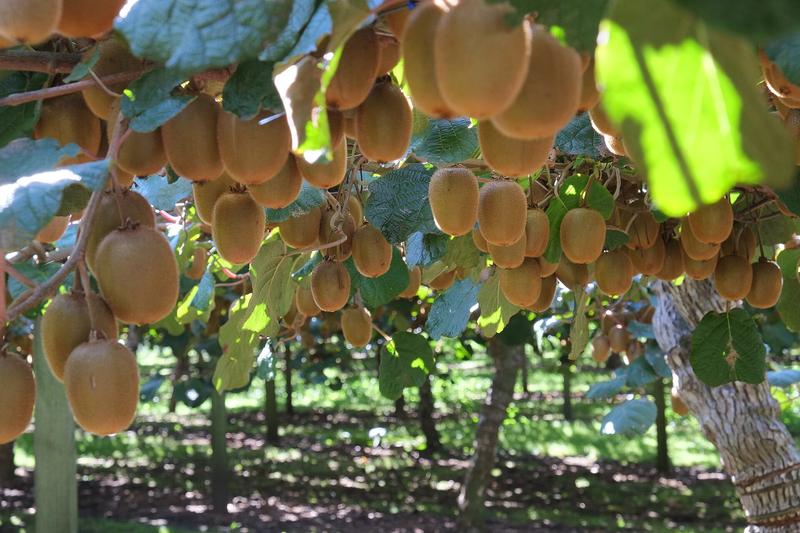
Quick facts
- Watering
- Weekly during growing season
- Sunlight
- Full sun
- Soil
- Well-drained, fertile, slightly acidic
- Humans
- Safe
- Cats
- Safe
- Dogs
- Safe
- Height
- 600–900 cm
- Spread
- 300–500 cm
- Spacing
- 300–400 cm apart
About Kiwi
Kiwi is a vigorous, deciduous climbing vine native to China, prized for its fuzzy brown fruits containing bright green, tangy flesh. In the UK, it's grown as an ornamental and productive climber, requiring both male and female plants for fruiting. The large, heart-shaped leaves and twining habit make it an attractive feature on pergolas, walls, and sturdy supports. With proper care and a warm, sheltered position, British gardeners can successfully harvest home-grown kiwis in favourable years.
UK fact: Kiwi vines can survive British winters in most regions but require a long, warm growing season to ripen fruit reliably, making south-facing walls in southern England the most successful locations for cropping.
Watering Kiwi
Water deeply once or twice weekly from spring through to harvest, ensuring the root zone remains moist but not waterlogged. During hot, dry spells in summer, increase watering frequency as kiwi vines are prone to drought stress, which can cause leaf scorch and fruit drop. Reduce watering significantly in autumn and winter when the plant is dormant. Mulching around the base helps retain moisture and regulate soil temperature throughout the year.
Sunlight requirements
Plant against a south or south-west facing wall to maximise warmth and light exposure throughout the British growing season. In cooler northern regions, a sheltered, sun-drenched position is essential for fruit development. Avoid shaded or north-facing sites, as insufficient sunlight will result in poor flowering and fruit that fails to ripen before autumn frosts.
Soil and feeding
Plant in fertile, humus-rich soil that drains well but retains moisture during dry periods. The ideal pH range is 5.5 to 7.0, with slightly acidic conditions preferred for optimal nutrient uptake. Improve heavy clay soils with organic matter and grit to enhance drainage, as waterlogged roots are prone to rot. On sandy soils, incorporate plenty of compost or well-rotted manure to improve water retention and fertility.
Apply a general-purpose fertiliser in early spring as growth begins, followed by monthly feeds throughout the growing season until late summer. A potassium-rich tomato feed from flowering onwards encourages fruit development and ripening. Avoid high-nitrogen feeds after midsummer, as this promotes soft growth vulnerable to frost damage.
Pruning Kiwi
Train young vines to a strong framework of permanent branches along wires or supports during the first few years. In winter (December to February), prune back the previous season's fruited shoots to two or three buds from the main framework. Summer pruning in June and July involves shortening vigorous new growth to five or six leaves beyond the last fruit to concentrate energy into ripening. Remove any tangled, damaged, or unproductive wood to maintain an open structure and good air circulation.
Propagating Kiwi
Semi-ripe cuttings taken in July or August root readily with bottom heat and humidity. Layering is a reliable method where a low-growing stem is pegged into the soil and allowed to root before severing from the parent plant. Grafting is used commercially but is more complex for home gardeners. Always propagate from known female and male plants to ensure you have both sexes for pollination.
Common problems
Kiwi vines are relatively pest-free in the UK but can suffer from scale insects and vine weevil, particularly in container-grown specimens. Phytophthora root rot can occur in poorly drained soils, causing wilting and dieback. Late spring frosts can damage emerging shoots and flowers, significantly reducing fruit set. Inadequate pollination due to lack of male plants or poor weather during flowering often results in poor fruiting.
Spot a problem with your plant? Photograph the affected area using the Loam app and it will suggest the most likely cause and treatment.
Safety
- Humans
- Safe
- Cats
- Safe
- Dogs
- Safe
Toxicity information is for general guidance only.
Seasonal care calendar
Monthly care guide for Kiwi in the UK, based on average conditions.
| Month | Care tasks |
|---|---|
| January | Vines are fully dormant. Check supports and ties are secure before winter storms. |
| February | Complete winter pruning before buds begin to swell, removing fruited wood and thinning congested growth. |
| March | Apply a balanced fertiliser around the base as growth begins. Mulch with well-rotted compost. |
| April | New growth emerges. Protect young shoots from late frosts with fleece if necessary. Begin regular watering. |
| May | Flowering begins. Ensure both male and female plants are present for pollination. Continue watering as growth accelerates. |
| June | Begin summer pruning, shortening vigorous shoots to five or six leaves beyond developing fruits. Feed with potassium-rich fertiliser. |
| July | Continue summer pruning to control vigour. Water regularly during dry spells. Take semi-ripe cuttings for propagation. |
| August | Fruits continue to swell. Maintain consistent watering and feeding. Thin fruits if clusters are overcrowded. |
| September | Reduce feeding. Fruits begin to ripen in warm, sheltered locations. Continue watering until harvest. |
| October | Harvest fruits before the first frosts, even if not fully ripe—they will ripen indoors. Reduce watering as leaves begin to fall. |
| November | Vines enter dormancy. Clear fallen leaves and debris. Cease watering once leaves have dropped. |
| December | Begin winter pruning if weather permits. Plan framework training for young vines. |
Frequently asked questions
- How do I prune kiwi vines in summer?
- Summer pruning in June-July controls vigorous growth by shortening new shoots to 5-7 leaves beyond the last fruit. This concentrates the plant's energy into fruit development and ripening rather than excessive foliage. Pinch out completely unproductive shoots and thin crowded growth to improve air circulation and light penetration to the fruits.
- Why are my kiwi leaves turning yellow?
- Yellowing kiwi leaves can indicate several issues including nutrient deficiencies (particularly iron or nitrogen), waterlogging, root problems, or pest damage. Check soil drainage and moisture levels first. The Loam app can help diagnose the specific cause by analysing photos of affected leaves and providing personalised care recommendations based on your growing conditions.
- What soil conditions do kiwi vines prefer?
- Kiwi vines thrive in well-drained, slightly acidic to neutral soil (pH 5.5-7.0) enriched with organic matter. They need consistent moisture during the growing season but cannot tolerate waterlogged conditions, which can cause root rot. Add compost or well-rotted manure annually in spring, and mulch to retain moisture whilst keeping the base of the stem clear.
Got a question about growing Kiwi that isn't covered here? Ask the Garden Advisor in the Loam app. It knows your saved plants and local conditions.
Related plants
This page was compiled with AI assistance and reviewed by our team. .