Lemon
Citrus limon
Fruit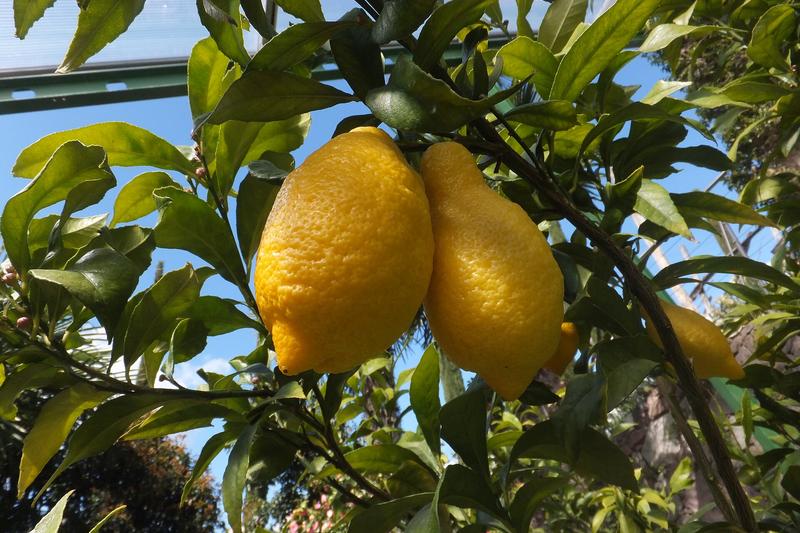
Quick facts
- Watering
- Weekly, more when fruiting
- Sunlight
- Full sun
- Soil
- Well-drained, slightly acidic compost
- Humans
- Safe
- Cats
- Toxic
- Dogs
- Toxic
- Height
- 150–300 cm
- Spread
- 100–200 cm
- Spacing
- 150–200 cm apart
- RHS recognition
- Award of Garden Merit
About Lemon
Lemon is an evergreen citrus tree native to Asia, prized for its fragrant white flowers and bright yellow, acidic fruit. In the UK, lemons are typically grown in containers that can be moved indoors during winter, as they are frost-tender. British gardeners value lemons for their ornamental appeal, aromatic foliage, and the satisfaction of harvesting home-grown fruit. Compact varieties such as 'Meyer' are particularly popular for conservatories and sunny patios.
UK fact: The RHS Award of Garden Merit-winning 'Meyer' lemon has been successfully grown in British conservatories and greenhouses since Victorian times, when citrus houses were a status symbol in grand estates.
Watering Lemon
Lemons are sensitive to both overwatering and drought, so consistent moisture is essential. During active growth (April to September), water thoroughly when the surface feels dry, typically once or twice weekly depending on temperature. Reduce watering in winter when growth slows, allowing the compost to dry slightly more between waterings. Always use tepid water and ensure containers have excellent drainage to prevent root rot.
Sunlight requirements
Position container-grown lemons in the sunniest spot available, ideally a south-facing patio, conservatory, or greenhouse. In the UK, insufficient light is the most common cause of poor fruiting, so maximise exposure during summer months. During winter, place plants in the brightest position indoors, such as near a south-facing window.
Soil and feeding
Lemons prefer a slightly acidic growing medium with a pH of 5.5–6.5, making ericaceous or citrus-specific compost ideal. Standard multipurpose compost is too alkaline and poorly draining for long-term container culture. Mix in up to 20% horticultural grit or perlite to improve drainage and aeration. Repot every 2–3 years in spring, moving up one pot size until the plant reaches its desired dimensions.
Citrus plants are heavy feeders and require regular nutrition during the growing season. Apply a liquid citrus feed at half-strength weekly, or use a controlled-release citrus fertiliser in spring. Yellowing leaves (chlorosis) often indicate iron or magnesium deficiency, common in hard-water areas; use rainwater where possible or apply chelated iron supplements.
Pruning Lemon
Lemons require minimal pruning but benefit from light shaping to encourage bushy growth and improve air circulation. Remove any dead, damaged, or diseased wood in February or March before new growth begins. Pinch out the tips of young shoots to promote branching. Avoid heavy pruning, as lemons fruit on the previous season's wood. Remove any vigorous upright shoots (water sprouts) and thin congested growth to allow light into the canopy.
Propagating Lemon
Semi-ripe cuttings taken in July or August offer the most reliable propagation method for home gardeners. Cuttings should be 10–15 cm long with a heel of older wood. Rooting can take 6–8 weeks in a heated propagator. Alternatively, lemons can be grown from seed, though seedlings may not come true to type and can take 5–7 years to fruit.
Common problems
Scale insects and red spider mite are the most common pests on indoor lemons, causing sticky honeydew and leaf discolouration; treat with biological controls or horticultural soap. Leaf drop often results from environmental stress such as temperature fluctuations, draughts, or irregular watering when moving plants between outdoors and indoors. Sooty mould develops on honeydew secreted by sap-sucking pests and should be wiped away once the pest problem is resolved. Chlorosis (yellowing leaves with green veins) indicates nutrient deficiency, particularly iron or magnesium, common in alkaline compost or when watering with hard tap water.
Spot a problem with your plant? Photograph the affected area using the Loam app and it will suggest the most likely cause and treatment.
Safety
- Humans
- Safe
- Cats
-
Toxic
Lemon plant parts contain psoralens and essential oils that can cause vomiting, diarrhoea, and dermatitis in cats if ingested.
- Dogs
-
Toxic
Lemon plant parts contain psoralens and essential oils that can cause vomiting, diarrhoea, and depression in dogs if ingested.
Toxicity information is for general guidance only. If a pet has been exposed to this plant and you are concerned, seek advice from a vet.
Seasonal care calendar
Monthly care guide for Lemon in the UK, based on average conditions.
| Month | Care tasks |
|---|---|
| January | Keep indoors in a bright, frost-free location at 10–15°C. Water sparingly, allowing compost to dry slightly between waterings. |
| February | Prune lightly to shape and remove dead or crossing branches. Check for scale insects and treat if necessary. |
| March | Begin weekly feeding with citrus fertiliser as growth resumes. Repot if rootbound, using fresh citrus compost. |
| April | Increase watering as temperatures rise. Move outdoors after all frost risk has passed, acclimatising gradually over 7–10 days. |
| May | Position in full sun outdoors. Continue weekly feeding and regular watering. Fragrant flowers may appear. |
| June | Water regularly, especially during dry spells. Feed weekly. Monitor for pests such as aphids and red spider mite. |
| July | Take semi-ripe cuttings for propagation. Maintain consistent watering and feeding. Fruit may begin to develop. |
| August | Continue regular watering and feeding. Ensure adequate moisture during hot weather to prevent fruit drop. |
| September | Reduce feeding frequency to fortnightly. Prepare to move plants indoors before first frost, typically late September. |
| October | Move indoors to a bright, frost-free location. Reduce watering as growth slows. Stop feeding until spring. |
| November | Maintain minimum temperature of 10°C. Water sparingly. Fruit may ripen indoors over winter months. |
| December | Keep in bright, cool conditions. Water only when compost surface feels dry. Harvest ripe fruit as needed. |
Frequently asked questions
- When should I prune my lemon tree?
- Prune lemon trees in late winter or early spring (February to March) before new growth begins. Remove dead, damaged, or crossing branches, and trim to maintain shape and size for container growing. Light pruning can be done after fruiting to remove spent wood. Always use clean, sharp secateurs and avoid heavy pruning, as lemons fruit on the previous season's growth.
- How do I know if my lemon tree has a pest or disease problem?
- Common signs include sticky leaves or sooty mould (indicating scale insects or aphids), fine webbing (red spider mite), white cottony patches (mealybugs), or brown spots on leaves (fungal disease). Check the undersides of leaves regularly. If you're unsure what's affecting your plant, the Loam app can help diagnose problems from photos and provide tailored treatment advice for your specific lemon tree.
- What type of compost should I use for a lemon tree?
- Use a free-draining, slightly acidic compost with a pH of 5.5–6.5. John Innes No. 2 or No. 3 mixed with perlite or horticultural grit (3:1 ratio) works well, or use specialist ericaceous citrus compost. Avoid multipurpose compost, which retains too much moisture. Repot every 2–3 years in spring, moving up one pot size, and top-dress annually with fresh compost if the tree is in its final container size.
Got a question about growing Lemon that isn't covered here? Ask the Garden Advisor in the Loam app. It knows your saved plants and local conditions.
Related plants
This page was compiled with AI assistance and reviewed by our team. .