Everlasting Sweet Pea
Lathyrus latifolius
Climbers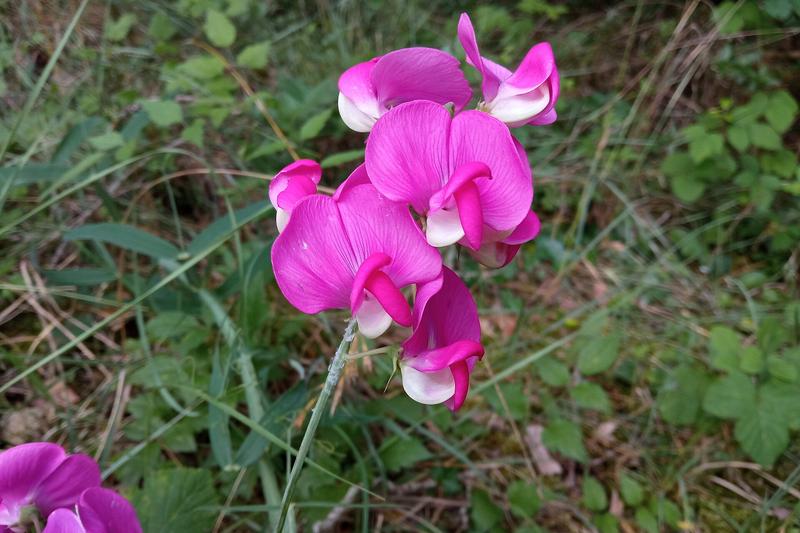
Quick facts
- Watering
- Weekly during establishment, then minimal
- Sunlight
- Full sun to partial shade
- Soil
- Well-drained, moderately fertile
- Humans
- Toxic
- Cats
- Toxic
- Dogs
- Toxic
- Height
- 180–300 cm
- Spread
- 90–150 cm
- Spacing
- 90–120 cm apart
About Everlasting Sweet Pea
Everlasting Sweet Pea is a vigorous herbaceous perennial climber native to Europe, producing masses of magenta-pink, white, or bicoloured pea-like flowers from June to September. Unlike its annual cousin, this hardy climber returns year after year, scrambling to 2–3 metres with winged stems and grey-green foliage. UK gardeners prize it for covering fences, walls, and pergolas with minimal fuss, offering long-lasting colour without the need for annual sowing. Though lacking the fragrance of annual sweet peas, its reliability and drought tolerance make it a cottage garden favourite across Britain.
UK fact: Everlasting Sweet Pea has naturalised widely across the UK railway embankments and hedgerows since Victorian times, when it was introduced as a garden ornamental and subsequently escaped cultivation to become a familiar sight along Britain's transport corridors.
Watering Everlasting Sweet Pea
Water newly planted specimens weekly during their first growing season to establish a deep root system. Once established, Everlasting Sweet Pea is remarkably drought-tolerant and rarely requires watering in typical UK conditions, relying on natural rainfall. During prolonged dry spells in summer, an occasional deep soak every fortnight will encourage continued flowering. Avoid overwatering, as this vigorous climber thrives on benign neglect once settled.
Sunlight requirements
Everlasting Sweet Pea flowers most prolifically in full sun, making south or west-facing positions ideal in UK gardens. It tolerates partial shade but may produce fewer blooms and become leggier in shadier spots. In hotter southern counties, some afternoon shade can help prolong flowering during particularly dry summers.
Soil and feeding
Everlasting Sweet Pea adapts to most soil types but performs best in well-drained, moderately fertile ground with a neutral to slightly alkaline pH of 6.5–7.5. It tolerates poor, dry soils remarkably well, making it suitable for challenging spots where other climbers struggle. Heavy clay soils should be improved with grit and organic matter to prevent waterlogging in winter. Avoid overly rich soil, which encourages excessive foliage at the expense of flowers.
Apply a balanced general-purpose fertiliser in early spring as new growth emerges, or mulch with well-rotted compost. A high-potash feed such as tomato fertiliser in late May can boost flowering, though this vigorous climber rarely needs heavy feeding and performs well without it.
Pruning Everlasting Sweet Pea
Cut back all growth to ground level in late autumn or early spring before new shoots emerge, as Everlasting Sweet Pea dies back naturally over winter. Deadhead spent flowers regularly throughout summer to prolong blooming and prevent self-seeding, which can be prolific. Thin overcrowded stems in spring if the plant becomes too dense, and remove any weak or damaged growth to maintain vigour.
Propagating Everlasting Sweet Pea
Propagate by seed sown in spring after scarifying or soaking overnight to improve germination, planting 2cm deep in pots or directly outdoors after the last frosts. Division of established clumps in early spring is the quickest method, carefully separating sections with roots and replanting immediately. Basal cuttings taken in spring from new shoots can also be rooted in gritty compost, though seed and division are more reliable for home gardeners.
Common problems
Everlasting Sweet Pea is generally trouble-free but can suffer from powdery mildew in dry conditions or overcrowded plantings, appearing as white patches on leaves. Aphids occasionally colonise young shoots and flower buds in late spring, though natural predators usually keep them in check. Slugs and snails may damage emerging shoots in early spring, so protect new growth with organic pellets or barriers. Self-seeding can become invasive if not deadheaded, with seedlings appearing throughout borders and neighbouring gardens.
Spot a problem with your plant? Photograph the affected area using the Loam app and it will suggest the most likely cause and treatment.
Safety
- Humans
-
Toxic
All parts contain toxic amino acids that can cause lathyrism if consumed in quantity, causing neurological damage. Seeds are particularly toxic.
- Cats
-
Toxic
Contains toxic amino acids that can cause tremors, weakness, and lethargy if ingested. Keep cats away from all plant parts.
- Dogs
-
Toxic
All parts toxic, particularly seeds. Ingestion can cause tremors, weakness, seizures, and lethargy. Seek veterinary attention if consumed.
Toxicity information is for general guidance only. If a person or pet has been exposed to this plant and you are concerned, seek advice from a medical professional or vet.
Seasonal care calendar
Monthly care guide for Everlasting Sweet Pea in the UK, based on average conditions.
| Month | Care tasks |
|---|---|
| January | No action needed; plant is fully dormant. |
| February | Cut back old stems to ground level if not done in autumn. |
| March | Apply balanced fertiliser as new shoots emerge. Sow seeds indoors or divide established clumps. |
| April | Provide support for emerging stems. Protect young growth from slugs. Plant out container-grown specimens. |
| May | Water newly planted specimens weekly. Apply high-potash feed to encourage flowering. Direct sow seeds outdoors. |
| June | Begin deadheading spent flowers regularly. Water during dry spells to prolong blooming. |
| July | Continue deadheading to maintain flowering. Monitor for aphids and powdery mildew. |
| August | Deadhead regularly. Collect seed pods if propagation desired, otherwise remove to prevent self-seeding. |
| September | Flowering continues; maintain deadheading. Collect ripe seed pods before they split. |
| October | Flowering finishes. Cut back stems to ground level or leave for wildlife and tidy in spring. |
| November | Complete autumn cutback if preferred. Mulch crown with compost for winter protection. |
| December | No action needed; plant is dormant. |
Frequently asked questions
- Why doesn't my Everlasting Sweet Pea smell like annual sweet peas?
- Everlasting Sweet Pea (Lathyrus latifolius) naturally lacks the fragrance of annual sweet peas (Lathyrus odoratus). This is a characteristic of the species, not a cultivation problem. While it doesn't offer scent, it compensates with greater hardiness, drought tolerance, and perennial growth that returns reliably year after year without reseeding.
- How can I tell if my Everlasting Sweet Pea needs more water or fertiliser?
- Yellowing lower leaves and reduced flowering may indicate nutrient deficiency or drought stress, though this vigorous climber rarely struggles. The Loam app can help you track watering schedules and set feeding reminders tailored to your plant's specific needs and your local conditions, taking the guesswork out of care.
- Can I grow Everlasting Sweet Pea in a container?
- Yes, though it performs better in the ground due to its vigorous root system. Use a large container (minimum 45cm diameter), provide sturdy support, and water more frequently than ground-planted specimens. Container-grown plants may not reach full height and will require annual repotting or top-dressing to maintain vigour.
Got a question about growing Everlasting Sweet Pea that isn't covered here? Ask the Garden Advisor in the Loam app. It knows your saved plants and local conditions.
Related plants
This page was compiled with AI assistance and reviewed by our team. .