Hops
Humulus lupulus
Climbers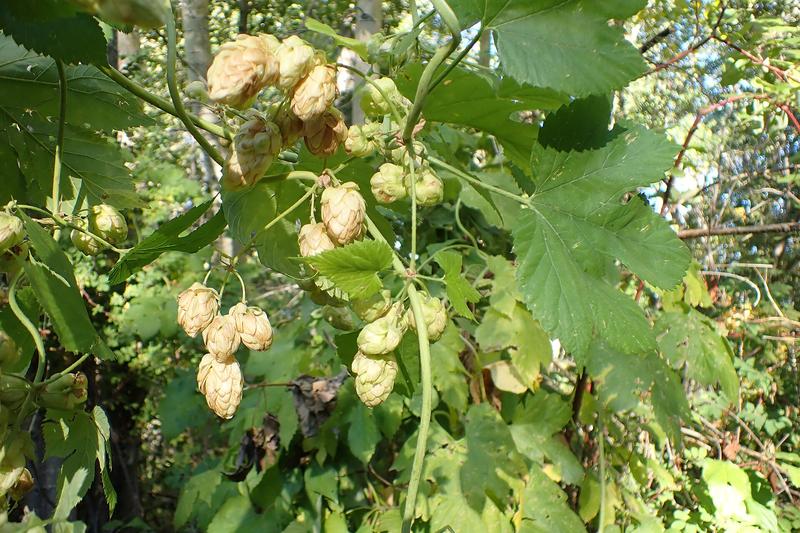
Quick facts
- Watering
- Weekly during growing season
- Sunlight
- Full sun to partial shade
- Soil
- Rich, moisture-retentive, well-drained loam
- Humans
- Safe
- Cats
- Toxic
- Dogs
- Toxic
- Height
- 400–600 cm
- Spread
- 100–200 cm
- Spacing
- 100–150 cm apart
About Hops
Hops is a vigorous herbaceous perennial climber native to Europe, including Britain, renowned for its cone-like female flowers used in brewing beer. The plant produces rough, heart-shaped leaves and can climb 4–6 metres in a single season using clockwise-twining stems. UK gardeners grow hops for brewing, ornamental screening, and their attractive papery seed cones that appear in late summer. The plant dies back completely to ground level each winter, re-emerging with remarkable speed each spring.
UK fact: Hops have been cultivated commercially in Kent, Sussex, Herefordshire, and Worcestershire since the 16th century, with traditional hop gardens (called 'hop yards') still operating in the Weald of Kent, earning the county its nickname 'The Garden of England'.
Watering Hops
Hops require consistent moisture during their rapid spring and summer growth period, particularly from April to August when they're actively climbing and producing cones. Water deeply once or twice weekly during dry spells, providing approximately 20–30 litres per plant. Established plants have deep roots and show good drought tolerance, but inadequate watering during cone development in July and August will reduce yields. Reduce watering significantly after harvest in autumn as the plant begins to die back.
Sunlight requirements
Plant hops in a south or west-facing position for maximum sun exposure and the best cone yields. In the UK, they will tolerate light shade for part of the day, particularly in southern regions where afternoon shade can prevent scorching during hot summers. Avoid deep shade or north-facing walls, as this significantly reduces flowering and vigour.
Soil and feeding
Plant hops in rich, moisture-retentive loam enriched with well-rotted manure or garden compost, as they are heavy feeders requiring fertile conditions. The ideal pH is slightly acidic to neutral (6.0–7.5), typical of most UK garden soils. Ensure good drainage, as waterlogged conditions in winter can cause root rot, but the soil must retain enough moisture to support rapid summer growth. On heavy clay, improve drainage by incorporating grit and organic matter, or consider planting on a slight mound.
Apply a generous mulch of well-rotted manure or compost in early spring as growth begins, supplemented with a high-nitrogen general-purpose fertiliser to fuel the rapid climbing growth. Switch to a tomato fertiliser or other potassium-rich feed in June and July to promote abundant cone formation and improve flavour compounds. Hops are hungry plants and benefit from fortnightly liquid feeds during the peak growing season.
Pruning Hops
Hops die back naturally to ground level each winter, so pruning is straightforward. Once the foliage has yellowed and withered in November or December, cut all stems down to within 5–10 cm of the soil surface and clear away the debris to reduce overwintering pests. In spring, thin emerging shoots to 3–6 of the strongest stems per plant in April, removing weaker growth to concentrate energy into vigorous climbing bines. Train selected shoots clockwise around supports as they grow, as they naturally twine in this direction.
Propagating Hops
The most reliable method for UK gardeners is division of the underground crown in March, separating rooted sections with at least one growing bud. Softwood cuttings taken from young shoots in April or May also root readily in a free-draining compost. Hops can be grown from seed, but named varieties do not come true and female plants (which produce cones) cannot be guaranteed. Commercial growers typically propagate from root cuttings or crown divisions to maintain variety characteristics and ensure female plants.
Common problems
Hops are susceptible to powdery mildew, particularly in humid conditions or where air circulation is poor; ensure good spacing and avoid overhead watering. Aphids, especially the damson-hop aphid, can colonise young shoots in spring, causing distorted growth and requiring early treatment with insecticidal soap or biological controls. Red spider mite can be problematic in hot, dry summers, causing bronzed foliage. Downy mildew (Pseudoperonospora humuli) occasionally affects plants in wet seasons, causing yellowing and stunted growth; remove affected material promptly and improve air circulation.
Spot a problem with your plant? Photograph the affected area using the Loam app and it will suggest the most likely cause and treatment.
Safety
- Humans
- Safe
- Cats
-
Toxic
Hops are toxic to cats, causing malignant hyperthermia with symptoms including restlessness, panting, elevated heart rate, and seizures. Keep cats away from plants and spent hops.
- Dogs
-
Toxic
Hops are highly toxic to dogs, particularly spent hops from brewing. Ingestion causes malignant hyperthermia, with symptoms including excessive panting, elevated temperature, seizures, and potentially death. Seek immediate veterinary attention if ingestion occurs.
Toxicity information is for general guidance only. If a pet has been exposed to this plant and you are concerned, seek advice from a vet.
Seasonal care calendar
Monthly care guide for Hops in the UK, based on average conditions.
| Month | Care tasks |
|---|---|
| January | No action needed. Plant remains dormant below ground. |
| February | Check support structures are secure and repair if necessary before spring growth begins. |
| March | Apply well-rotted manure mulch around the crown. Divide established plants if required. Watch for first shoots emerging. |
| April | Thin emerging shoots to 3–6 strongest stems per plant. Begin training shoots clockwise around supports. Apply nitrogen-rich fertiliser. |
| May | Continue training vigorous growth. Water regularly as growth accelerates. Watch for aphids on young shoots and treat promptly. |
| June | Switch to potassium-rich feeding as flowers begin to form. Ensure consistent watering during rapid growth. Monitor for powdery mildew. |
| July | Continue regular watering and feeding. Female cones begin to develop and swell. Check for red spider mite in hot weather. |
| August | Monitor cone development. Harvest cones when papery and aromatic, typically late in the month. Maintain watering until harvest. |
| September | Complete cone harvest. Reduce watering as growth slows and foliage begins to yellow naturally. |
| October | Allow foliage to die back naturally. Cease feeding and reduce watering significantly. |
| November | Cut all dead growth to ground level once fully withered. Clear away debris to reduce pest and disease carryover. |
| December | No action needed. Plant dormant underground. Plan any support structure improvements for next season. |
Frequently asked questions
- When should I prune hops in the UK?
- Prune hops twice yearly: in late winter or early March, cut all dead growth down to ground level and remove it to prevent disease. In late spring (May), thin the emerging shoots to 4–6 of the strongest stems per crown to encourage vigorous growth and better cone production. You can also trim lateral growth during summer to keep plants tidy and improve air circulation.
- Why are my hop leaves turning yellow?
- Yellowing hop leaves can indicate several issues: nutrient deficiency (particularly nitrogen or magnesium), overwatering or poor drainage, spider mite infestation, or downy mildew disease. Check the undersides of leaves for pests and ensure soil drains well. The Loam app can help diagnose the specific cause through photo identification and provide personalised treatment recommendations based on your growing conditions.
- How do I propagate hops from cuttings?
- Take softwood cuttings in late spring from healthy new shoots about 10–15cm long. Remove lower leaves, dip the cut end in rooting hormone, and plant in gritty compost. Keep moist and covered until rooted (3–4 weeks). Alternatively, divide established crowns in early spring by lifting the plant and separating rooted sections with a sharp spade, ensuring each division has several buds.
Got a question about growing Hops that isn't covered here? Ask the Garden Advisor in the Loam app. It knows your saved plants and local conditions.
Related plants
This page was compiled with AI assistance and reviewed by our team. .