Harebell
Campanula rotundifolia
Wildflowers and Natives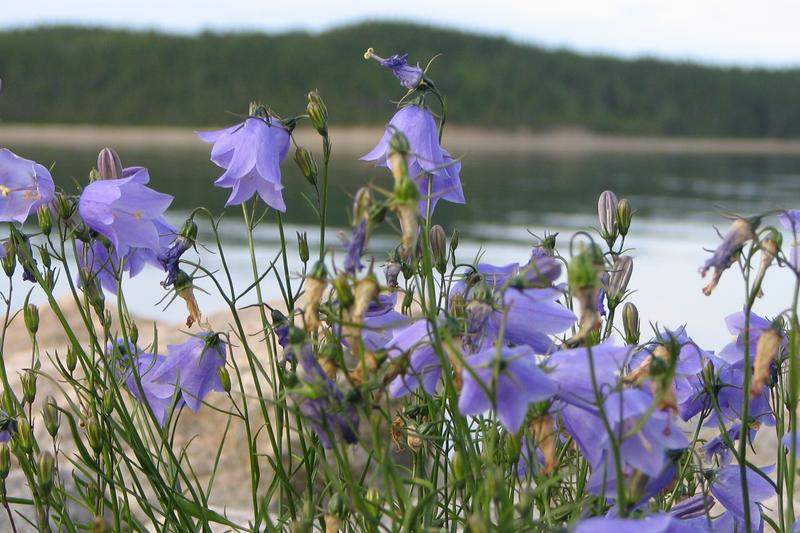
Quick facts
- Watering
- Minimal once established
- Sunlight
- Full sun to partial shade
- Soil
- Well-drained, neutral to alkaline
- Humans
- Safe
- Cats
- Safe
- Dogs
- Safe
- Height
- 15–40 cm
- Spread
- 20–30 cm
- Spacing
- 20–25 cm apart
About Harebell
Harebell is a delicate native British wildflower bearing nodding, bell-shaped blue flowers on slender stems from summer through to autumn. This charming perennial thrives in grasslands, meadows, and rocky places across the UK, particularly in upland areas and chalk downland. UK gardeners value it for wildlife-friendly planting schemes, cottage gardens, and naturalistic borders where its airy habit and long flowering season provide nectar for bees and butterflies. Despite its delicate appearance, harebell is remarkably hardy and drought-tolerant once established.
UK fact: Harebell is the true Scottish bluebell, celebrated in Scottish folklore and poetry, and should not be confused with the spring-flowering English bluebell (Hyacinthoides non-scripta) which is a completely different species.
Watering Harebell
Water newly planted harebells regularly during their first growing season to establish a deep root system. Once established, these drought-tolerant natives require minimal watering and actually prefer drier conditions, thriving in free-draining soils where many other perennials struggle. In typical UK rainfall, established plants need no supplementary watering except during prolonged summer droughts. Overwatering, particularly in winter, can lead to root rot.
Sunlight requirements
Harebell performs best in full sun but tolerates partial shade, particularly in southern UK gardens where afternoon shade prevents stress during hot summers. In northern and western regions, full sun positions are ideal for maximising flowering. Avoid deep shade under trees where plants become leggy and flower poorly.
Soil and feeding
Harebell thrives in well-drained, moderately fertile to poor soils with a neutral to alkaline pH (6.5-8.0), reflecting its natural habitat on chalk and limestone grasslands. It performs exceptionally well in sandy, gravelly, or chalky soils and tolerates dry, rocky conditions. Avoid heavy clay or waterlogged soils which cause root rot. If your soil is heavy, improve drainage by incorporating horticultural grit or grow harebells in raised beds or rockeries.
Harebell requires minimal feeding and actually performs better in nutrient-poor soils, which encourage compact growth and profuse flowering. Avoid fertilisers entirely in most situations, as rich soils produce lush foliage at the expense of flowers and reduce the plant's natural hardiness. If growing in containers, a single application of dilute liquid feed in early spring is sufficient.
Pruning Harebell
Deadhead spent flowers regularly throughout the summer to prolong the flowering season and maintain a tidy appearance, though this is optional as harebells are naturally self-cleaning. Cut back all stems to basal foliage in late autumn or early spring before new growth emerges. Allow some flowers to set seed if you wish plants to self-seed naturally in gravel paths or between paving. Harebells require no other pruning.
Propagating Harebell
Harebell is easily propagated from seed sown in autumn or early spring, either directly where plants are to grow or in pots of gritty compost. Seeds require light to germinate, so surface-sow and do not cover. Germination occurs within 2-4 weeks at 15-18°C. Division of established clumps is possible in spring but can be tricky as harebells have delicate root systems and resent disturbance. Allow plants to self-seed naturally in suitable locations for the easiest propagation method.
Common problems
Harebell is remarkably trouble-free and suffers from few pests or diseases in UK gardens. Slugs and snails may damage young growth in spring, particularly in damp conditions, so protect emerging shoots with organic slug pellets or barriers. Root rot can occur in poorly drained or waterlogged soils, especially over winter, so ensuring excellent drainage is essential. Powdery mildew may occasionally affect foliage in dry summers with poor air circulation, but this is rarely serious and does not require treatment.
Spot a problem with your plant? Photograph the affected area using the Loam app and it will suggest the most likely cause and treatment.
Safety
- Humans
- Safe
- Cats
- Safe
- Dogs
- Safe
Toxicity information is for general guidance only.
Seasonal care calendar
Monthly care guide for Harebell in the UK, based on average conditions.
| Month | Care tasks |
|---|---|
| January | No action needed; plants fully dormant. |
| February | No action needed; plants dormant. |
| March | Sow seeds in pots or direct. Cut back old stems if not done in autumn. |
| April | New basal foliage emerges. Protect young growth from slugs. |
| May | Flowering stems develop. Water new plantings regularly. |
| June | Flowering begins. Deadhead to prolong display. |
| July | Peak flowering period. Continue deadheading regularly. |
| August | Flowering continues. Deadhead or allow seed to form for self-sowing. |
| September | Late flowers appear. Collect seed if desired. Sow fresh seed. |
| October | Flowering finishes. Cut back stems or leave for winter interest. |
| November | Plants enter dormancy. Tidy away old stems if preferred. |
| December | No action needed; plants dormant. |
Frequently asked questions
- Why is my harebell not flowering?
- Harebells fail to flower when grown in overly rich soil, deep shade, or waterlogged conditions. They bloom most profusely in poor to moderately fertile, well-drained soil in full sun. Reduce feeding, improve drainage, and ensure plants receive at least 4-6 hours of direct sunlight daily for best flowering performance.
- How can I tell if my harebell needs watering?
- Established harebells are drought-tolerant and rarely need watering in typical UK conditions. The Loam app can track your local rainfall and soil moisture levels, sending personalised reminders only when watering is genuinely needed, preventing overwatering which harebells dislike.
- Can harebell grow in containers?
- Yes, harebell grows well in containers provided they have excellent drainage. Use a gritty, soil-based compost with added horticultural grit, and ensure pots have drainage holes. Container-grown plants may need occasional watering during dry spells but avoid keeping compost constantly moist.
Got a question about growing Harebell that isn't covered here? Ask the Garden Advisor in the Loam app. It knows your saved plants and local conditions.
Related plants
This page was compiled with AI assistance and reviewed by our team. .