Good King Henry
Blitum bonus-henricus
Vegetables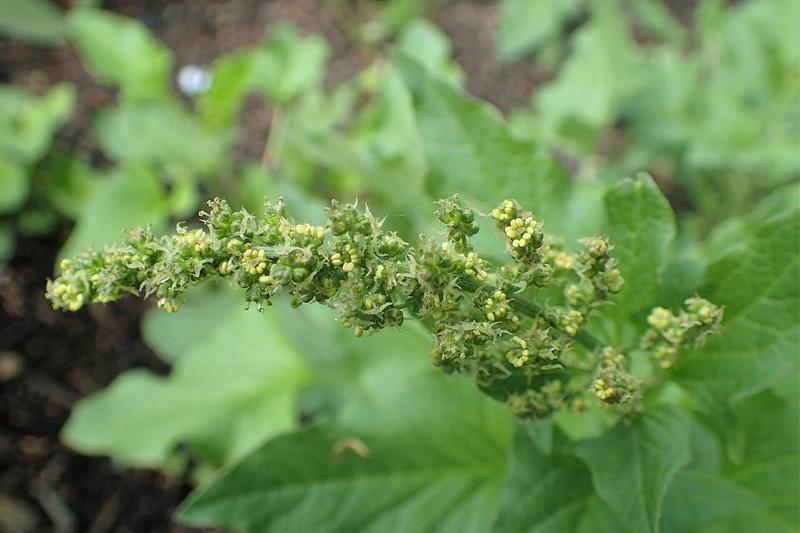
Quick facts
- Watering
- Weekly during dry spells
- Sunlight
- Full sun to partial shade
- Soil
- Rich, moisture-retentive, well-drained
- Humans
- Toxic
- Cats
- Toxic
- Dogs
- Toxic
- Height
- 40–60 cm
- Spread
- 30–45 cm
- Spacing
- 40–50 cm apart
About Good King Henry
Good King Henry is a hardy perennial vegetable native to Europe, producing arrow-shaped leaves and tall flower spikes. Once a staple in British cottage gardens, this ancient pot-herb was widely cultivated before spinach became popular. UK gardeners value it as a low-maintenance, early-season green that returns year after year, providing edible leaves, shoots, and flower buds from early spring through summer.
UK fact: Good King Henry was a common vegetable in British gardens until the 19th century, particularly valued in rural areas for its ability to produce fresh greens in early spring when little else was available, and was traditionally grown in monastery and cottage gardens throughout the UK.
Watering Good King Henry
Water regularly during establishment and dry periods to encourage tender, succulent leaves. Once established, Good King Henry is remarkably drought-tolerant thanks to its deep taproot, though consistent moisture produces better quality foliage. In typical UK summers, rainfall is usually sufficient, but water weekly during prolonged dry spells. Avoid waterlogging, which can cause root rot, particularly on heavy clay soils.
Sunlight requirements
Good King Henry thrives in full sun but tolerates partial shade, making it versatile for UK gardens. In southern England, light afternoon shade can prevent leaves from becoming bitter during hot summers. North-facing borders or positions under deciduous trees work well, as the plant produces its best spring growth before trees fully leaf out.
Soil and feeding
Good King Henry performs best in fertile, moisture-retentive soil enriched with organic matter. It tolerates a wide pH range from slightly acidic to slightly alkaline (pH 6.0-7.5), making it suitable for most UK garden soils. Improve heavy clay with compost and grit to ensure adequate drainage, as waterlogged conditions can damage the taproot. On sandy soils, incorporate plenty of well-rotted manure or compost to improve moisture retention and fertility.
Apply a generous mulch of well-rotted compost or manure around plants each spring to maintain soil fertility. A balanced liquid feed every 4-6 weeks during the growing season encourages lush leaf production. Avoid excessive nitrogen, which can make leaves coarse and reduce flavour.
Pruning Good King Henry
Remove flower spikes as they appear to encourage continued leaf production, unless you wish to harvest the edible flower buds. Cut back tatty foliage in late autumn once it dies down naturally, leaving about 5cm of stem above ground. In early spring, remove any remaining dead growth before new shoots emerge. Regular harvesting of outer leaves acts as a form of pruning, promoting fresh, tender growth from the centre of the plant.
Propagating Good King Henry
Good King Henry is most easily propagated by division in early spring or autumn, carefully separating established clumps with a sharp spade to ensure each section has roots and growing points. Seed propagation is possible but slower; sow fresh seed outdoors in late summer or early autumn, as it requires a cold period to germinate reliably. Seedlings may take 2-3 years to reach full productivity. Root cuttings taken in late winter can also be successful, though division remains the quickest method for UK gardeners.
Common problems
Good King Henry is remarkably trouble-free, with few serious pests or diseases affecting it in UK gardens. Slugs and snails may damage young spring growth, so protect emerging shoots with organic slug pellets or barriers. Leaf miners occasionally tunnel through foliage, creating pale trails; remove and destroy affected leaves promptly. The plant can self-seed prolifically if flower spikes are left to set seed, potentially becoming invasive in favourable conditions, so deadhead regularly unless you want seedlings.
Spot a problem with your plant? Photograph the affected area using the Loam app and it will suggest the most likely cause and treatment.
Safety
- Humans
-
Toxic
Contains oxalic acid and saponins; leaves should be eaten in moderation and are best cooked. Not recommended for people with kidney problems or gout. Young leaves are safer than mature foliage.
- Cats
-
Toxic
Contains oxalic acid and saponins which can cause gastrointestinal upset and kidney irritation in cats.
- Dogs
-
Toxic
Contains oxalic acid and saponins which can cause vomiting, diarrhoea, and kidney irritation in dogs.
Toxicity information is for general guidance only. If a person or pet has been exposed to this plant and you are concerned, seek advice from a medical professional or vet.
Seasonal care calendar
Monthly care guide for Good King Henry in the UK, based on average conditions.
| Month | Care tasks |
|---|---|
| January | No action needed; plants fully dormant. |
| February | Clear away any remaining dead foliage. Prepare planting sites with compost. |
| March | Divide established clumps. Apply spring mulch of compost or manure. First tender shoots may appear late in the month. |
| April | Begin harvesting young leaves and shoots. Protect emerging growth from slugs. Water during dry spells. |
| May | Continue harvesting leaves regularly. Remove flower spikes to encourage leaf production. Apply liquid feed. |
| June | Harvest leaves and edible flower buds. Keep soil moist during dry weather. Deadhead to prevent self-seeding. |
| July | Continue harvesting. Water regularly in hot, dry weather. Apply liquid feed every 4-6 weeks. |
| August | Harvest leaves as needed. Sow fresh seed outdoors for new plants. Remove any remaining flower spikes. |
| September | Reduce harvesting to allow plants to build reserves. Divide established clumps if needed. Collect seed if desired. |
| October | Stop harvesting. Allow foliage to die back naturally. Plant out divisions. |
| November | Cut back dead foliage to ground level. Mulch around crowns with compost. |
| December | No action needed; plants dormant. |
Frequently asked questions
- When can I start harvesting Good King Henry leaves?
- Begin harvesting young leaves and shoots in April, once they reach 10-15cm tall. For established plants, pick regularly from April through July, taking outer leaves first. Avoid harvesting in the first year after planting to allow plants to establish strong root systems.
- Why are my Good King Henry leaves turning yellow?
- Yellowing leaves can indicate waterlogging, nutrient deficiency, or natural ageing of older foliage. Check soil drainage and feed with a balanced liquid fertiliser. The Loam app can help diagnose specific problems based on your growing conditions and provide personalised care reminders.
- Can Good King Henry survive UK winters outdoors?
- Yes, Good King Henry is fully hardy throughout the UK and dies back completely in winter, re-emerging reliably each spring. It requires no winter protection and actually benefits from cold periods, which improve spring growth and flavour.
Got a question about growing Good King Henry that isn't covered here? Ask the Garden Advisor in the Loam app. It knows your saved plants and local conditions.
Related plants
This page was compiled with AI assistance and reviewed by our team. .