Honey Locust
Gleditsia triacanthos
Trees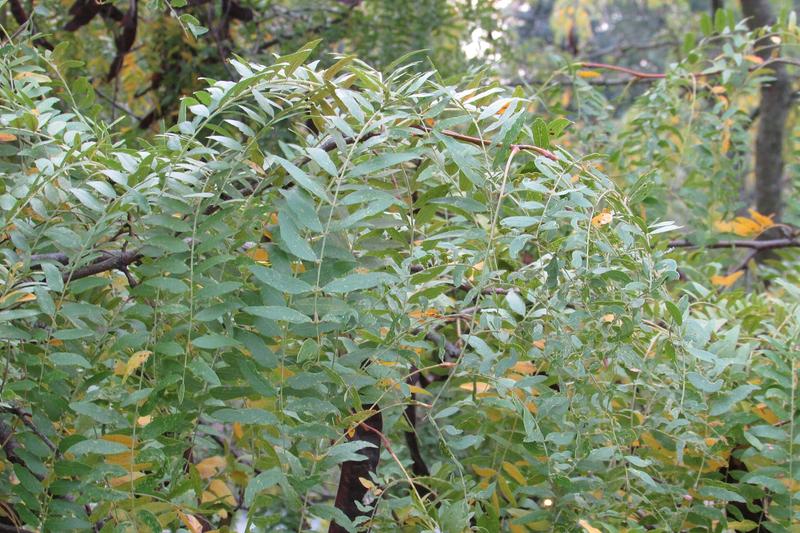
Quick facts
- Watering
- Weekly when young, minimal once established
- Sunlight
- Full sun
- Soil
- Well-drained, tolerates most soils
- Humans
- Toxic
- Cats
- Toxic
- Dogs
- Toxic
- Height
- 1000–1500 cm
- Spread
- 800–1200 cm
- Spacing
- 1000–1500 cm apart
- RHS recognition
- Award of Garden Merit
About Honey Locust
Honey Locust is a fast-growing deciduous tree native to North America, prized in UK gardens for its elegant, fern-like foliage and graceful, spreading canopy. The species produces long, twisted seed pods and formidable thorns, though thornless cultivars are widely available and preferred for ornamental planting. UK gardeners value this tree for its tolerance of urban pollution, compacted soils, and its light, dappled shade that allows underplanting. The delicate leaflets create a fine-textured appearance and turn golden-yellow in autumn, providing excellent seasonal interest.
UK fact: The cultivar Gleditsia triacanthos 'Sunburst' has received the RHS Award of Garden Merit and is particularly popular in British parks and street plantings for its bright golden-yellow spring foliage that matures to lime-green.
Watering Honey Locust
Young trees require regular watering during their first two to three growing seasons, particularly during dry spells from May to September. Water deeply once or twice weekly, applying 20-30 litres per session to encourage deep root development. Established Honey Locusts are exceptionally drought-tolerant and rarely need supplementary watering in the UK climate, though prolonged summer droughts may warrant occasional deep watering. Avoid waterlogging, as the tree prefers drier conditions once mature.
Sunlight requirements
Honey Locust thrives in full sun and requires at least six hours of direct sunlight daily for optimal growth and foliage colour. In the UK, plant in an open position away from buildings and larger trees to ensure adequate light reaches the canopy. South or west-facing positions are ideal, though the tree will tolerate exposed sites and coastal conditions once established.
Soil and feeding
Honey Locust is remarkably adaptable and thrives in a wide range of soil types, from sandy loams to heavy clay, provided drainage is adequate. The tree tolerates both acidic and alkaline conditions (pH 4.5-8.0) and performs well in poor, compacted urban soils where many other trees struggle. For best results, incorporate organic matter when planting in heavy clay to improve drainage. The tree is also salt-tolerant, making it suitable for coastal gardens and roadside plantings.
Honey Locust requires minimal feeding once established. Apply a balanced slow-release fertiliser such as blood, fish and bone in early spring for the first three years to support establishment. Mature trees rarely need supplementary feeding unless growing in very poor soils, where an annual spring application of general-purpose fertiliser may improve vigour.
Pruning Honey Locust
Prune Honey Locust during late winter or early spring whilst fully dormant, ideally between December and February before sap rises. Remove any dead, diseased, or crossing branches, and thin the canopy to maintain an open structure that allows light penetration. Young trees benefit from formative pruning to establish a strong central leader and well-spaced scaffold branches. Avoid heavy pruning during the growing season, as this can lead to excessive sap bleeding and may attract pests.
Propagating Honey Locust
Honey Locust is most commonly propagated from seed, which requires scarification and cold stratification for best germination rates. Collect seed pods in autumn, scarify the hard seed coat by nicking with a file or soaking in hot water for 24 hours, then stratify in damp sand at 1-5°C for 8-12 weeks before sowing in spring. Named cultivars such as 'Sunburst' must be propagated by grafting or budding onto seedling rootstocks, typically performed in late winter. Softwood cuttings taken in early summer occasionally root but success rates are variable.
Common problems
Honey Locust is generally pest and disease-free in the UK, though young trees may occasionally suffer from aphid infestations during spring, leading to sticky honeydew and sooty mould on foliage. Webworm caterpillars can defoliate branches in some years, though damage is usually cosmetic and trees recover quickly. The tree is susceptible to honey fungus (Armillaria) in poorly drained soils, and canker diseases may affect stressed specimens. Thornless cultivars eliminate the hazard of the species' formidable spines, making them safer for gardens and public spaces.
Spot a problem with your plant? Photograph the affected area using the Loam app and it will suggest the most likely cause and treatment.
Safety
- Humans
-
Toxic
Seed pods and seeds contain toxic compounds that can cause digestive upset if ingested in quantity. The thorns on wild-type specimens pose a physical injury risk.
- Cats
-
Toxic
Seeds and pods may cause vomiting and diarrhoea if consumed. Thorns on species plants can cause injury.
- Dogs
-
Toxic
Ingestion of seed pods or seeds may lead to gastrointestinal distress including vomiting and diarrhoea. Thorns present injury hazard.
Toxicity information is for general guidance only. If a person or pet has been exposed to this plant and you are concerned, seek advice from a medical professional or vet.
Seasonal care calendar
Monthly care guide for Honey Locust in the UK, based on average conditions.
| Month | Care tasks |
|---|---|
| January | No action needed; tree fully dormant. |
| February | Prune to remove dead wood and shape canopy whilst dormant. |
| March | Apply slow-release fertiliser to young trees; complete pruning before budburst. |
| April | Monitor for aphids as new foliage emerges; water young trees if dry. |
| May | Water young trees weekly during dry spells; enjoy emerging fern-like foliage. |
| June | Continue watering young specimens; watch for webworm caterpillars on foliage. |
| July | Water deeply during prolonged dry periods; greenish flowers appear on mature trees. |
| August | Maintain watering schedule for young trees; seed pods begin to develop. |
| September | Reduce watering as temperatures cool; collect seed pods for propagation. |
| October | Enjoy golden-yellow autumn foliage; prepare planting sites for bare-root trees. |
| November | Plant bare-root specimens; clear fallen leaves from lawn areas. |
| December | Begin winter pruning if weather permits; tree fully dormant. |
Frequently asked questions
- How fast does a Honey Locust tree grow in the UK?
- Honey Locust is a fast-growing tree in UK conditions, typically adding 30-60 cm of height per year once established. Young trees may grow even more vigorously in fertile, well-watered soils, reaching 3-4 metres within five years. Growth rates slow as the tree matures, usually reaching full height of 10-15 metres within 20-30 years.
- Why are the leaves on my Honey Locust turning yellow in summer?
- Summer yellowing can indicate waterlogging, nutrient deficiency, or pest damage from aphids or webworms. The Loam app can help you diagnose the specific cause by analysing your watering schedule, soil conditions, and photos of affected foliage, then provide tailored care recommendations to restore your tree's health.
- Should I choose a thornless Honey Locust variety for my garden?
- Thornless cultivars such as 'Sunburst' or var. inermis are strongly recommended for gardens, especially where children or pets are present. The species form produces formidable thorns up to 10 cm long on trunk and branches that pose a significant safety hazard. Thornless varieties offer the same ornamental qualities without the risk of injury.
Got a question about growing Honey Locust that isn't covered here? Ask the Garden Advisor in the Loam app. It knows your saved plants and local conditions.
Related plants
This page was compiled with AI assistance and reviewed by our team. .