Genista
Genista hispanica
Shrubs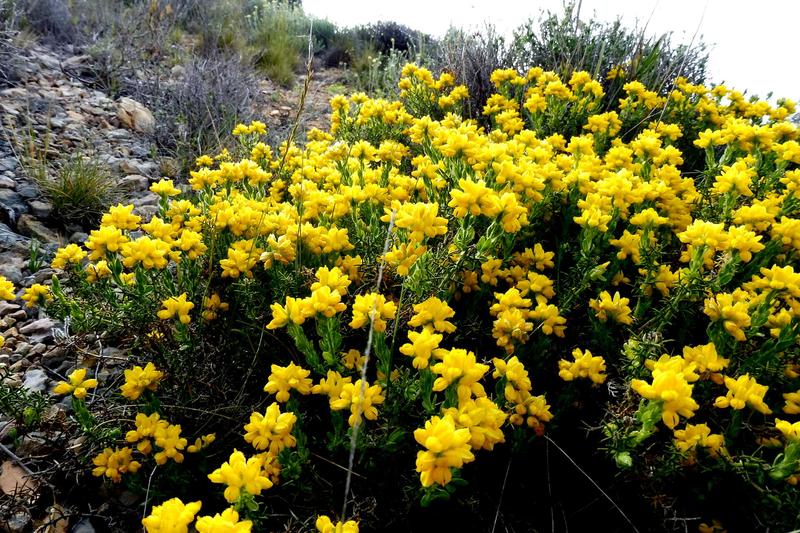
Quick facts
- Watering
- Minimal once established
- Sunlight
- Full sun
- Soil
- Well-drained, poor to moderately fertile
- Humans
- Toxic
- Cats
- Toxic
- Dogs
- Toxic
- Height
- 30–50 cm
- Spread
- 60–90 cm
- Spacing
- 60–75 cm apart
- RHS recognition
- Award of Garden Merit
About Genista
Genista hispanica, commonly known as Spanish gorse, is a compact, spiny evergreen shrub native to southwestern Europe that forms dense, cushion-like mounds of golden-yellow flowers in late spring. This low-maintenance Mediterranean native thrives in the UK's drier regions and coastal gardens, where its drought tolerance and ability to flourish in poor soils make it invaluable. British gardeners prize it for rock gardens, gravel gardens, and sunny banks where its brilliant May-June display creates a striking focal point. The plant's spiny nature also makes it an effective low barrier or ground cover on challenging sites.
UK fact: Genista hispanica received the RHS Award of Garden Merit in 1993, recognising its exceptional performance in British gardens, particularly in southern and eastern England where it thrives in the drier climate and well-drained soils.
Watering Genista
Water regularly during the first growing season to establish a deep root system, providing approximately 2.5 cm of water weekly during dry spells. Once established, genista is exceptionally drought-tolerant and rarely requires supplementary watering in the UK, even during summer droughts. Overwatering, particularly in winter, can lead to root rot, so ensure excellent drainage and avoid watering established plants unless experiencing prolonged drought exceeding four weeks. Container-grown specimens require occasional watering during extended dry periods.
Sunlight requirements
Genista hispanica requires full sun to flower profusely and maintain its compact habit. In the UK, plant in south or west-facing positions where it will receive at least six hours of direct sunlight daily. Shaded positions result in sparse flowering and leggy growth, so avoid planting beneath trees or on north-facing aspects.
Soil and feeding
Genista hispanica thrives in poor to moderately fertile, well-drained soils and actually performs better in lean conditions than in rich soil. It tolerates a wide pH range from slightly acidic to alkaline (pH 6.0-8.0) and excels in sandy, gravelly, or chalky soils that drain freely. Heavy clay soils must be amended with copious grit and planted on mounds or slopes to prevent waterlogging, which is fatal to this Mediterranean native. Avoid adding organic matter or fertiliser, as overly rich soil promotes soft growth susceptible to frost damage.
Genista hispanica requires no supplementary feeding and actually performs best in nutrient-poor conditions. Excessive fertility promotes lush, soft growth that is prone to frost damage and reduces flowering. If growing in containers, apply a very dilute liquid feed once in early spring, but avoid feeding plants in open ground entirely.
Pruning Genista
Prune immediately after flowering in late June or early July, removing spent flower stems and lightly shaping the plant to maintain compactness. Avoid cutting into old, woody growth as genista does not regenerate readily from bare wood. Trim young plants annually to encourage dense, bushy growth, removing no more than one-third of the green growth. Neglected or straggly specimens are best replaced rather than hard pruned, as severe cutting back often results in plant death.
Propagating Genista
Genista hispanica is most reliably propagated from semi-ripe cuttings taken in July or August, using 7-10 cm lengths of current season's growth with a heel. Root cuttings in a mix of equal parts peat-free compost and sharp sand, keeping them in a cold frame or unheated greenhouse over winter. Seed propagation is possible but requires scarification (nicking the hard seed coat) and stratification for best results, sown in autumn in a cold frame. Germination can be erratic, and seedlings take 2-3 years to reach flowering size, making cuttings the preferred method for UK gardeners.
Common problems
Genista hispanica is remarkably trouble-free in UK gardens when grown in appropriate conditions. The primary issue is root rot caused by waterlogged soil, particularly in heavy clay or during wet winters, which manifests as yellowing foliage and dieback. Aphids may occasionally colonise new growth in spring but rarely cause significant damage and can be controlled with a strong water spray or insecticidal soap. In overly rich or shaded conditions, plants become leggy and flower poorly, whilst frost damage to soft growth can occur if plants are overfed or grown in excessively fertile soil.
Spot a problem with your plant? Photograph the affected area using the Loam app and it will suggest the most likely cause and treatment.
Safety
- Humans
-
Toxic
All parts of Genista hispanica contain toxic alkaloids, particularly cytisine, which can cause nausea, vomiting, and dizziness if ingested. Keep away from children.
- Cats
-
Toxic
Contains cytisine and other toxic alkaloids that can cause vomiting, diarrhoea, and neurological symptoms in cats if ingested.
- Dogs
-
Toxic
Contains cytisine and other toxic alkaloids that can cause vomiting, diarrhoea, weakness, and potentially serious neurological effects in dogs if ingested.
Toxicity information is for general guidance only. If a person or pet has been exposed to this plant and you are concerned, seek advice from a medical professional or vet.
Seasonal care calendar
Monthly care guide for Genista in the UK, based on average conditions.
| Month | Care tasks |
|---|---|
| January | No action needed. Avoid walking on or disturbing plants in frosty conditions. |
| February | No action needed. Check plants after severe weather for any frost or wind damage. |
| March | Remove any dead or damaged growth. Prepare planting sites for new specimens. |
| April | Plant container-grown specimens. Water new plantings during dry spells. |
| May | Enjoy the spectacular golden flower display. Monitor new plantings and water if dry. |
| June | Flowering continues into early June. Prepare to prune once flowers fade. |
| July | Prune after flowering, lightly shaping and removing spent blooms. Take semi-ripe cuttings mid to late month. |
| August | Continue taking semi-ripe cuttings early in the month. Water new plantings during prolonged drought only. |
| September | Plant new specimens. Sow seeds in cold frame if propagating from seed. |
| October | Planting can continue. Ensure excellent drainage before winter rains arrive. |
| November | No action needed. Avoid disturbing established plants. |
| December | No action needed. Plants are fully dormant. |
Frequently asked questions
- Why is my genista not flowering?
- Genista hispanica fails to flower when grown in shade, overly rich soil, or if pruned at the wrong time. Ensure your plant receives full sun, avoid feeding, and only prune immediately after flowering in late June or July. Plants in heavy shade or those hard pruned in spring will not bloom.
- How do I know when my genista needs watering?
- Established genista rarely needs watering in the UK, even during summer. The Loam app can track your local rainfall and send personalised alerts if your specific conditions warrant watering, taking the guesswork out of caring for drought-tolerant plants.
- Can genista grow in clay soil?
- Genista hispanica struggles in heavy clay and will succumb to root rot without excellent drainage. Amend clay soil generously with horticultural grit, plant on a mound or slope, or grow in raised beds. Alternatively, choose a naturally well-drained site with sandy or gravelly soil where genista will thrive.
Got a question about growing Genista that isn't covered here? Ask the Garden Advisor in the Loam app. It knows your saved plants and local conditions.
Related plants
This page was compiled with AI assistance and reviewed by our team. .