Florence Fennel
Foeniculum vulgare var. azoricum
Vegetables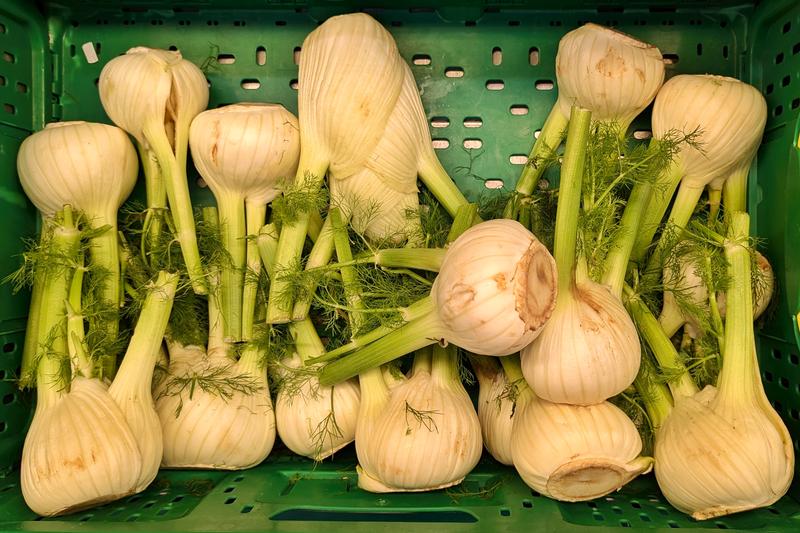
Quick facts
- Watering
- Twice weekly during bulb formation
- Sunlight
- Full sun
- Soil
- Well-drained, fertile, moisture-retentive loam
- Humans
- Safe
- Cats
- Safe
- Dogs
- Safe
- Height
- 45–75 cm
- Spread
- 30–45 cm
- Spacing
- 30–35 cm apart
About Florence Fennel
Florence fennel is a distinctive annual vegetable prized for its swollen, bulb-like stem base with a crisp texture and sweet anise flavour. Native to the Mediterranean region, this variety of fennel was developed specifically for its enlarged base rather than its leaves or seeds. UK gardeners value it as a gourmet crop that thrives in our cooler summers, producing tender bulbs perfect for salads, roasting, or braising. The feathery foliage and architectural form also make it an attractive addition to the vegetable plot.
UK fact: Florence fennel performs particularly well in the cooler, damper conditions of Scotland and northern England, where slower growth in moderate temperatures produces sweeter, less fibrous bulbs than those grown in hotter Mediterranean climates.
Watering Florence Fennel
Water regularly and deeply, providing approximately 2.5 cm of water per week during the growing season, increasing to twice weekly as bulbs begin to swell. Inconsistent watering causes bulbs to split or become stringy and bitter, whilst drought stress triggers premature bolting. Mulch around plants to retain moisture and keep soil temperatures stable, particularly important during warm spells. In heavy clay soils, ensure good drainage to prevent waterlogging which can cause rot.
Sunlight requirements
Position in a sheltered spot receiving at least six hours of direct sunlight daily, ideally with a south or southwest aspect. In northern regions, choose the warmest, sunniest location available to encourage bulb development. Insufficient light leads to weak, elongated growth and premature flowering rather than bulb formation.
Soil and feeding
Prepare beds with plenty of well-rotted compost or manure several weeks before sowing, aiming for a pH between 6.5 and 7.5. The ideal soil is a fertile loam that holds moisture without becoming waterlogged, as fennel requires consistent hydration but will rot in heavy, poorly drained clay. Avoid very acidic soils which can stunt growth and reduce bulb quality. On sandy soils, incorporate organic matter generously to improve water retention and provide nutrients throughout the growing season.
Apply a balanced liquid feed (such as seaweed extract) every two to three weeks once bulbs start to swell, typically from mid-summer onwards. Avoid high-nitrogen fertilisers which encourage excessive foliage and bolting rather than bulb formation. A potassium-rich tomato feed can be beneficial during bulbing to improve flavour and texture.
Pruning Florence Fennel
Florence fennel requires minimal pruning, but vigilance against bolting is essential. Cut off any emerging flower stalks at the base as soon as you spot them to prevent the plant diverting energy from bulb formation. Once bulbs reach tennis-ball size (typically 8-10 cm diameter), harvest promptly by cutting at soil level. Remove any damaged or yellowing outer leaves to maintain plant health and air circulation, but leave the feathery foliage intact as it supports bulb development.
Propagating Florence Fennel
Sow seeds directly into prepared beds from late April through July for successive harvests, with sowings from mid-June to early July producing the most reliable bulbs in UK conditions. Direct sowing is essential as fennel develops a long taproot and transplanting causes stress that leads to premature flowering. Choose bolt-resistant varieties for earlier sowings, as lengthening days and temperature fluctuations in spring increase bolting risk. Autumn sowings under cloches can extend the season in milder regions.
Common problems
Florence fennel is relatively trouble-free but prone to bolting (premature flowering) in response to cold snaps, drought, or root disturbance, which prevents bulb formation. Aphids occasionally colonise the tender foliage and can be controlled with insecticidal soap or by encouraging natural predators. Slugs and snails may damage young seedlings, particularly in damp conditions, requiring protection with organic pellets or barriers. Carrot fly can occasionally affect fennel as both are in the Apiaceae family; use fine mesh netting as a physical barrier if this pest is prevalent in your area.
Spot a problem with your plant? Photograph the affected area using the Loam app and it will suggest the most likely cause and treatment.
Safety
- Humans
- Safe
- Cats
- Safe
- Dogs
- Safe
Toxicity information is for general guidance only.
Seasonal care calendar
Monthly care guide for Florence Fennel in the UK, based on average conditions.
| Month | Care tasks |
|---|---|
| January | No action needed. Plan crop rotation and order seeds for spring sowing. |
| February | No action needed. Prepare beds by incorporating organic matter if weather permits. |
| March | Prepare seedbeds in sheltered locations. Avoid sowing yet as cold weather triggers bolting. |
| April | Sow bolt-resistant varieties under cloches from late April in mild regions. Direct sow in prepared drills. |
| May | Continue sowings outdoors. Thin early sowings to final spacing. Water regularly and watch for bolting. |
| June | Make main sowings from mid-June for most reliable crops. Keep soil moist and begin earthing up developing bulbs. |
| July | Final sowings in early July. Earth up swelling bulbs and feed fortnightly. Remove any flower stalks immediately. |
| August | Harvest early sowings as bulbs reach tennis-ball size. Continue watering and feeding later crops. |
| September | Harvest main crop bulbs. Protect late sowings with fleece as nights cool. Use fresh or refrigerate. |
| October | Harvest remaining bulbs before hard frosts. Clear spent plants and add to compost heap. |
| November | No action needed. Clear any remaining plant debris and prepare beds for winter. |
| December | No action needed. Review the season and plan next year's sowings. |
Frequently asked questions
- How do I stop my Florence fennel from bolting?
- To prevent bolting, sow from mid-June to early July when day length is decreasing, choose bolt-resistant varieties like 'Zefa Fino', maintain consistent soil moisture through regular watering, and avoid transplanting which disturbs the taproot. Mulching helps retain moisture and regulate soil temperature. Cold snaps and drought are the main triggers, so protect early sowings with fleece if temperatures drop.
- Why are my Florence fennel bulbs not forming properly?
- Poor bulb formation is usually caused by bolting (premature flowering), inconsistent watering, sowing at the wrong time, or nutrient deficiency. The plant may produce leaves but no swollen bulb if stressed. Check that you're sowing during the optimal window (mid-June to early July), maintaining even moisture, and feeding fortnightly once bulbs begin to swell. If you're struggling to diagnose the specific issue, the Loam app can help identify problems through photos and provide personalised care reminders based on your sowing dates and local conditions.
- What spacing does Florence fennel need?
- Space Florence fennel plants 30 cm apart in rows 45 cm apart. Adequate spacing is essential as overcrowding increases competition for water and nutrients, leading to smaller bulbs and increased bolting risk. If direct sowing, thin seedlings to this spacing once they're large enough to handle. Each plant needs room for the bulb to develop fully and for air circulation around the foliage.
Got a question about growing Florence Fennel that isn't covered here? Ask the Garden Advisor in the Loam app. It knows your saved plants and local conditions.
Related plants
This page was compiled with AI assistance and reviewed by our team. .