Chinese Money Plant
Pilea peperomioides
Houseplants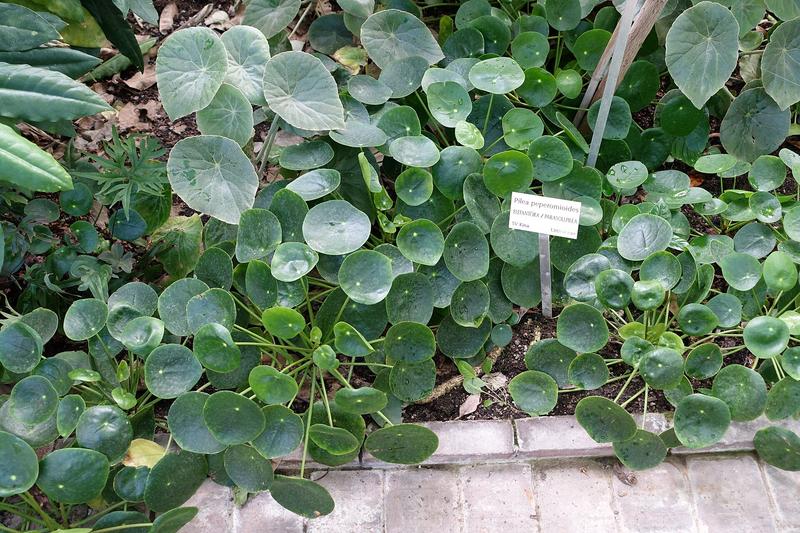
Quick facts
- Watering
- Weekly during growing season
- Sunlight
- Bright indirect light
- Soil
- Well-drained, peat-free multipurpose compost
- Humans
- Safe
- Cats
- Safe
- Dogs
- Safe
- Height
- 20–40 cm
- Spread
- 20–30 cm
- Spacing
- 0 cm apart
About Chinese Money Plant
The Chinese Money Plant is a charming houseplant with distinctive round, coin-shaped leaves on delicate stems, native to the Yunnan province of southern China. Its architectural form and ease of propagation have made it hugely popular amongst UK indoor gardeners since the 2010s. The plant produces numerous offsets that can be shared with friends, earning it the nickname 'pass-it-on plant'. Its compact size and tolerance of typical British home conditions make it an ideal choice for brightening windowsills and shelves throughout the year.
UK fact: The Chinese Money Plant became a social media sensation in the UK around 2017, with cuttings traded enthusiastically through plant-swapping groups and online communities, making it one of the most sought-after houseplants of the decade despite not holding an RHS Award of Garden Merit.
Watering Chinese Money Plant
Allow the top layer of compost to dry out between waterings, typically once a week during spring and summer in UK homes. Water thoroughly until excess drains from the bottom, then empty the saucer to prevent waterlogging. In autumn and winter, reduce watering to every 10–14 days as the plant enters a semi-dormant period and requires less moisture. Drooping leaves usually indicate underwatering, whilst yellowing leaves suggest overwatering or poor drainage.
Sunlight requirements
Position near an east or north-facing window in UK homes for optimal growth, where the plant receives plenty of ambient light without direct sun exposure. South-facing windows work well if placed 1–2 metres back from the glass or behind a sheer curtain. The leaves will naturally turn to face the light source, so rotate the pot a quarter turn weekly to maintain an even, balanced shape.
Soil and feeding
Use a well-draining, peat-free multipurpose compost amended with perlite or horticultural grit (roughly 3:1 ratio) to ensure excellent drainage. The plant is susceptible to root rot in heavy, waterlogged conditions, so good drainage is essential. A slightly acidic to neutral pH of 6.0–7.0 is ideal. Repot annually in spring using fresh compost, moving up one pot size only when roots fill the current container.
Apply a balanced liquid fertiliser diluted to half strength every 3–4 weeks from April through September when the plant is actively growing. Cease feeding from October to March when growth naturally slows in response to reduced light levels typical of British winters. Over-feeding can cause leaf discolouration and salt build-up in the compost.
Pruning Chinese Money Plant
Prune sparingly, removing only dead, damaged, or yellowing leaves by cutting cleanly at the base of the stem with sharp scissors. If the plant becomes leggy or loses lower leaves, you can trim back tall stems in spring to encourage bushier growth, though this is rarely necessary. The plant naturally sheds older lower leaves as it matures, which is normal. Remove spent flower stalks after the small white blooms fade, though flowering is infrequent indoors in the UK.
Propagating Chinese Money Plant
The Chinese Money Plant readily produces offsets or 'pups' around its base, making propagation straightforward and rewarding. These baby plants can be carefully separated once they're 5–8 cm tall and have developed a few leaves of their own. Alternatively, stem cuttings taken in spring or summer root easily in water or directly in compost. This generous habit of producing offsets has contributed to the plant's popularity in UK plant-swapping communities.
Common problems
Chinese Money Plants are generally trouble-free but can suffer from overwatering, which leads to yellowing leaves, root rot, and fungal issues in the damp UK climate. Mealybugs occasionally infest leaf joints and can be treated with cotton buds dipped in diluted washing-up liquid or horticultural soap. Brown leaf edges typically indicate low humidity or inconsistent watering, whilst curling leaves suggest underwatering or excessive direct sunlight. Leggy growth with large gaps between leaves is usually caused by insufficient light, common in darker UK homes during winter months.
Spot a problem with your plant? Photograph the affected area using the Loam app and it will suggest the most likely cause and treatment.
Safety
- Humans
- Safe
- Cats
- Safe
- Dogs
- Safe
Toxicity information is for general guidance only.
Seasonal care calendar
Monthly care guide for Chinese Money Plant in the UK, based on average conditions.
| Month | Care tasks |
|---|---|
| January | Minimal watering required. Keep in a warm room away from cold draughts and windows. No feeding needed. |
| February | Continue minimal watering. Wipe dust from leaves to maximise light absorption during short winter days. |
| March | Growth begins to resume. Gradually increase watering frequency. Ideal time to repot if rootbound. |
| April | Resume monthly feeding with diluted liquid fertiliser. Separate and pot up any offsets that have developed. |
| May | Active growing period. Water weekly and feed monthly. Rotate pot regularly for even growth. |
| June | Peak growing season. Maintain regular watering and feeding schedule. Take stem cuttings if desired. |
| July | Continue regular care routine. Watch for signs of underwatering during warm spells. Mist occasionally if humidity is low. |
| August | Maintain watering and feeding. Check for pests, particularly mealybugs. Propagate offsets whilst weather is warm. |
| September | Continue feeding until month end. Begin reducing watering frequency slightly as growth slows. |
| October | Stop feeding for winter. Reduce watering to every 10–14 days. Ensure adequate warmth as heating comes on. |
| November | Minimal watering required. Keep away from cold windows and draughts. Clean leaves to maximise winter light. |
| December | Water sparingly only when compost is dry. Maintain temperatures above 10°C. Avoid placing near radiators. |
Frequently asked questions
- How often should I water my Chinese Money Plant?
- Water when the top 2-3cm of compost feels dry to the touch, typically every 7-10 days in summer and every 2-3 weeks in winter. Chinese Money Plants prefer slightly moist but never waterlogged conditions. Reduce watering during the UK's darker winter months when growth slows. The frequency depends on your home's temperature, humidity, and light levels.
- Why are the leaves on my Chinese Money Plant curling?
- Curling leaves usually indicate underwatering or too much direct sunlight. Check the compost moisture and move the plant to a spot with bright but indirect light, away from harsh afternoon sun through south-facing windows. If you're struggling to identify the exact cause, the Loam app can help diagnose leaf problems through photos and provide personalised care reminders based on your home conditions.
- How do I propagate Chinese Money Plant babies?
- Chinese Money Plants readily produce offsets (baby plants) around the base. Once an offset has 3-4 leaves and is at least 5cm tall, gently separate it from the mother plant with a clean knife, ensuring it has some roots attached. Plant in moist, peat-free compost and keep in bright, indirect light. Alternatively, root offsets in water before potting up. Spring and summer are the best times for propagation in the UK.
Got a question about growing Chinese Money Plant that isn't covered here? Ask the Garden Advisor in the Loam app. It knows your saved plants and local conditions.
Related plants
This page was compiled with AI assistance and reviewed by our team. .