Agretti
Salsola soda
Vegetables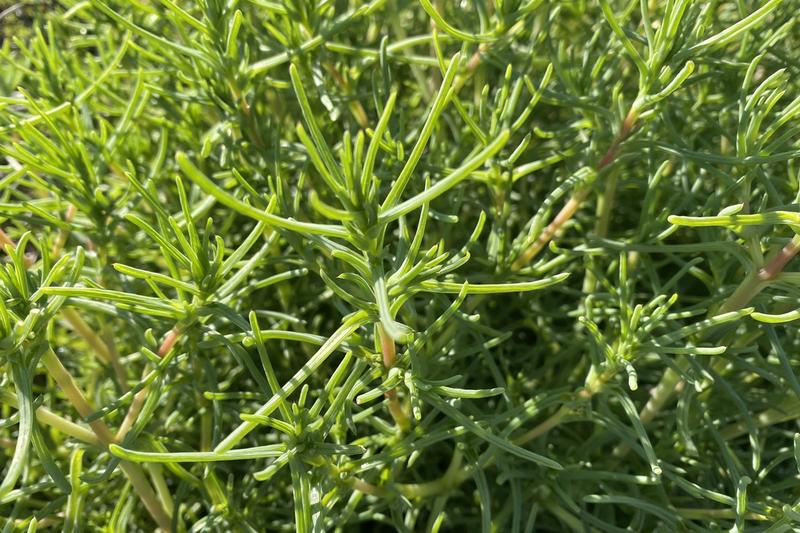
Quick facts
- Watering
- Every 2-3 days
- Sunlight
- Full sun
- Soil
- Well-drained, sandy, slightly saline
- Humans
- Safe
- Cats
- Unknown
- Dogs
- Unknown
- Height
- 30–70 cm
- Spread
- 20–40 cm
- Spacing
- 15–20 cm apart
About Agretti
Agretti is an unusual Italian salad vegetable with thin, succulent, grass-like leaves that have a distinctive salty, mineral flavour. Native to the Mediterranean coast, this annual halophyte thrives in saline soils and has been cultivated for centuries for its edible shoots. UK gardeners prize agretti as a gourmet crop for spring and early summer harvests, offering a unique alternative to more common salad leaves. The tender young stems are typically blanched briefly and served with olive oil and lemon.
UK fact: Agretti has gained popularity in British farmers' markets and high-end restaurants over the past decade, with specialist growers in East Anglia and Kent supplying chefs who value its unique briny taste and crunchy texture as a seasonal delicacy.
Watering Agretti
Keep the soil consistently moist but not waterlogged, watering every 2-3 days during dry spells. Agretti is naturally adapted to saline conditions and tolerates occasional drying better than many salad crops, but regular moisture promotes tender growth. In the UK's variable spring weather, adjust watering frequency based on rainfall, ensuring good drainage to prevent root rot. Reduce watering slightly as plants mature to concentrate flavour.
Sunlight requirements
Agretti requires full sun to develop its characteristic flavour and maintain compact, vigorous growth. In the UK, position in a south-facing location that receives at least six hours of direct sunlight daily. Plants grown in partial shade become leggy and produce fewer harvestable shoots with diminished flavour.
Soil and feeding
Agretti thrives in well-drained, sandy or loamy soil with good structure and tolerates saline conditions better than most vegetables. A neutral to slightly alkaline pH of 6.5-8.0 is ideal, making it suitable for chalky soils common in parts of southern England. Improve heavy clay soils with sharp sand and organic matter to ensure adequate drainage. Interestingly, adding a small amount of sea salt to the soil (1-2 teaspoons per square metre) can enhance the plant's natural flavour, though this is optional.
Agretti requires minimal feeding and excessive nitrogen can produce overly lush growth with reduced flavour. Apply a balanced liquid fertiliser at half strength once when seedlings are established, then avoid further feeding unless plants show signs of nutrient deficiency. Overfed plants become too soft and lose their characteristic texture.
Pruning Agretti
Regular harvesting serves as pruning for agretti, encouraging bushier growth and延prolonging the productive period. Begin harvesting when plants reach 15-20 cm tall by cutting the top 10-12 cm of shoots with scissors or a sharp knife. Cut just above a leaf node to promote side shoots. Harvest every 7-10 days during the main season, removing no more than one-third of the plant at each cutting to maintain vigour.
Propagating Agretti
Agretti is grown exclusively from seed sown directly outdoors or started under cover in modules. Sow seeds in March or April under glass at 15-18°C, or from late April to June directly in the ground once soil temperatures reach 10°C. Seeds have a hard coat and benefit from soaking in lukewarm water for 12-24 hours before sowing to improve germination. Sow thinly 1 cm deep in rows 20-25 cm apart, thinning seedlings to 15-20 cm spacing when large enough to handle.
Common problems
Agretti is relatively trouble-free in UK gardens, with few serious pest or disease problems. Slugs and snails can damage young seedlings in damp conditions, so use organic pellets or barriers during establishment. Poor drainage or overwatering may cause root rot, particularly in heavy soils or during wet British summers. Bolting can occur prematurely if plants experience stress from drought, overcrowding, or unseasonably hot weather, so maintain consistent moisture and adequate spacing.
Spot a problem with your plant? Photograph the affected area using the Loam app and it will suggest the most likely cause and treatment.
Safety
- Humans
- Safe
- Cats
-
Unknown
No specific toxicity data available for cats. As a member of the Amaranthaceae family, exercise caution and prevent pets from consuming plant material.
- Dogs
-
Unknown
No specific toxicity data available for dogs. As a member of the Amaranthaceae family, exercise caution and prevent pets from consuming plant material.
Toxicity information is for general guidance only. If a pet has been exposed to this plant and you are concerned, seek advice from a vet.
Seasonal care calendar
Monthly care guide for Agretti in the UK, based on average conditions.
| Month | Care tasks |
|---|---|
| January | No action needed. Plan crop rotation and order seeds for spring sowing. |
| February | No action needed. Prepare seed beds if weather permits. |
| March | Sow seeds under cover in modules or seed trays at 15-18°C for earlier crops. |
| April | Continue sowing under cover. Harden off and transplant early sowings after last frosts. Begin direct sowing outdoors from late April in milder regions. |
| May | Direct sow outdoors for main crop. Transplant module-raised seedlings. Water regularly and thin direct-sown seedlings to final spacing. |
| June | Make final sowings for late summer harvest. Begin harvesting early sowings when plants reach 15-20 cm tall. Water during dry spells. |
| July | Harvest regularly every 7-10 days to encourage continued production. Water consistently during warm weather. |
| August | Continue harvesting main crop. Plants may begin to bolt in hot weather; remove flowering stems or allow to set seed for next year. |
| September | Harvest remaining crops before quality declines. Allow some plants to flower and set seed if desired. |
| October | Clear spent plants and add to compost. Collect and store seed in a cool, dry place. |
| November | No action needed. Review growing season and plan for next year. |
| December | No action needed. |
Frequently asked questions
- When should I sow agretti seeds in the UK?
- Sow agretti seeds under cover from March at 15-18°C for earlier crops, or directly outdoors from late April to June once soil temperatures reach 10°C. Soak seeds for 12-24 hours before sowing to improve germination rates.
- Why are my agretti seedlings not germinating?
- Agretti seeds have hard coats and need warm soil (10°C+) plus adequate moisture. The Loam app can track your local soil temperatures and send sowing reminders at the optimal time, plus diagnose germination issues with personalised advice.
- How do I harvest agretti to keep it producing?
- Begin harvesting when plants reach 15-20 cm tall by cutting the top 10-12 cm of shoots just above a leaf node. Harvest every 7-10 days, removing no more than one-third of the plant each time to encourage bushier regrowth and prolong the harvest period.
Got a question about growing Agretti that isn't covered here? Ask the Garden Advisor in the Loam app. It knows your saved plants and local conditions.
Related plants
This page was compiled with AI assistance and reviewed by our team. .