Winter Savory
Satureja montana
Herbs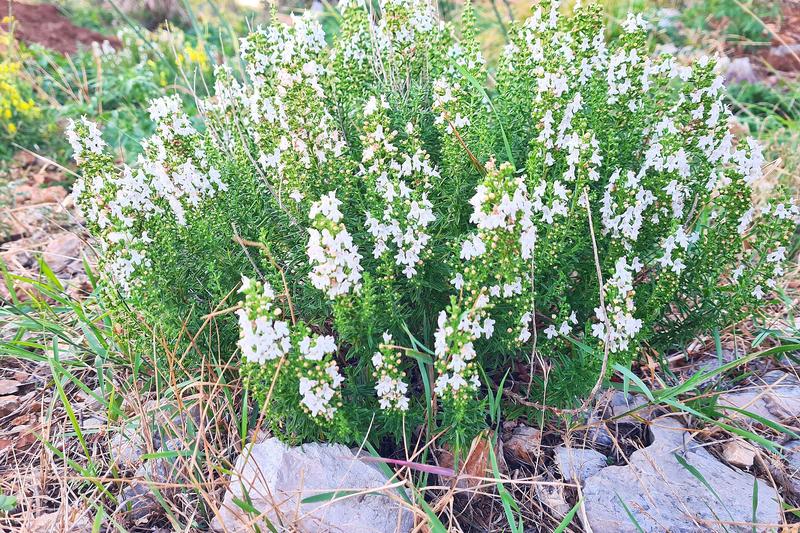
Quick facts
- Watering
- Fortnightly once established
- Sunlight
- Full sun
- Soil
- Well-drained, alkaline to neutral
- Humans
- Safe
- Cats
- Safe
- Dogs
- Safe
- Height
- 20–40 cm
- Spread
- 30–45 cm
- Spacing
- 30–40 cm apart
About Winter Savory
Winter Savory is a compact, evergreen perennial herb native to the Mediterranean, forming woody-based mounds of narrow, aromatic leaves and delicate white to pale pink flowers in summer. British gardeners prize it for its peppery flavour in cooking, superior cold-hardiness compared to its annual cousin summer savory, and year-round foliage that provides fresh leaves even in winter. The plant thrives in well-drained soils and sunny spots, making it ideal for herb gardens, rockeries, and container cultivation across the UK. Its drought tolerance and low-maintenance nature suit both novice and experienced gardeners seeking reliable culinary herbs.
UK fact: Winter Savory has been cultivated in British monastery gardens since medieval times, where monks valued it both as a culinary herb for bean dishes and as a medicinal plant for digestive ailments, earning it the traditional name 'bean herb' in English herbals.
Watering Winter Savory
Water newly planted Winter Savory weekly during the first growing season to establish roots, then reduce to fortnightly or less. Established plants require minimal watering and tolerate dry spells well, typical of their Mediterranean heritage. In the UK, natural rainfall usually suffices except during prolonged summer droughts. Overwatering causes root rot and reduces flavour intensity, so err on the side of underwatering, particularly in heavy soils or during wet British winters.
Sunlight requirements
Position in full sun with at least six hours of direct sunlight daily for optimal growth and essential oil production. In the UK, south-facing positions are ideal, though the plant tolerates light afternoon shade in southern regions. Avoid shaded north-facing walls where growth becomes leggy and flavour diminishes significantly.
Soil and feeding
Winter Savory performs best in well-drained, alkaline to neutral soil (pH 6.5-8.0), reflecting its native limestone habitats. Add horticultural grit or sharp sand to heavy clay soils to improve drainage, as waterlogged conditions prove fatal, especially in wet UK winters. The plant tolerates poor, stony, or sandy soils and actually develops stronger flavour in lean conditions than in rich, fertile ground. For container cultivation, use a loam-based compost mixed with extra grit in a ratio of 3:1.
Apply a light dressing of general-purpose fertiliser or well-rotted compost in early spring to support new growth. Avoid high-nitrogen feeds which promote soft, flavourless foliage at the expense of essential oils. Established plants in reasonable soil require little to no feeding, as overly rich conditions reduce the concentration of aromatic compounds that give Winter Savory its culinary value.
Pruning Winter Savory
Lightly trim spent flowers in late summer to keep plants tidy and prevent self-seeding. In early spring (March-April), cut back the previous year's growth by one-third to half, removing any winter-damaged stems and encouraging bushy new growth from the woody base. Regular harvesting throughout the growing season acts as ongoing pruning, promoting dense, compact habit. Avoid cutting into old wood too severely, as Winter Savory can be slow to regenerate from very hard pruning.
Propagating Winter Savory
The most reliable propagation method for Winter Savory is taking semi-ripe cuttings in July or August, which root readily in free-draining compost. Softwood cuttings taken in May-June also succeed well in the UK climate. Division of established clumps in spring (March-April) or autumn (September-October) provides instant plants and rejuvenates older specimens. Seed sowing is possible but slower and more variable, with germination taking 2-3 weeks at 15-20°C.
Common problems
Winter Savory is remarkably trouble-free in UK gardens, with few serious pest or disease problems. Root rot can occur in poorly drained soils or during wet winters, so ensuring excellent drainage is essential. Aphids occasionally colonise soft new growth in spring but rarely cause significant damage and can be controlled by squirting with water or encouraging natural predators. In very wet summers, powdery mildew may appear on foliage, though good air circulation and avoiding overhead watering minimise this risk.
Spot a problem with your plant? Photograph the affected area using the Loam app and it will suggest the most likely cause and treatment.
Safety
- Humans
- Safe
- Cats
- Safe
- Dogs
- Safe
Toxicity information is for general guidance only.
Seasonal care calendar
Monthly care guide for Winter Savory in the UK, based on average conditions.
| Month | Care tasks |
|---|---|
| January | No action needed. Plants remain evergreen but dormant in cold weather. |
| February | Check plants after severe frost and remove any damaged stems. Plan spring pruning. |
| March | Prune back by one-third to half to encourage bushy growth. Apply light general fertiliser. Divide established clumps if required. |
| April | Plant out new specimens. Water newly planted stock weekly. Begin light harvesting of fresh leaves. |
| May | Take softwood cuttings. Harvest leaves regularly to encourage bushy growth. Water during dry spells. |
| June | Continue harvesting. Flowers begin to appear; remove if you prefer foliage production or leave for pollinators. |
| July | Peak flowering period. Take semi-ripe cuttings for propagation. Harvest leaves and flowers for culinary use. |
| August | Continue taking semi-ripe cuttings. Trim spent flowers to keep plants tidy. Harvest regularly. |
| September | Light trim after flowering. Divide established plants if needed. Reduce watering as growth slows. |
| October | Final light harvest before winter. Ensure good drainage around plants ahead of wet weather. |
| November | Minimal care required. Plants remain evergreen. Harvest sparingly for winter use. |
| December | No action needed. Evergreen foliage available for occasional winter harvesting. |
Frequently asked questions
- How do I prune Winter Savory in spring?
- Prune Winter Savory hard in March by cutting back stems to within 5-10cm of the base, just above emerging new growth. This prevents the plant becoming excessively woody and leggy, encouraging fresh, flavourful shoots. Use clean, sharp secateurs and remove any dead or damaged wood. Regular light pruning throughout the growing season by harvesting stems maintains a compact, bushy shape.
- Why are my Winter Savory leaves turning yellow?
- Yellowing leaves on Winter Savory usually indicate overwatering or poor drainage, as this Mediterranean herb prefers dry conditions. Check the soil isn't waterlogged and ensure containers have adequate drainage holes. Yellowing can also result from nutrient deficiency in very poor soil, or occasionally from pest damage. For accurate diagnosis of your specific plant's symptoms and personalised care advice, the Loam app can analyse photos and provide tailored recommendations.
- Can I propagate Winter Savory from cuttings?
- Yes, Winter Savory propagates easily from softwood cuttings taken in late spring or early summer. Take 7-10cm non-flowering shoot tips, remove lower leaves, and insert into gritty compost or a 50:50 mix of compost and perlite. Keep in a bright spot out of direct sun and mist regularly. Cuttings root within 3-4 weeks. You can also divide established plants in spring or layer stems by pegging them to the soil surface.
Got a question about growing Winter Savory that isn't covered here? Ask the Garden Advisor in the Loam app. It knows your saved plants and local conditions.
Related plants
This page was compiled with AI assistance and reviewed by our team. .