Tarragon
Artemisia dracunculus
Herbs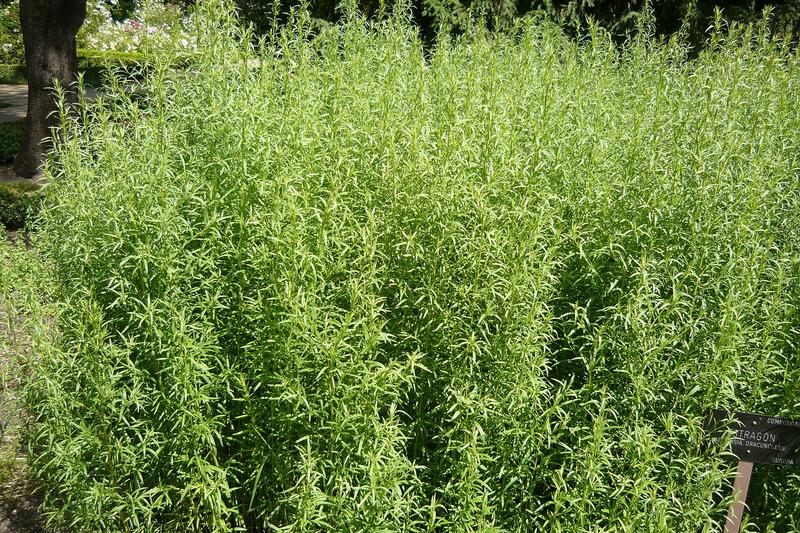
Quick facts
- Watering
- Weekly during growing season
- Sunlight
- Full sun
- Soil
- Well-drained, light, sandy loam
- Humans
- Safe
- Cats
- Safe
- Dogs
- Safe
- Height
- 60–90 cm
- Spread
- 30–45 cm
- Spacing
- 40–50 cm apart
About Tarragon
Tarragon is a perennial herb with slender, aromatic leaves and a distinctive aniseed flavour prized in French cuisine. Native to southern Europe and central Asia, it forms bushy clumps of narrow, grey-green foliage reaching 60–90 cm tall. British gardeners value French tarragon (A. dracunculus var. sativus) for its superior culinary qualities, though it requires well-drained soil and protection from wet winters. The plant rarely flowers in the UK climate, making division the primary propagation method.
UK fact: French tarragon struggles in heavy British clay soils and wet winters, leading many UK gardeners to grow it in containers or raised beds where drainage can be carefully controlled—a practice particularly common in wetter western regions.
Watering Tarragon
Tarragon is drought-tolerant once established and dislikes waterlogged conditions, making it well-suited to drier UK summers. Water weekly during active growth from April to September, reducing frequency in cooler, wetter periods typical of British weather. In winter, container-grown plants need minimal watering—just enough to prevent complete drying out. Overwatering, particularly in heavy soils during wet British autumns and winters, is the most common cause of plant failure.
Sunlight requirements
Position tarragon in full sun with at least six hours of direct sunlight daily, ideally in a south-facing spot. In the UK, a warm, sheltered position against a south-facing wall is ideal, particularly in northern regions where summers are cooler. Insufficient light results in leggy growth and diminished flavour intensity.
Soil and feeding
Grow tarragon in well-drained, light soil with a neutral to slightly alkaline pH of 6.5–7.5. Heavy clay soils common across much of the UK must be improved with horticultural grit and organic matter, or plants grown in raised beds or containers. Avoid rich, moisture-retentive soils which encourage soft growth prone to winter rot. Sandy soils in southern and eastern England are ideal, whilst gardeners on heavier ground should consider container cultivation using a loam-based compost mixed with extra grit.
Apply a light dressing of general-purpose fertiliser or well-rotted compost in early spring as new growth emerges. Avoid high-nitrogen feeds which produce lush foliage with reduced flavour. Container-grown plants benefit from a half-strength liquid feed monthly during the growing season, though overfed tarragon becomes rank and loses its delicate aniseed taste.
Pruning Tarragon
Harvest regularly throughout the growing season to maintain bushy, compact growth and prevent the plant becoming woody. In June or July, cut stems back by half to promote a flush of tender new leaves with the best flavour. Remove any flower buds that appear, as flowering diminishes leaf quality. In late autumn, cut plants down to ground level and apply a protective mulch of grit or bark in colder regions to improve winter drainage.
Propagating Tarragon
Divide established clumps every three to four years in March or April, separating rooted sections and replanting immediately in prepared soil. Take softwood cuttings from non-flowering shoots in May or June, rooting them in gritty compost under cover. Russian tarragon (A. dracunculus var. inodorus) grows readily from seed but has inferior flavour and is not recommended for culinary use. Division is the most reliable method for maintaining true French tarragon in British gardens.
Common problems
Tarragon is relatively trouble-free but susceptible to root rot in poorly drained soils, particularly during wet British winters. Rust can occasionally affect foliage in humid conditions, appearing as orange pustules on leaves; remove affected growth and improve air circulation. Powdery mildew may develop in dry summers on stressed plants. Slugs and snails sometimes damage young spring growth, whilst aphids can colonise soft shoot tips in early summer.
Spot a problem with your plant? Photograph the affected area using the Loam app and it will suggest the most likely cause and treatment.
Safety
- Humans
- Safe
- Cats
- Safe
- Dogs
- Safe
Toxicity information is for general guidance only.
Seasonal care calendar
Monthly care guide for Tarragon in the UK, based on average conditions.
| Month | Care tasks |
|---|---|
| January | No action needed. Plants are dormant; protect containers from excessive winter wet. |
| February | Check winter protection remains in place. Prepare planting sites for new divisions next month. |
| March | Divide established clumps as new growth emerges. Plant new divisions in prepared, well-drained soil. |
| April | Apply light spring feed. Begin regular harvesting as foliage develops. Water if conditions are dry. |
| May | Harvest regularly to encourage bushy growth. Take softwood cuttings mid to late month. Water weekly in dry spells. |
| June | Cut back stems by half to promote fresh growth. Continue taking softwood cuttings. Remove any flower buds. |
| July | Harvest leaves for fresh use or freezing. Water during dry periods. Monitor for aphids on new growth. |
| August | Continue harvesting. Reduce watering as growth slows. Check for powdery mildew in dry weather. |
| September | Final harvests before flavour declines. Reduce watering as autumn rains arrive. |
| October | Cut back stems to ground level late in the month. Apply protective grit mulch in colder regions. |
| November | Ensure good drainage around plants. Move containers to sheltered spots or protect from excessive wet. |
| December | No action needed. Check winter protection on containers during wet spells. |
Frequently asked questions
- When should I divide tarragon in the UK?
- Divide French tarragon in early spring (March-April) just as new growth emerges, or in early autumn (September). Lift the entire clump, separate into sections with healthy roots and shoots, and replant immediately in well-drained soil. Division every 3-4 years rejuvenates plants, prevents woody centres, and maintains the intense aniseed flavour that makes French tarragon valuable in the kitchen.
- Why are my tarragon leaves turning yellow?
- Yellowing tarragon leaves typically indicate waterlogged soil, particularly common in heavy clay during wet periods, though overwatering in containers, nutrient deficiencies, or root congestion can also cause this. Check soil drainage first and reduce watering if growing in pots. For accurate diagnosis of your specific plant's symptoms and personalised care advice based on your conditions, the Loam app can analyse photos and provide tailored recommendations to restore your tarragon's health.
- Can tarragon grow in shade in the UK?
- No, tarragon requires full sun to develop its characteristic aniseed flavour and maintain healthy growth. Plants grown in partial shade become leggy, produce sparse foliage, and lose much of their culinary value as essential oil production diminishes. Choose the sunniest spot in your garden or position containers where they receive at least 6-8 hours of direct sunlight daily, particularly important in the UK's lower light levels.
Got a question about growing Tarragon that isn't covered here? Ask the Garden Advisor in the Loam app. It knows your saved plants and local conditions.
Related plants
This page was compiled with AI assistance and reviewed by our team. .