Summer Savory
Satureja hortensis
Herbs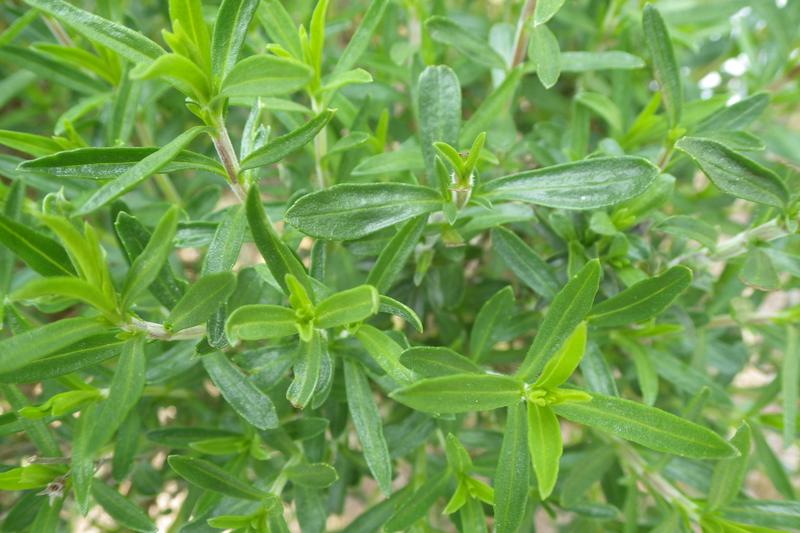
Quick facts
- Watering
- Weekly once established
- Sunlight
- Full sun
- Soil
- Well-drained, moderately fertile, neutral to alkaline
- Humans
- Safe
- Cats
- Safe
- Dogs
- Safe
- Height
- 30–45 cm
- Spread
- 20–30 cm
- Spacing
- 20–25 cm apart
About Summer Savory
Summer Savory is a bushy annual herb native to the Mediterranean, growing to around 30–45 cm tall with slender, aromatic leaves and delicate pale pink or white flowers in summer. Its peppery, slightly spicy flavour has made it a traditional companion to beans and pulses in British cottage gardens for centuries. UK gardeners value it for its culinary versatility, ease of cultivation, and ability to thrive in sunny borders and containers. The plant's compact habit and attractive blooms also make it a useful addition to herb gardens and edging schemes.
UK fact: Summer Savory was grown extensively in medieval British monastery gardens and was considered one of the essential culinary herbs, often planted alongside winter savory to provide year-round flavouring for bean dishes.
Watering Summer Savory
Young plants need consistent moisture until well-rooted, typically for the first three to four weeks after planting out. Once established, water weekly during dry spells, providing approximately 2.5 cm of water per week. Summer Savory is relatively drought-tolerant and dislikes waterlogged conditions, so err on the side of underwatering rather than overwatering. In containers, check soil moisture every few days during hot UK summers and water when the top 2–3 cm feels dry.
Sunlight requirements
Position in a south or west-facing spot that receives at least six hours of direct sunlight daily. In the UK, plants grown in shadier positions become leggy and produce less aromatic foliage. Container-grown specimens can be moved to follow the sun during our variable summer weather.
Soil and feeding
Summer Savory performs best in light, well-drained soils with a pH between 6.5 and 7.5, though it tolerates slightly alkaline conditions well. Heavy clay soils should be improved with horticultural grit and organic matter to ensure adequate drainage, as waterlogged roots quickly lead to rot. The plant doesn't require rich soil and actually develops stronger flavour in moderately fertile conditions. For container growing, use a soil-based compost such as John Innes No. 2 mixed with additional grit for drainage.
As an annual herb that prefers lean conditions, Summer Savory needs little supplementary feeding. Overfertilising produces lush but less flavourful foliage. If growing in containers or very poor soil, apply a half-strength balanced liquid feed once in mid-summer to support continued leaf production.
Pruning Summer Savory
Begin harvesting shoots when plants reach 15–20 cm tall, cutting stems just above a leaf node to encourage branching. Regular picking throughout the growing season keeps plants compact and productive. Pinch out flower buds as they appear to prolong leaf production, though allowing some flowers to develop attracts beneficial insects. If plants become leggy, cut back by one-third to stimulate fresh, tender growth.
Propagating Summer Savory
Summer Savory is most commonly propagated from seed, which germinates readily in warm soil. In the UK, sow directly outdoors from late April to June once soil temperatures reach 15°C, or start indoors in March for earlier crops. Seeds are tiny and should be surface-sown or barely covered, as they need light to germinate. Germination typically occurs within 10–14 days at 18–21°C.
Common problems
Summer Savory is generally trouble-free and resistant to most pests and diseases when grown in suitable conditions. Overwatering or poorly drained soil can lead to root rot and fungal issues, particularly during wet UK summers. Aphids occasionally colonise young shoot tips but are easily controlled with insecticidal soap or by encouraging natural predators. Slugs may damage young seedlings in spring, so protect with organic slug pellets or barriers until plants are established.
Spot a problem with your plant? Photograph the affected area using the Loam app and it will suggest the most likely cause and treatment.
Safety
- Humans
- Safe
- Cats
- Safe
- Dogs
- Safe
Toxicity information is for general guidance only.
Seasonal care calendar
Monthly care guide for Summer Savory in the UK, based on average conditions.
| Month | Care tasks |
|---|---|
| January | No action needed. Plan crop rotation and order seeds for spring sowing. |
| February | Prepare seed trays and compost for indoor sowing later in the month in heated propagators. |
| March | Sow seeds indoors in modules at 18–21°C for early crops. Prepare outdoor beds by incorporating grit if needed. |
| April | Continue indoor sowings. Harden off early-sown plants. Direct sow outdoors from late April in milder regions. |
| May | Plant out hardened-off seedlings after frosts. Direct sow outdoors. Begin light harvesting from indoor-sown plants. |
| June | Make final sowings for late summer harvest. Water during dry spells. Begin regular harvesting to encourage bushiness. |
| July | Harvest regularly to maintain tender growth. Pinch out flower buds to prolong leaf production. Water containers frequently. |
| August | Continue harvesting. Allow some plants to flower for seed saving and to attract pollinators. Cut back leggy growth. |
| September | Harvest heavily before first frosts. Collect and dry seed heads for next year. Dry or freeze excess leaves. |
| October | Final harvest before plants succumb to frost. Clear spent plants and add to compost. Store dried seeds. |
| November | No action needed. Clean and store pots and tools ready for next season. |
| December | No action needed. Review growing notes and plan next year's herb garden layout. |
Frequently asked questions
- When should I sow Summer Savory seeds in the UK?
- Sow Summer Savory seeds outdoors from mid-April to June once soil temperatures reach at least 10°C, or start indoors in March for earlier crops. Sow thinly on the surface of moist compost as seeds need light to germinate, which takes 10-14 days. Thin seedlings to 20 cm apart. For continuous harvest, make successive sowings every three weeks until early July.
- Why are my Summer Savory leaves turning yellow?
- Yellowing leaves typically indicate overwatering, poor drainage, or nutrient deficiency. Summer Savory prefers well-drained soil and dislikes waterlogged conditions. Check soil moisture before watering and ensure pots have adequate drainage. If drainage is good, feed with a balanced liquid fertiliser. The Loam app can help diagnose specific leaf problems through photo analysis and provide personalised watering schedules based on your conditions.
- What culinary herbs grow well alongside Summer Savory?
- Summer Savory is an excellent companion in herb gardens, thriving alongside basil, thyme, oregano, and parsley as they share similar sun and drainage requirements. It particularly benefits beans and onions when planted nearby, reportedly improving their flavour and deterring pests. Avoid planting near mint or other invasive herbs that may compete for space. Space companion herbs at least 20-30 cm apart for good air circulation.
Got a question about growing Summer Savory that isn't covered here? Ask the Garden Advisor in the Loam app. It knows your saved plants and local conditions.
Related plants
This page was compiled with AI assistance and reviewed by our team. .