Rue
Ruta graveolens
Herbs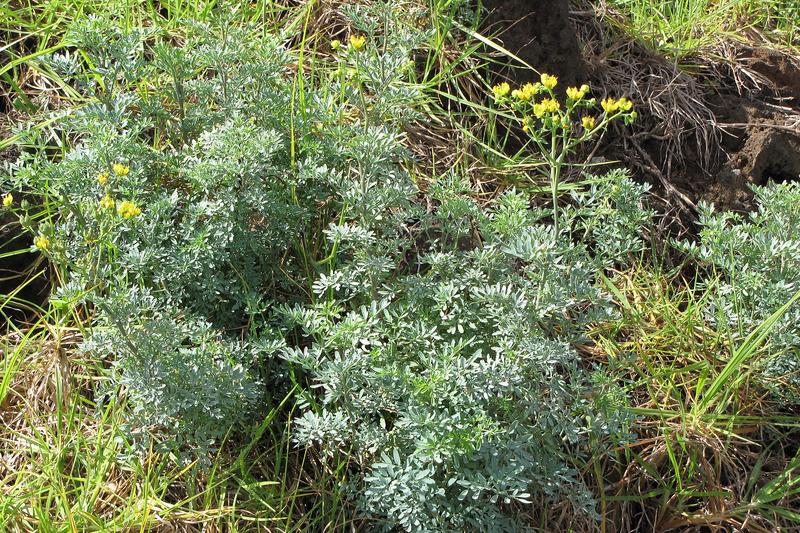
Quick facts
- Watering
- Fortnightly once established
- Sunlight
- Full sun
- Soil
- Well-drained, poor to moderately fertile
- Humans
- Toxic
- Cats
- Toxic
- Dogs
- Toxic
- Height
- 45–75 cm
- Spread
- 30–45 cm
- Spacing
- 30–45 cm apart
About Rue
Rue is a hardy, evergreen perennial herb native to the Mediterranean, prized for its distinctive blue-green foliage and small yellow flowers that appear in summer. Growing to around 60cm tall, this aromatic plant has been cultivated in British gardens since medieval times, traditionally used as a medicinal and strewing herb. UK gardeners today value rue primarily as an ornamental herb for its attractive ferny leaves and compact habit, making it ideal for herb gardens, borders, and containers. The pungent scent is said to deter cats and some garden pests, adding to its practical appeal.
UK fact: Rue has been grown in British monastery and physic gardens since the Middle Ages, and was once scattered on floors of churches and law courts to ward off plague and gaol fever—a practice that gave rise to the expression 'herb of grace'.
Watering Rue
Water newly planted rue regularly during the first growing season to help establish a strong root system. Once established, rue needs very little supplementary watering and can tolerate dry spells typical of British summers. Overwatering is the most common mistake—allow the soil to dry out between waterings, and reduce watering further in autumn and winter. In containers, water sparingly, ensuring excellent drainage to prevent root rot.
Sunlight requirements
Position rue in a sunny spot that receives at least six hours of direct sunlight daily for best results. In the UK, a south or west-facing position is ideal, though it will tolerate some light shade in warmer southern regions. Avoid heavily shaded areas, as insufficient light leads to leggy growth and reduced vigour.
Soil and feeding
Plant rue in free-draining soil with a pH of 6.5-8.0, ideally slightly alkaline. It thrives in poor to moderately fertile conditions and struggles in heavy clay or waterlogged soils—amend heavy soils with grit or sharp sand to improve drainage. Avoid adding rich compost or manure, as overly fertile soil produces lush but weak growth prone to flopping. For container growing, use a loam-based compost such as John Innes No. 2 mixed with extra grit.
Avoid feeding rue in the ground, as it thrives in poor soil and excess nutrients produce soft, floppy growth. Container-grown plants may benefit from a single application of dilute liquid seaweed feed in late spring, but this is rarely necessary. Overfed rue becomes leggy and loses its compact, attractive form.
Pruning Rue
Cut back rue by about one-third in March or early April, before new growth begins, to encourage bushy, compact growth and prevent the plant becoming woody and straggly. Remove any dead, damaged, or frost-affected stems at the same time. Deadhead spent flowers in summer if you wish to prevent self-seeding, though the seed heads can be attractive. Always wear gloves when pruning rue, as the sap can cause severe skin irritation and blistering, especially in sunlight—a condition known as phytophotodermatitis.
Propagating Rue
Sow rue seeds in spring under cover, as they need warmth to germinate reliably in the UK climate. Alternatively, take semi-ripe cuttings in July or August, which root readily and produce plants identical to the parent. Division is possible but rarely necessary, as rue develops a woody base that doesn't divide well. Self-sown seedlings often appear around established plants and can be transplanted when small.
Common problems
Rue is generally pest and disease-free, making it one of the most trouble-free herbs for UK gardens. The pungent foliage deters most pests, though aphids may occasionally appear on soft new growth in spring—these can be rubbed off by hand or treated with an organic spray. In poorly drained soil or during wet winters, root rot can occur, so ensuring excellent drainage is essential. The main issue for gardeners is the plant's phototoxic sap, which causes severe skin blistering when exposed to sunlight—always wear gloves and long sleeves when handling rue, particularly on sunny days.
Spot a problem with your plant? Photograph the affected area using the Loam app and it will suggest the most likely cause and treatment.
Safety
- Humans
-
Toxic
Rue is toxic if ingested and can cause severe stomach upset, vomiting, and liver damage. The sap causes phytophotodermatitis—severe skin blistering when exposed to sunlight. Always wear gloves when handling and keep away from children.
- Cats
-
Toxic
Toxic to cats if ingested, causing vomiting, drooling, and digestive upset. Ironically, while the strong scent deters many cats, ingestion can be harmful.
- Dogs
-
Toxic
Toxic to dogs if ingested, causing vomiting, excessive drooling, abdominal pain, and potential liver damage. Keep dogs away from rue plants.
Toxicity information is for general guidance only. If a person or pet has been exposed to this plant and you are concerned, seek advice from a medical professional or vet.
Seasonal care calendar
Monthly care guide for Rue in the UK, based on average conditions.
| Month | Care tasks |
|---|---|
| January | No action needed. Established plants are dormant and require no attention during winter. |
| February | Check plants after severe frost and remove any obviously damaged stems, but delay main pruning until March. |
| March | Prune back by one-third to encourage compact growth. Sow seeds under cover at 15-18°C. Wear gloves when handling. |
| April | Continue sowing seeds. Prick out seedlings into individual pots. Plant out container-grown plants in mild regions. |
| May | Plant out young plants after hardening off, spacing 30-45cm apart. Water new plantings regularly to establish. |
| June | Enjoy the yellow flowers. Deadhead if you wish to prevent self-seeding. Reduce watering as plants establish. |
| July | Take semi-ripe cuttings from non-flowering shoots. Continue deadheading. Water container plants sparingly during dry spells. |
| August | Continue taking cuttings until mid-month. Allow some flowers to set seed if you want self-sown seedlings next year. |
| September | Pot on rooted cuttings. Collect seed if desired and sow immediately or store in a cool, dry place until spring. |
| October | Reduce watering as growth slows. Transplant self-sown seedlings to desired positions while still small. |
| November | Protect container-grown plants from excessive winter wet by moving under cover or raising pots on feet for drainage. |
| December | No action needed. Evergreen foliage provides winter interest in mild areas. |
Frequently asked questions
- When should I prune rue?
- Prune rue in early spring, ideally in March or early April before new growth begins. Cut back the plant by about one-third to maintain a compact, bushy shape and remove any winter-damaged stems. Always wear gloves when pruning to avoid skin irritation from the sap.
- Why is my rue plant becoming leggy and floppy?
- Leggy growth in rue is usually caused by too much shade, overly rich soil, or excessive feeding. Rue naturally prefers full sun and poor to moderately fertile soil. Move container plants to a sunnier spot, avoid feeding, and prune back hard in spring to encourage compact, bushy growth. The Loam app can help diagnose growth problems and provide personalised care advice based on your specific growing conditions.
- Can I grow rue from seed?
- Yes, rue is easily grown from seed sown in spring. Sow seeds in pots of seed compost from March to May, barely covering them as they need light to germinate. Keep at 15-20°C and expect germination in 2-3 weeks. Prick out seedlings when large enough to handle and grow on in individual pots before planting out after the last frosts. Alternatively, take semi-ripe cuttings in summer for quicker results.
Got a question about growing Rue that isn't covered here? Ask the Garden Advisor in the Loam app. It knows your saved plants and local conditions.
Related plants
This page was compiled with AI assistance and reviewed by our team. .