Fountain Grass
Pennisetum alopecuroides
Grasses and Ferns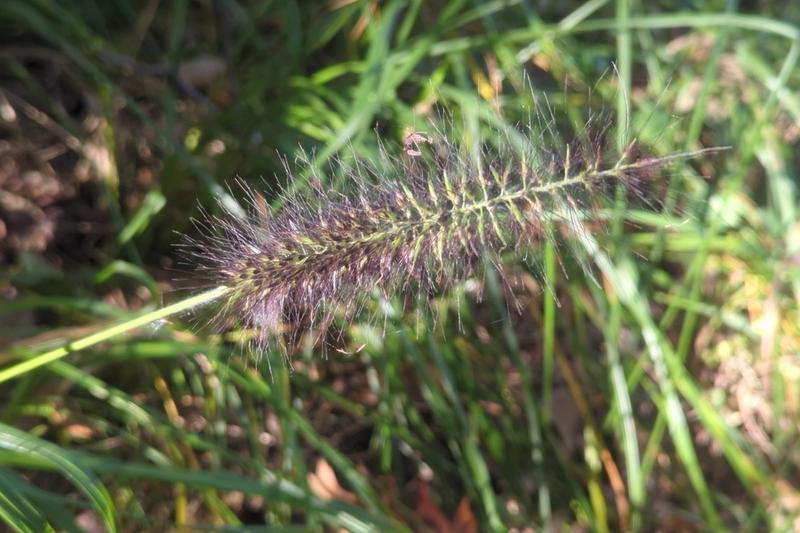
Quick facts
- Watering
- Weekly when establishing
- Sunlight
- Full sun
- Soil
- Well-drained, moderately fertile
- Humans
- Safe
- Cats
- Safe
- Dogs
- Safe
- Height
- 60–100 cm
- Spread
- 60–90 cm
- Spacing
- 60–75 cm apart
- RHS recognition
- Award of Garden Merit
About Fountain Grass
Fountain Grass is a graceful deciduous ornamental grass native to eastern Asia and Australia, prized for its arching foliage and bottlebrush-like flower plumes. From midsummer through autumn, it produces stunning pink-tinged to purple flower heads that age to golden-beige, creating movement and texture in the garden. UK gardeners value it for its long season of interest, low maintenance requirements, and ability to provide structure in mixed borders and prairie-style plantings. The foliage turns attractive shades of gold and bronze in autumn before dying back in winter.
UK fact: Several cultivars of Pennisetum alopecuroides hold the RHS Award of Garden Merit, including 'Hameln' and 'Herbstzauber', recognising their excellent performance and reliability in British gardens where they thrive despite our cooler summers.
Watering Fountain Grass
Water newly planted Fountain Grass regularly during its first growing season to establish a deep root system, typically once or twice weekly during dry spells. Once established after the first year, it becomes remarkably drought-tolerant and rarely needs supplementary watering in the UK except during prolonged summer droughts. Avoid waterlogging, particularly in winter, as this can lead to crown rot. In containers, water more frequently as the compost dries out, ensuring good drainage.
Sunlight requirements
Fountain Grass performs best in full sun, requiring at least six hours of direct sunlight daily to produce its most abundant flowering display. In the UK, position it in south or west-facing borders where it will receive maximum light. Whilst it tolerates light partial shade, flowering will be reduced and the plant may become lax and less compact in shadier positions.
Soil and feeding
Fountain Grass thrives in well-drained soil of average to moderate fertility, tolerating a wide range of soil types from sandy to clay loams provided drainage is adequate. It prefers a neutral to slightly acidic pH of 6.0-7.5 but adapts to most garden soils. Improve heavy clay soils with grit or sharp sand to enhance drainage, as waterlogged conditions, especially in winter, can prove fatal. Avoid overly rich soils which can lead to lax growth and reduced flowering.
Fountain Grass requires minimal feeding and often performs best in moderately fertile rather than rich soils. Apply a balanced slow-release fertiliser in early spring as new growth emerges, or a light dressing of garden compost around the base. Avoid high-nitrogen feeds which promote excessive foliage at the expense of flowers and can reduce winter hardiness.
Pruning Fountain Grass
Leave the dried foliage and flower heads standing throughout winter as they provide valuable structure, movement, and shelter for overwintering insects. Cut back all dead growth to within 10-15 cm of the ground in late February or early March, just before new growth begins. Use sharp secateurs or shears and gather the foliage together before cutting to make the task easier. Divide congested clumps every 3-5 years in spring to maintain vigour.
Propagating Fountain Grass
Fountain Grass is most easily propagated by division in spring as new growth emerges, typically from March to early May in the UK. Lift established clumps with a garden fork and use a sharp spade or knife to divide the crown into sections, ensuring each piece has healthy roots and several growing points. Replant divisions immediately at the same depth, water well, and they will establish quickly. Seed propagation is possible but cultivars will not come true to type, and seedlings can take 2-3 years to reach flowering size.
Common problems
Fountain Grass is generally trouble-free with few serious pest or disease problems in UK gardens. The main issue is crown rot caused by waterlogged soil, particularly during wet winters, so ensuring good drainage is essential. Rust can occasionally affect the foliage in humid conditions, appearing as orange pustules on leaves; remove affected foliage and improve air circulation. Slugs may damage emerging shoots in spring, so apply organic slug controls if necessary. In very cold, wet winters without snow cover, some plants may succumb, particularly on heavy soils.
Spot a problem with your plant? Photograph the affected area using the Loam app and it will suggest the most likely cause and treatment.
Safety
- Humans
- Safe
- Cats
- Safe
- Dogs
- Safe
Toxicity information is for general guidance only.
Seasonal care calendar
Monthly care guide for Fountain Grass in the UK, based on average conditions.
| Month | Care tasks |
|---|---|
| January | Leave dried foliage standing for winter interest and wildlife habitat. |
| February | Cut back all dead growth to 10-15 cm above ground level in late February. |
| March | Apply slow-release fertiliser as new growth emerges. Divide congested clumps if needed. |
| April | Plant new specimens. Water regularly to establish. Watch for slug damage on new shoots. |
| May | Continue watering newly planted grasses during dry spells. Foliage grows rapidly. |
| June | Water during prolonged dry periods. First flower plumes begin to emerge. |
| July | Flowering begins in earnest. Ensure adequate water for container-grown plants. |
| August | Peak flowering period with attractive bottlebrush plumes. Deadhead if self-seeding is unwanted. |
| September | Flowers mature to golden-beige. Foliage begins autumn colour transformation. |
| October | Enjoy autumn foliage colours and dried seed heads. Reduce watering. |
| November | Leave dried foliage and seed heads standing for winter structure and interest. |
| December | Appreciate winter silhouette, especially when frosted. No action needed. |
Frequently asked questions
- When should I cut back Fountain Grass in the UK?
- Cut back Fountain Grass in late February or early March, just before new growth begins. Leave the dried foliage standing throughout winter as it provides valuable structure, looks attractive when frosted, and offers shelter for beneficial insects. Cut all dead growth to within 10-15 cm of ground level using sharp secateurs or shears.
- Why is my Fountain Grass not flowering well?
- Poor flowering is usually caused by insufficient sunlight, overly rich soil, or the plant being too young. Ensure your grass receives at least six hours of direct sun daily and avoid high-nitrogen fertilisers. The Loam app can help you track sunlight levels in your garden and set reminders for appropriate feeding schedules to optimise flowering.
- Is Fountain Grass invasive in the UK?
- Pennisetum alopecuroides is not considered invasive in the UK climate as our cooler temperatures limit self-seeding. Unlike some other Pennisetum species, it forms well-behaved clumps that slowly increase in size and rarely spreads aggressively. Deadhead after flowering if you wish to prevent any self-seeding, though seedlings are easily controlled.
Got a question about growing Fountain Grass that isn't covered here? Ask the Garden Advisor in the Loam app. It knows your saved plants and local conditions.
Related plants
This page was compiled with AI assistance and reviewed by our team. .