Pampas Grass
Cortaderia selloana
Grasses and Ferns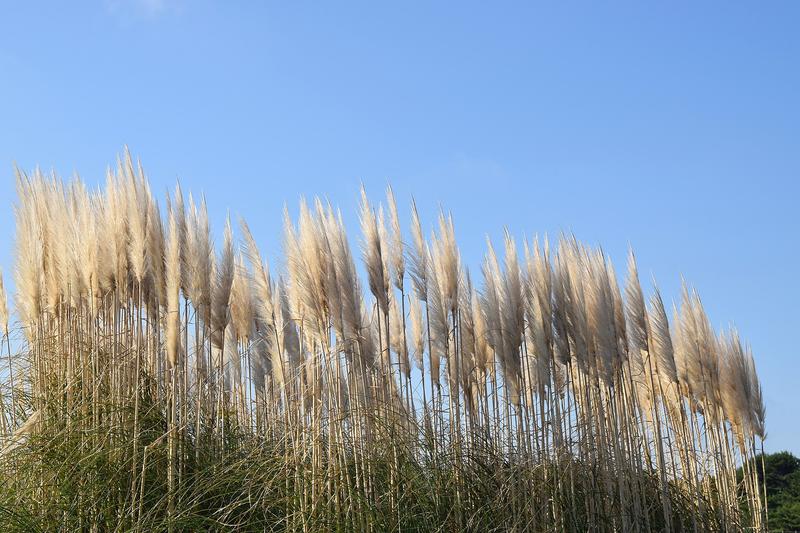
Quick facts
- Watering
- Fortnightly once established
- Sunlight
- Full sun
- Soil
- Well-drained, moderately fertile
- Humans
- Safe
- Cats
- Safe
- Dogs
- Safe
- Height
- 200–300 cm
- Spread
- 150–250 cm
- Spacing
- 180–250 cm apart
- RHS recognition
- Award of Garden Merit
About Pampas Grass
Pampas grass is a striking ornamental grass native to South America, renowned for its towering silvery-white plumes that emerge in late summer and persist through winter. Growing up to 3 metres tall, this architectural plant creates a dramatic focal point in UK gardens with its fountain-like clumps of arching evergreen foliage. British gardeners prize it for its low-maintenance nature, year-round structure, and ability to thrive in coastal conditions. The feathery plumes are also popular for dried flower arrangements and autumnal displays.
UK fact: Several Cortaderia selloana cultivars, including 'Pumila' and 'Sunningdale Silver', have received the RHS Award of Garden Merit, recognising their exceptional performance in British gardens and their reliability in the UK's temperate maritime climate.
Watering Pampas Grass
Water newly planted pampas grass weekly during the first growing season to establish a deep root system. Once established (typically after one year), it becomes remarkably drought-tolerant and requires watering only during prolonged dry spells in summer, approximately every two weeks. In typical UK conditions with regular rainfall, mature plants rarely need supplementary watering except during exceptional droughts. Avoid overwatering, as waterlogged soil can lead to root rot, particularly in heavy clay soils common across Britain.
Sunlight requirements
Pampas grass requires full sun to produce its best plumes and maintain compact, healthy growth. In the UK, position it in an open, south or west-facing location where it receives at least six hours of direct sunlight daily. Shaded positions result in fewer flowers, weak growth, and increased susceptibility to fungal diseases in our damp climate.
Soil and feeding
Pampas grass thrives in well-drained soil and tolerates a wide range of soil types, from sandy loam to clay, provided drainage is adequate. It performs best in moderately fertile soil with a pH between 6.0 and 7.5, though it adapts to slightly alkaline conditions common in chalky areas of southern England. On heavy clay soils, improve drainage by incorporating horticultural grit or planting on a slight mound. Avoid excessively rich soil, which promotes lush foliage at the expense of flowering and can make plants less hardy.
Pampas grass requires minimal feeding and excessive fertilisation can reduce flowering whilst promoting soft growth vulnerable to winter damage. Apply a balanced slow-release fertiliser such as blood, fish and bone in early spring at half the manufacturer's recommended rate. Established plants in reasonably fertile soil often require no supplementary feeding at all.
Pruning Pampas Grass
Prune pampas grass annually in late February or early March before new growth emerges, cutting the entire clump back to approximately 30-45 cm above ground level. Wear thick gloves, long sleeves, and eye protection, as the leaf edges are extremely sharp and can cause nasty cuts. Some gardeners tie the foliage into a bundle before cutting to make the task easier and safer. Never burn pampas grass in situ, despite this being a common myth, as it can damage the crown and is dangerous; always remove cut material to the compost heap or green waste.
Propagating Pampas Grass
Pampas grass is most reliably propagated by division in spring (April to May) when new growth appears. Dig up an established clump and use a sharp spade or saw to divide it into sections, ensuring each piece has healthy roots and several shoots. Divisions establish quickly when replanted immediately at the same depth in prepared soil. Growing from seed is possible but results are variable, plants take several years to flower, and seedlings may not come true to type. Female plants produce the best plumes, so vegetative propagation from a known good specimen ensures quality.
Common problems
Pampas grass is generally pest and disease-free in the UK, though it can occasionally suffer from fungal leaf spot in persistently damp conditions, particularly in shaded or poorly ventilated positions. The sharp leaf edges pose the main problem, causing cuts to gardeners and passersby, so position plants away from paths and play areas. In mild, wet UK winters, old foliage can become tatty and harbour slugs at the base; annual pruning prevents this. Some cultivars can self-seed prolifically in mild coastal areas of south-west England and Wales, so deadhead spent plumes if this is a concern in your garden.
Spot a problem with your plant? Photograph the affected area using the Loam app and it will suggest the most likely cause and treatment.
Safety
- Humans
- Safe
- Cats
- Safe
- Dogs
- Safe
Toxicity information is for general guidance only.
Seasonal care calendar
Monthly care guide for Pampas Grass in the UK, based on average conditions.
| Month | Care tasks |
|---|---|
| January | No action needed; old plumes provide winter structure and interest. |
| February | Cut back entire clump to 30-45 cm in late February, wearing protective clothing. |
| March | Apply slow-release fertiliser if needed; new shoots will emerge from the crown. |
| April | Divide established clumps if propagation is desired; water new plantings weekly. |
| May | Continue watering new plantings; foliage grows rapidly in warm weather. |
| June | Water during dry spells; foliage reaches full height by month's end. |
| July | Water established plants only during prolonged drought; flower stems begin to emerge. |
| August | Plumes begin to appear and expand; no intervention required. |
| September | Plumes reach full size and beauty; ideal time to cut stems for dried arrangements. |
| October | Enjoy the autumn display; plumes remain attractive through the season. |
| November | Leave foliage and plumes intact for winter structure and protection. |
| December | No action needed; plumes provide architectural interest in the winter garden. |
Frequently asked questions
- When should I cut back pampas grass in the UK?
- Cut back pampas grass in late February or early March before new growth emerges, reducing the entire clump to 30-45 cm above ground level. Always wear thick gloves and protective clothing as the leaf edges are razor-sharp. Never cut back in autumn, as the foliage protects the crown through winter and provides valuable structure in the garden.
- Why isn't my pampas grass flowering?
- Pampas grass may fail to flower due to insufficient sunlight, excessive shade, overly rich soil, or because it's too young (plants typically take 2-3 years to flower from planting). The Loam app can help you track your plant's age and growing conditions, sending reminders to adjust care and diagnose issues affecting flowering performance.
- Can pampas grass survive in coastal gardens?
- Yes, pampas grass is exceptionally well-suited to coastal conditions and thrives in seaside gardens throughout the UK. It tolerates salt spray, strong winds, and sandy soils, making it an ideal choice for exposed coastal locations where many other ornamental grasses struggle. Its robust nature and drought tolerance once established make it virtually maintenance-free in maritime climates.
Got a question about growing Pampas Grass that isn't covered here? Ask the Garden Advisor in the Loam app. It knows your saved plants and local conditions.
Related plants
This page was compiled with AI assistance and reviewed by our team. .