Switch Grass
Panicum virgatum
Grasses and Ferns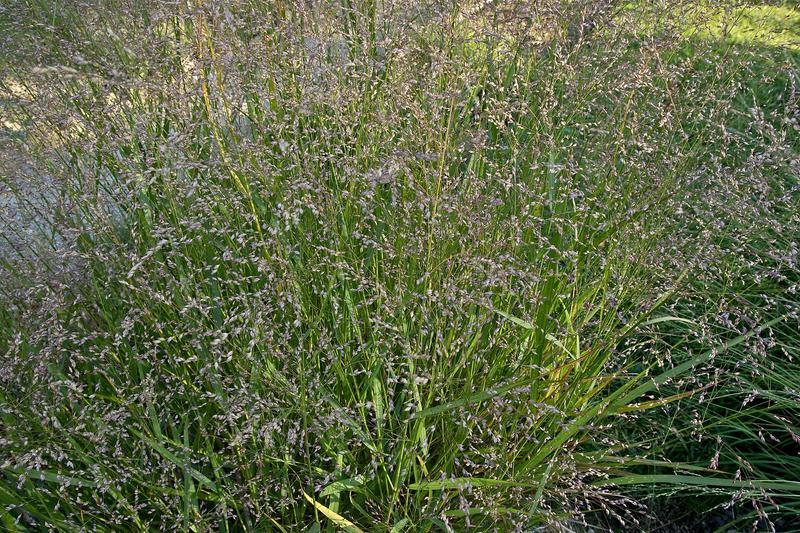
Quick facts
- Watering
- Fortnightly once established
- Sunlight
- Full sun
- Soil
- Well-drained, moderately fertile
- Humans
- Safe
- Cats
- Safe
- Dogs
- Safe
- Height
- 90–180 cm
- Spread
- 60–90 cm
- Spacing
- 60–75 cm apart
- RHS recognition
- Award of Garden Merit
About Switch Grass
Switch Grass is a tall, upright ornamental grass native to North American prairies, prized in UK gardens for its architectural form and year-round interest. Growing 90–180 cm tall, it produces airy panicles of flowers in late summer that age to attractive seed heads, whilst the foliage turns shades of gold, orange, and burgundy in autumn. This deciduous perennial is exceptionally hardy and drought-tolerant once established, making it ideal for low-maintenance prairie-style plantings and naturalistic borders. Its vertical habit and movement in the breeze add texture and structure to contemporary UK garden designs.
UK fact: Switch Grass has been awarded the RHS Award of Garden Merit for its outstanding garden performance in British conditions, with cultivars such as 'Heavy Metal' and 'Shenandoah' particularly valued for their reliability and autumn colour in the UK climate.
Watering Switch Grass
Water regularly during the first growing season to establish a deep root system, providing approximately 2.5 cm of water weekly during dry spells. Once established, Switch Grass is remarkably drought-tolerant and typically requires watering only during prolonged dry periods in the UK, roughly every two weeks in summer if rainfall is scarce. Avoid overwatering, as this warm-season grass is adapted to prairie conditions and performs poorly in waterlogged soil. In typical British summers with regular rainfall, established plants rarely need supplementary watering.
Sunlight requirements
Switch Grass performs best in full sun, requiring at least six hours of direct sunlight daily to develop its characteristic upright form and vibrant autumn colour. In the UK, position in south or west-facing borders where it will receive maximum light exposure. Whilst it tolerates light shade, plants grown in shadier positions tend to become lax and may flop, particularly in wet British summers.
Soil and feeding
Switch Grass thrives in a wide range of soil types, from sandy to clay, provided drainage is adequate. It prefers moderately fertile soil with a pH between 5.5 and 7.5, though it tolerates both slightly acidic and alkaline conditions common across the UK. Avoid overly rich soils, which can cause lush growth prone to flopping, particularly in wet British weather. On heavy clay, improve drainage by incorporating grit or sharp sand before planting to prevent winter waterlogging.
Switch Grass requires minimal feeding and actually performs better in lean to moderately fertile soils. If growing in very poor soil, apply a light dressing of general-purpose fertiliser in early spring as new growth emerges, but avoid high-nitrogen feeds which promote soft, floppy growth. In most UK garden soils, no supplementary feeding is necessary.
Pruning Switch Grass
Cut back all dead foliage and stems to ground level in late February or early March, just before new growth begins. Leave the attractive seed heads and bleached winter foliage standing throughout autumn and winter, as they provide valuable structure, movement, and wildlife habitat during the dormant months. Use sharp secateurs or hedging shears to cut the entire clump back to approximately 10 cm above soil level. If clumps become congested or die out in the centre after several years, divide in spring.
Propagating Switch Grass
Switch Grass is most easily propagated by division in spring, just as new growth emerges in March or April. Lift established clumps with a garden fork and use two forks back-to-back or a sharp spade to divide the crown into sections, ensuring each division has healthy roots and several growing points. Replant divisions immediately at the same depth, spacing them 60–75 cm apart, and water well until established. Seed propagation is possible but cultivars will not come true to type; sow fresh seed in spring in a cold frame, though germination can be erratic in the UK climate.
Common problems
Switch Grass is remarkably trouble-free in UK gardens, with few significant pest or disease problems. Rust may occasionally appear as orange pustules on leaves in humid conditions, but this is rarely serious and can be managed by improving air circulation and avoiding overhead watering. Aphids may colonise new growth in spring but are easily controlled by natural predators or a jet of water. The main cultural problem is flopping in overly rich soil or shade; ensure plants receive full sun and avoid high-nitrogen fertilisers to maintain the upright habit.
Spot a problem with your plant? Photograph the affected area using the Loam app and it will suggest the most likely cause and treatment.
Safety
- Humans
- Safe
- Cats
- Safe
- Dogs
- Safe
Toxicity information is for general guidance only.
Seasonal care calendar
Monthly care guide for Switch Grass in the UK, based on average conditions.
| Month | Care tasks |
|---|---|
| January | Leave standing foliage and seed heads for winter structure and wildlife value. |
| February | Cut back all dead growth to ground level in late February before new shoots emerge. |
| March | Complete pruning if not done in February. Divide established clumps. Plant new specimens. |
| April | New growth emerges. Water newly planted specimens regularly. Apply light feed if soil is very poor. |
| May | Continue watering new plantings. Foliage develops rapidly in warm weather. |
| June | Water during dry spells, especially young plants. Foliage reaches full height. |
| July | Flower panicles begin to emerge. Water established plants only during prolonged drought. |
| August | Flowering continues with airy panicles creating movement. Reduce watering as plants mature. |
| September | Seed heads develop and foliage begins autumn colour transformation. Enjoy the display. |
| October | Autumn colour peaks with gold, orange, and burgundy tones. Leave seed heads standing. |
| November | Foliage bleaches to attractive buff tones. Leave standing for winter interest. |
| December | Enjoy winter structure and seed heads catching frost. No action needed. |
Frequently asked questions
- When should I cut back Switch Grass in the UK?
- Cut back Switch Grass in late February or early March, just before new growth emerges. Leave the attractive seed heads and foliage standing throughout winter for structure, wildlife habitat, and visual interest, then cut the entire clump to 10 cm above ground level in late winter.
- Why is my Switch Grass flopping over?
- Switch Grass flops when grown in too much shade, overly rich soil, or with excessive nitrogen fertiliser. The Loam app can help you diagnose the specific cause based on your growing conditions and provide personalised advice to prevent flopping in future seasons.
- Does Switch Grass need dividing and how often?
- Switch Grass benefits from division every 4–6 years if the centre of the clump dies out or flowering diminishes. Divide in spring as new growth emerges, using two forks back-to-back to split the crown into sections with healthy roots and growing points.
Got a question about growing Switch Grass that isn't covered here? Ask the Garden Advisor in the Loam app. It knows your saved plants and local conditions.
Related plants
This page was compiled with AI assistance and reviewed by our team. .