Magnolia
Magnolia × soulangeana
Trees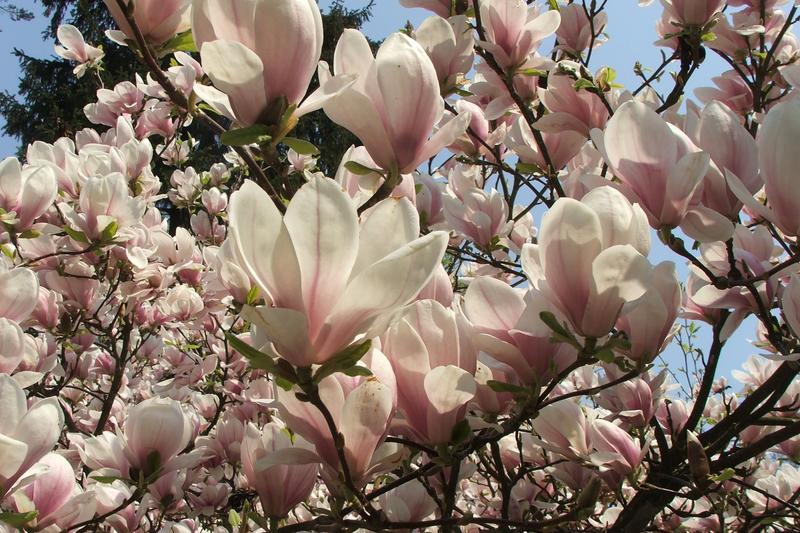
Quick facts
- Watering
- Weekly when young, fortnightly established
- Sunlight
- Full sun to partial shade
- Soil
- Moist, well-drained, slightly acidic
- Humans
- Safe
- Cats
- Safe
- Dogs
- Safe
- Height
- 400–600 cm
- Spread
- 300–500 cm
- Spacing
- 400–500 cm apart
- RHS recognition
- Award of Garden Merit
About Magnolia
Magnolia × soulangeana is a deciduous tree celebrated for its spectacular goblet-shaped flowers in shades of pink, purple, and white that appear on bare branches in early spring. This hybrid magnolia, developed in France in the 1820s, has become one of the most popular ornamental trees in British gardens. UK gardeners prize it for its reliable flowering, architectural form, and ability to thrive in sheltered positions across most of the country. Mature specimens create stunning focal points in lawns and borders, reaching a modest size suitable for medium to large gardens.
UK fact: Magnolia × soulangeana holds the RHS Award of Garden Merit and performs particularly well in southern and western Britain, where milder springs protect the early blooms from damaging frosts that can turn the delicate petals brown.
Watering Magnolia
Young magnolias require consistent moisture, particularly from April to September, so water deeply once or twice weekly during dry weather. Established trees are reasonably drought-tolerant but benefit from watering during extended dry periods, especially when flower buds are forming in late summer. Apply a 5-8cm mulch of organic matter around the root zone to retain moisture and keep roots cool. Avoid waterlogging, which can lead to root rot in heavy clay soils.
Sunlight requirements
Position in full sun for the best flowering display, though light dappled shade during the hottest part of the day is beneficial in southern England. Avoid north-facing or exposed sites where cold winds and late frosts can damage early blooms. A sheltered spot against a south or west-facing wall provides ideal protection in colder regions.
Soil and feeding
Plant in moisture-retentive but well-drained soil enriched with plenty of organic matter such as leaf mould or well-rotted compost. Magnolias thrive in slightly acidic to neutral conditions (pH 5.5-7.0) and may develop chlorosis on alkaline soils. If your soil is chalky, incorporate ericaceous compost and sulphur chips at planting time, or consider growing in a large container filled with ericaceous compost. Heavy clay soils should be improved with grit and organic matter to prevent waterlogging.
Feed established magnolias in March with a general-purpose slow-release fertiliser such as blood, fish and bone or Growmore. Avoid high-nitrogen feeds which promote soft growth at the expense of flowers. A 5-8cm mulch of well-rotted manure or compost applied in spring provides additional nutrients and improves soil structure.
Pruning Magnolia
Prune only when essential, as magnolias resent hard pruning and are slow to recover from large wounds. Remove any dead, diseased, or crossing branches in July or August after flowering has finished, when wounds heal most readily. Avoid pruning in winter or early spring as cuts bleed sap profusely. Young trees may be lightly shaped to develop a balanced framework, but mature specimens are best left unpruned except for essential maintenance.
Propagating Magnolia
Semi-ripe cuttings taken in July or August offer the most reliable propagation method for home gardeners, though success rates can be variable. Layering is slower but more dependable, taking 12-18 months to produce rooted plants. Magnolia × soulangeana, being a hybrid, does not come true from seed. Grafting onto rootstock is the commercial method but requires specialist skills and equipment.
Common problems
Magnolias are generally trouble-free but can suffer from honey fungus, particularly in established gardens with infected tree stumps. Coral spot may affect dead wood, so remove any dieback promptly. Late spring frosts are the main cultural problem, turning the delicate flowers brown; choose sheltered planting positions and consider later-flowering cultivars in frost-prone areas. Chlorosis (yellowing leaves) indicates alkaline soil and requires treatment with sequestered iron and soil acidification.
Spot a problem with your plant? Photograph the affected area using the Loam app and it will suggest the most likely cause and treatment.
Safety
- Humans
- Safe
- Cats
- Safe
- Dogs
- Safe
Toxicity information is for general guidance only.
Seasonal care calendar
Monthly care guide for Magnolia in the UK, based on average conditions.
| Month | Care tasks |
|---|---|
| January | No action needed. Avoid pruning as cuts will bleed sap. |
| February | Monitor developing flower buds. Protect from severe frost with fleece if necessary. |
| March | Apply slow-release fertiliser and refresh mulch. Enjoy the spectacular flower display on bare branches. |
| April | Flowering continues into early April. Water young trees if weather is dry. Plant new specimens. |
| May | Foliage emerges after flowering. Continue watering young trees weekly during dry spells. |
| June | Water during dry weather, particularly young specimens. Monitor for signs of chlorosis on alkaline soils. |
| July | Take semi-ripe cuttings mid to late month. Prune only if essential, removing dead or damaged wood. |
| August | Continue taking cuttings early in month. Water during prolonged dry spells as next year's flower buds develop. |
| September | Reduce watering as growth slows. Foliage begins to turn yellow before leaf fall. |
| October | Leaves fall to reveal developing flower buds for next spring. Plant new container-grown specimens. |
| November | Planting season continues. Clear fallen leaves from around the base to prevent fungal diseases. |
| December | No action needed. Tree is fully dormant with flower buds visible on bare branches. |
Frequently asked questions
- When should I prune my magnolia tree?
- Prune magnolias sparingly in midsummer (July-August) after flowering, when wounds heal quickly. Remove only dead, damaged, or crossing branches. Avoid hard pruning as magnolias are slow to recover and flower buds form in late summer for the following spring. Never prune in winter or early spring as this removes flower buds and causes excessive bleeding of sap.
- How do I know if my magnolia has a disease or pest problem?
- Common issues include coral spot fungus (pink pustules on dead wood), honey fungus (white fungal growth under bark), scale insects (brown bumps on stems), and horse chestnut scale. Symptoms vary widely—from leaf spotting to dieback. The Loam app can help diagnose problems from photos of affected leaves, bark, or flowers, and provides personalised treatment advice based on your specific magnolia and growing conditions.
- What type of soil does magnolia prefer?
- Magnolia × soulangeana thrives in moist, well-drained, slightly acidic to neutral soil (pH 5.5-7.0). It tolerates clay if drainage is adequate but dislikes shallow chalk or very alkaline conditions which cause chlorosis. Enrich planting holes with organic matter such as leaf mould or ericaceous compost. Mulch annually with bark or compost to retain moisture and maintain soil acidity.
Got a question about growing Magnolia that isn't covered here? Ask the Garden Advisor in the Loam app. It knows your saved plants and local conditions.
Related plants
This page was compiled with AI assistance and reviewed by our team. .