Wood Rush
Luzula sylvatica
Grasses and Ferns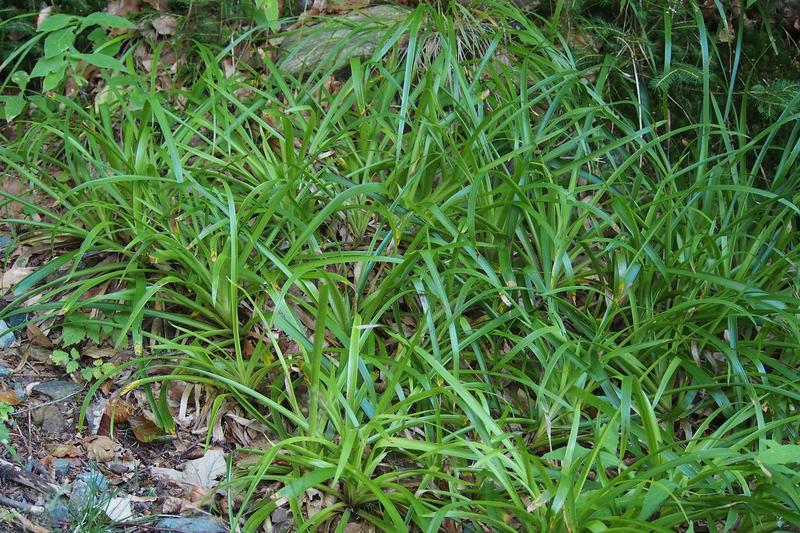
Quick facts
- Watering
- Minimal once established
- Sunlight
- Partial to full shade
- Soil
- Moist, humus-rich, well-drained
- Humans
- Safe
- Cats
- Safe
- Dogs
- Safe
- Height
- 30–60 cm
- Spread
- 40–60 cm
- Spacing
- 40–50 cm apart
- RHS recognition
- Award of Garden Merit
About Wood Rush
Wood Rush is a robust, evergreen perennial grass-like plant native to British woodlands, forming dense clumps of glossy, dark green leaves with distinctive white-hairy margins. Growing 30–60 cm tall, it produces delicate sprays of chestnut-brown flowers in spring, creating a naturalistic woodland effect. UK gardeners prize it as an excellent ground cover for shady areas where little else will thrive, particularly under trees and in damp, difficult corners. Its tolerance of deep shade, dry shade, and root competition makes it invaluable for challenging British gardens.
UK fact: Wood Rush holds the RHS Award of Garden Merit and is one of the few evergreen plants that genuinely thrives in the dry shade beneath mature trees, making it a staple recommendation for problem areas in British gardens since Victorian times.
Watering Wood Rush
Water regularly during the first growing season to establish a deep root system, particularly during dry spells in spring and early summer. Once established, Wood Rush is remarkably drought-tolerant and requires watering only during prolonged dry periods, making it ideal for low-maintenance British gardens. Plants growing in containers or very dry shade beneath conifers may need occasional watering during extended summer droughts. Avoid waterlogging, though the plant tolerates damp conditions better than most grasses.
Sunlight requirements
Wood Rush excels in partial to full shade and is one of the best choices for deep shade under trees where most plants struggle. It tolerates some morning sun but performs best on north-facing borders or beneath the canopy of deciduous and evergreen trees. In the UK, avoid hot south-facing positions which can scorch the foliage during summer heatwaves.
Soil and feeding
Wood Rush thrives in moisture-retentive, humus-rich soil with good drainage, ideally enriched with leaf mould or well-rotted compost to mimic its native woodland habitat. It tolerates a wide pH range from slightly acidic to neutral (pH 5.5–7.0) and adapts to most British garden soils including clay, loam, and sandy soils. The plant is particularly successful in the leafy, organic-rich soil found under mature trees. While it tolerates dry shade once established, it performs best with consistent moisture and benefits from mulching with leaf mould or bark chips.
Wood Rush requires minimal feeding and thrives without supplementary fertiliser in most British gardens. A light application of well-rotted compost or leaf mould as a mulch in early spring provides sufficient nutrients and helps retain moisture. Avoid high-nitrogen fertilisers which can promote lush growth at the expense of the plant's natural compact habit.
Pruning Wood Rush
Pruning is minimal but beneficial for maintaining appearance. In late winter or early spring (February to March), comb through clumps with gloved hands or a spring-tine rake to remove dead and tatty leaves before new growth emerges. Alternatively, shear back the entire clump to about 10 cm if it becomes untidy, though this is rarely necessary with healthy plants. Remove spent flower stems after flowering in late spring if desired, though many gardeners leave them for winter interest.
Propagating Wood Rush
Wood Rush is easily propagated by division in spring (March to April) or autumn (September to October). Lift established clumps with a fork and divide into sections, ensuring each piece has healthy roots and several growing points. Replant divisions immediately at the same depth, spacing them 40–50 cm apart, and water well until established. The plant can also be grown from seed sown in autumn in a cold frame, though division is quicker and more reliable for most gardeners.
Common problems
Wood Rush is remarkably trouble-free and suffers from few pests or diseases in UK gardens. Occasionally, slugs and snails may nibble young growth in spring, particularly in damp conditions, but damage is rarely severe. In very wet, poorly drained soils, crown rot can occur, so ensure adequate drainage when planting. The main cultural problem is the plant's vigorous spreading habit in ideal conditions; it can self-seed freely and may become invasive in small gardens, so remove flower heads before seed dispersal if this is a concern.
Spot a problem with your plant? Photograph the affected area using the Loam app and it will suggest the most likely cause and treatment.
Safety
- Humans
- Safe
- Cats
- Safe
- Dogs
- Safe
Toxicity information is for general guidance only.
Seasonal care calendar
Monthly care guide for Wood Rush in the UK, based on average conditions.
| Month | Care tasks |
|---|---|
| January | No action needed. Evergreen foliage provides winter interest. |
| February | Comb through clumps to remove dead leaves or shear back untidy growth before new shoots emerge. |
| March | Apply leaf mould or compost mulch. Divide established clumps if required. Complete tidying before flowering begins. |
| April | Flowering begins. Water newly planted divisions regularly. Plant out new specimens. |
| May | Main flowering period with chestnut-brown flower sprays. Water young plants during dry spells. |
| June | Flowering finishes. Remove spent flower stems if desired or leave for naturalistic effect. |
| July | Water during prolonged dry periods, especially plants in very dry shade. Monitor for self-seeding. |
| August | Continue watering during drought. Remove seedheads to prevent excessive self-seeding if necessary. |
| September | Divide established clumps if required. Plant new specimens. Water until established. |
| October | Continue planting and dividing in early autumn. Reduce watering as temperatures drop. |
| November | No action needed. Evergreen foliage remains attractive through winter. |
| December | No action needed. Foliage provides structure in winter borders. |
Frequently asked questions
- Does Wood Rush grow in dry shade under trees?
- Yes, Wood Rush is one of the best plants for dry shade and excels under trees where it tolerates root competition and low light. Once established, it requires minimal watering even in the challenging conditions beneath mature deciduous and evergreen trees, making it ideal for difficult British garden areas.
- How do I stop my Wood Rush from becoming too untidy?
- The Loam app can remind you to comb through or lightly shear your Wood Rush in late winter (February to March) before new growth emerges, removing dead leaves and maintaining a tidy appearance. Regular monitoring through the app helps you track when maintenance is due and keeps your ground cover looking its best year-round.
- Is Wood Rush invasive in UK gardens?
- Wood Rush can self-seed freely in ideal conditions and spread vigorously, which may be problematic in small gardens. However, it's easily controlled by removing flower stems before seed dispersal in late spring, and seedlings are simple to pull up. In larger woodland gardens, its spreading habit is often considered an asset for ground cover.
Got a question about growing Wood Rush that isn't covered here? Ask the Garden Advisor in the Loam app. It knows your saved plants and local conditions.
Related plants
This page was compiled with AI assistance and reviewed by our team. .