Liquorice
Glycyrrhiza glabra
Herbs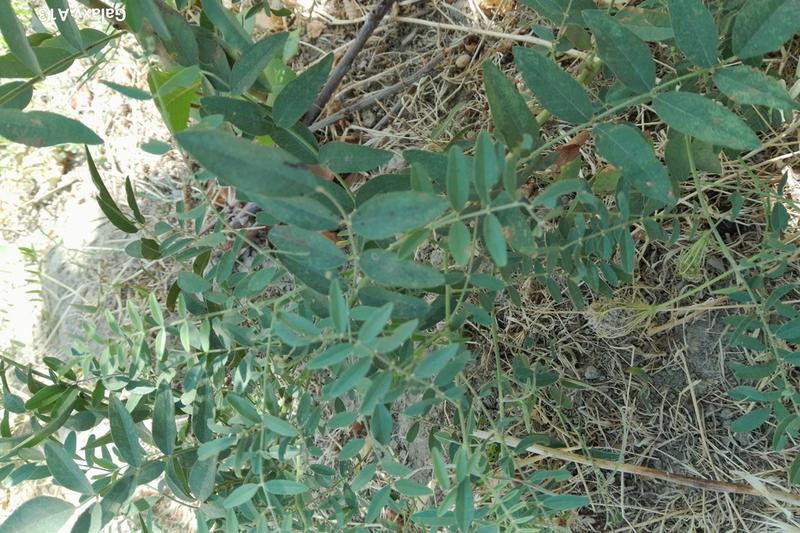
Quick facts
- Watering
- Weekly during growing season
- Sunlight
- Full sun
- Soil
- Deep, well-drained, fertile loam
- Humans
- Toxic
- Cats
- Toxic
- Dogs
- Toxic
- Height
- 90–150 cm
- Spread
- 60–90 cm
- Spacing
- 60–75 cm apart
About Liquorice
Liquorice is a hardy herbaceous perennial native to the Mediterranean and parts of Asia, grown in the UK for its sweet, aromatic roots used in confectionery and herbal remedies. The plant produces attractive pinnate leaves and spikes of pale blue to violet pea-like flowers in summer, reaching up to 1.5 metres tall. British gardeners cultivate liquorice both for its ornamental value and the challenge of harvesting roots after three to four years of growth. Though not commonly grown commercially in the UK, it thrives in sheltered gardens with deep, fertile soil.
UK fact: Liquorice was cultivated commercially in Pontefract, Yorkshire, from the 16th century until the 1960s, giving rise to the famous Pontefract cakes—small, flat liquorice sweets still produced today using imported root extract.
Watering Liquorice
Water regularly during the growing season, particularly in dry spells, to keep the soil consistently moist but never waterlogged. Established plants develop deep taproots that access moisture lower in the soil profile, making them moderately drought-tolerant once mature. In the UK, reduce watering significantly in autumn and winter when the plant is dormant. Young plants require more frequent watering in their first two years to encourage strong root establishment.
Sunlight requirements
Liquorice performs best in full sun, requiring at least six hours of direct sunlight daily to develop strong roots and healthy foliage. In the UK, choose a south-facing position sheltered from strong winds, ideally against a warm wall in cooler regions. Partial shade is tolerated but may result in slower root development and reduced vigour.
Soil and feeding
Liquorice thrives in deep, fertile, well-drained soil with a neutral to slightly alkaline pH of 6.5 to 8.0. The soil must be at least 60 cm deep to accommodate the plant's extensive taproot system, which can penetrate up to a metre. Heavy clay soils should be improved with grit and organic matter to enhance drainage, whilst sandy soils benefit from generous additions of compost to improve moisture retention. Avoid waterlogged or compacted ground, which causes root rot and poor growth.
Apply a balanced general-purpose fertiliser in early spring as new growth emerges, and mulch with well-rotted compost or manure to maintain soil fertility. Avoid high-nitrogen feeds, which promote excessive leafy growth at the expense of root development. A light top-dressing of compost in midsummer supports continued growth through the season.
Pruning Liquorice
Cut back all top growth to ground level in late autumn after the foliage has died back naturally, removing dead stems and leaves to maintain tidiness and reduce pest harbourage. No other pruning is required during the growing season, though you may remove any damaged or diseased stems as they appear. If the plant becomes too vigorous or spreads beyond its allotted space, dig up and divide the roots in early spring. Liquorice grown for root harvest should not be pruned heavily, as foliage is needed to build up the root reserves.
Propagating Liquorice
Liquorice is most easily propagated by division of established plants in early spring, separating sections of root with visible buds or shoots and replanting immediately. Root cuttings taken in late winter can also be successful: cut 10–15 cm sections of root, plant horizontally 5 cm deep in pots of gritty compost, and keep frost-free until shoots appear. Seed propagation is possible but slow and unreliable; sow fresh seed in spring after scarifying and soaking overnight, though germination can be erratic and seedlings take many years to produce harvestable roots.
Common problems
Liquorice is generally trouble-free in the UK but can suffer from root rot in poorly drained or waterlogged soils, particularly during wet winters. Aphids may colonise young shoots in spring, causing distorted growth, and can be controlled with insecticidal soap or by encouraging natural predators. Powdery mildew occasionally affects foliage in dry summers with poor air circulation; improve spacing and avoid overhead watering to reduce risk. Slugs and snails may damage emerging shoots in spring, so use organic controls or barriers around young plants.
Spot a problem with your plant? Photograph the affected area using the Loam app and it will suggest the most likely cause and treatment.
Safety
- Humans
-
Toxic
Excessive consumption of liquorice root or extract can cause serious side effects including high blood pressure, low potassium levels, and heart problems. Pregnant women and those with hypertension, kidney disease, or heart conditions should avoid liquorice. Moderate culinary use is generally safe for most people.
- Cats
-
Toxic
Liquorice contains glycyrrhizin, which can cause gastrointestinal upset, lethargy, and electrolyte imbalances in cats if ingested in significant quantities.
- Dogs
-
Toxic
Liquorice can cause vomiting, diarrhoea, increased thirst, and potentially serious electrolyte disturbances in dogs, particularly with repeated or large ingestions.
Toxicity information is for general guidance only. If a person or pet has been exposed to this plant and you are concerned, seek advice from a medical professional or vet.
Seasonal care calendar
Monthly care guide for Liquorice in the UK, based on average conditions.
| Month | Care tasks |
|---|---|
| January | No action needed; plant is fully dormant. |
| February | Take root cuttings from established plants if propagating. |
| March | Divide established clumps and replant. Apply balanced fertiliser and mulch as new shoots emerge. |
| April | Water regularly as growth accelerates. Watch for aphids on young shoots. |
| May | Continue regular watering. Weed around plants to reduce competition. |
| June | Flowers begin to appear. Top-dress with compost if needed. |
| July | Maintain consistent watering during dry spells. Monitor for powdery mildew. |
| August | Continue watering. Remove any diseased or damaged foliage. |
| September | Reduce watering as growth slows. Foliage begins to yellow. |
| October | Harvest roots from plants at least three years old. Cut back dying foliage to ground level. |
| November | Clear away all dead top growth. Mulch crowns lightly for winter protection in cold areas. |
| December | No action needed; plant is dormant. |
Frequently asked questions
- How long does it take to grow liquorice root in the UK?
- Liquorice roots require at least three to four years of growth before they develop sufficient size and sweetness for harvest. The roots are typically lifted in autumn of the third or fourth year, when they've reached 1–2 cm in diameter and developed the characteristic sweet flavour. Patience is essential, as younger roots lack the concentrated glycyrrhizin that gives liquorice its distinctive taste.
- Why are my liquorice leaves turning yellow?
- Yellowing leaves can indicate overwatering, poor drainage, nutrient deficiency, or natural autumn dieback. The Loam app can help you diagnose the specific cause by analysing your watering schedule, soil conditions, and seasonal timing, then provide personalised care adjustments to restore your plant's health.
- Can I grow liquorice in a container?
- Liquorice can be grown in very large, deep containers (at least 60 cm deep and 45 cm wide) to accommodate its extensive taproot, though root development and harvest yields will be significantly reduced compared to ground-grown plants. Use a deep, well-drained loam-based compost and water consistently, as container-grown plants dry out more quickly and cannot access deeper soil moisture.
Got a question about growing Liquorice that isn't covered here? Ask the Garden Advisor in the Loam app. It knows your saved plants and local conditions.
Related plants
This page was compiled with AI assistance and reviewed by our team. .