Lemon Verbena
Aloysia citrodora
Herbs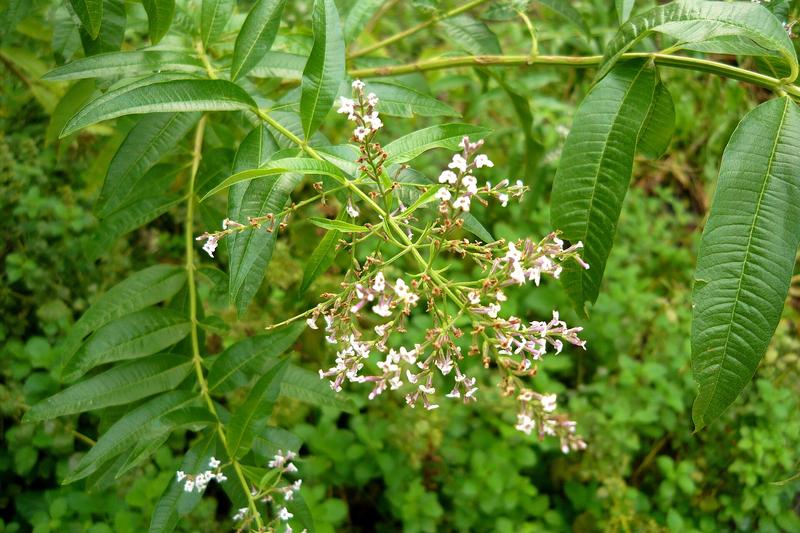
Quick facts
- Watering
- Weekly during growing season
- Sunlight
- Full sun
- Soil
- Well-drained, moderately fertile loam
- Humans
- Safe
- Cats
- Safe
- Dogs
- Safe
- Height
- 150–200 cm
- Spread
- 100–150 cm
- Spacing
- 100–120 cm apart
About Lemon Verbena
Lemon verbena is a deciduous woody shrub native to South America, prized for its intensely lemon-scented leaves that retain their fragrance even when dried. Growing to around 2 metres in favourable conditions, it produces delicate pale purple or white flowers in late summer. UK gardeners treasure it for herbal teas, potpourri, and culinary use, though it requires frost protection in most regions. The aromatic foliage releases its citrus perfume at the slightest touch, making it a delightful addition to patios and herb gardens.
UK fact: Lemon verbena was introduced to Britain in the 1780s and became a favourite in Victorian conservatories, where ladies would brush past the plants to scent their skirts before evening gatherings.
Watering Lemon Verbena
Lemon verbena requires consistent moisture during the growing season but abhors waterlogged roots. Water potted plants thoroughly once or twice weekly in summer, reducing significantly as growth slows in autumn. During winter dormancy, keep the compost barely moist, watering sparingly only to prevent complete desiccation. Plants in the ground need watering only during prolonged dry spells once established, though container specimens are more demanding.
Sunlight requirements
Position in the sunniest spot available, ideally a south-facing wall or sheltered patio where it will receive at least six hours of direct sunlight daily. In the UK climate, maximum sun exposure is essential for the plant to produce its aromatic oils and harden growth sufficiently to survive winter dormancy. Container-grown plants can be moved to follow the sun throughout the season.
Soil and feeding
Grow in well-drained, moderately fertile soil with a neutral to slightly alkaline pH of 6.5–7.5. For container cultivation, use a loam-based compost such as John Innes No. 2 with added horticultural grit or perlite to ensure excellent drainage. Heavy clay soils should be improved with generous amounts of grit and organic matter, or consider growing exclusively in pots. Good drainage is absolutely critical, particularly during the wet British winter when dormant plants are vulnerable to root diseases.
Apply a general-purpose liquid feed every two weeks from late spring through to late summer when the plant is actively growing. Avoid high-nitrogen feeds which promote soft growth vulnerable to frost damage; a balanced formulation encourages sturdy stems and aromatic foliage. Cease feeding by early September to allow growth to harden before winter.
Pruning Lemon Verbena
Lemon verbena benefits from hard pruning in April or early May, once the risk of severe frost has passed and new shoots are visible at the base. Cut back all growth to within 10–15 cm of the woody framework, removing any dead or frost-damaged wood entirely. This encourages bushy, vigorous growth and prevents the plant becoming leggy. Light trimming of shoot tips during summer promotes branching and provides fresh leaves for harvesting, but avoid autumn pruning which stimulates tender growth vulnerable to frost.
Propagating Lemon Verbena
Softwood cuttings taken in May or June offer the highest success rate, though semi-ripe cuttings in July and August also root well. Select healthy, non-flowering shoot tips about 10 cm long, removing lower leaves and dipping the cut end in hormone rooting powder. Insert into pots of gritty, free-draining compost and maintain in a warm, humid environment such as a propagator or plastic bag. Roots typically develop within 3–4 weeks, after which young plants can be potted on individually.
Common problems
Lemon verbena is relatively trouble-free but susceptible to whitefly and red spider mite, particularly when grown under glass or in conservatories during winter. Aphids may colonise soft new growth in spring and summer. The primary challenge in the UK is winter survival, as plants are frost-tender and prone to root rot in cold, wet soil. Overwatering during dormancy or poor drainage frequently causes fatal root diseases, whilst inadequate winter protection results in dieback or complete loss of the plant.
Spot a problem with your plant? Photograph the affected area using the Loam app and it will suggest the most likely cause and treatment.
Safety
- Humans
- Safe
- Cats
- Safe
- Dogs
- Safe
Toxicity information is for general guidance only.
Seasonal care calendar
Monthly care guide for Lemon Verbena in the UK, based on average conditions.
| Month | Care tasks |
|---|---|
| January | Keep dormant plants barely moist in frost-free conditions. Check for signs of rot and ensure adequate ventilation. |
| February | Continue minimal watering. Watch for first signs of new growth towards month end in mild areas or heated glasshouses. |
| March | Increase watering slightly as new shoots emerge. Keep protected from late frosts. Prepare for pruning once growth is clearly visible. |
| April | Prune hard back to framework once new growth is established. Repot container plants if rootbound. Begin fortnightly feeding. |
| May | Move containers outdoors after last frost. Water regularly as growth accelerates. Take softwood cuttings. Continue feeding regime. |
| June | Water and feed regularly. Harvest leaves for fresh use or drying. Take softwood cuttings. Pinch out tips to encourage bushiness. |
| July | Maintain regular watering and feeding. Continue harvesting aromatic leaves. Take semi-ripe cuttings. Watch for whitefly and red spider mite. |
| August | Water and feed regularly. Harvest leaves before flowering. Take final semi-ripe cuttings early in month. Enjoy pale purple flowers. |
| September | Cease feeding to harden growth. Reduce watering frequency. Harvest remaining leaves for drying before first frost threatens. |
| October | Move containers to frost-free protection before first frost. Reduce watering as growth slows and leaves begin to drop naturally. |
| November | Keep in frost-free conditions with minimal watering. Plants enter dormancy and may lose all leaves. Ensure good air circulation. |
| December | Maintain frost-free conditions with very sparing watering. Check regularly for rot. Dormant stems may appear lifeless but remain viable. |
Frequently asked questions
- How do I prune lemon verbena in spring?
- Prune lemon verbena hard in spring once new growth appears, typically from April onwards. Cut back all stems to within 10-15cm of the base, removing dead wood and shaping the plant. This encourages vigorous, bushy growth and maximises leaf production for harvest. Never prune in autumn, as this stimulates tender growth vulnerable to frost damage.
- Why are my lemon verbena leaves turning yellow and dropping off?
- Yellowing leaves can indicate several issues: overwatering (especially during winter dormancy), nutrient deficiency, or pest problems such as red spider mite in hot, dry conditions. Check soil moisture levels and examine leaf undersides for tiny mites or webbing. The Loam app can help diagnose the specific cause through photo analysis and provide personalised care adjustments based on your growing conditions.
- What type of compost does lemon verbena need?
- Lemon verbena thrives in free-draining, soil-based compost such as John Innes No. 2 or No. 3. Good drainage is essential to prevent root rot, particularly during winter. Add horticultural grit or perlite (roughly one part grit to three parts compost) to improve drainage further. Avoid peat-based multipurpose composts that retain too much moisture for this Mediterranean shrub.
Got a question about growing Lemon Verbena that isn't covered here? Ask the Garden Advisor in the Loam app. It knows your saved plants and local conditions.
Related plants
This page was compiled with AI assistance and reviewed by our team. .