Gypsophila
Gypsophila paniculata
Perennials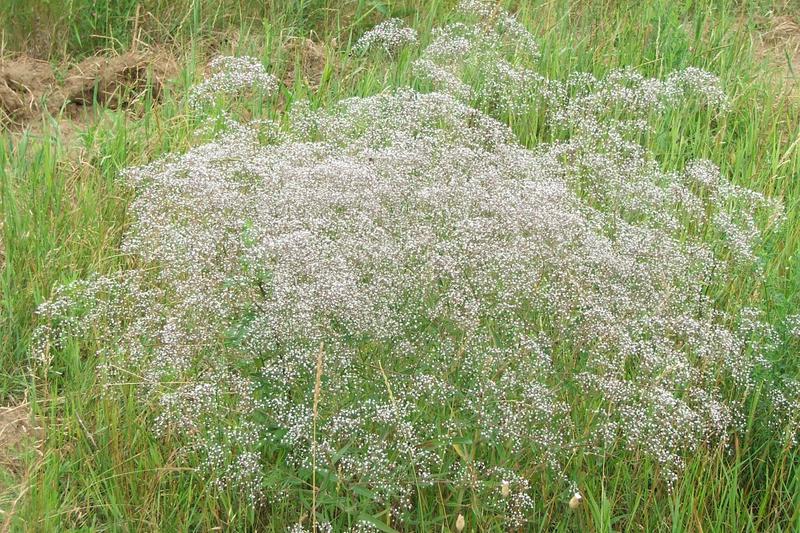
Quick facts
- Watering
- Fortnightly once established
- Sunlight
- Full sun
- Soil
- Well-drained, alkaline to neutral
- Humans
- Safe
- Cats
- Safe
- Dogs
- Safe
- Height
- 60–120 cm
- Spread
- 60–90 cm
- Spacing
- 60–75 cm apart
- RHS recognition
- Award of Garden Merit
About Gypsophila
Gypsophila is a delicate perennial beloved for its clouds of tiny white or pink flowers that create an airy, romantic effect in summer borders. Native to central and eastern Europe, this hardy plant thrives in the UK's temperate climate and has become a cottage garden staple. British gardeners value it both as a cut flower for arrangements and as a soft-textured companion plant that lightens heavier blooms. Its fine, branching stems and profusion of small flowers earn it the common name Baby's Breath in North America, though Gypsophila remains the preferred term in UK gardening circles.
UK fact: Gypsophila paniculata 'Bristol Fairy' holds the RHS Award of Garden Merit and has been a favourite in British cutting gardens since the 1920s, particularly prized for wedding bouquets and traditional English country arrangements.
Watering Gypsophila
Water newly planted Gypsophila regularly during the first growing season to establish a deep root system. Once established, this perennial is remarkably drought-tolerant and actually performs better with less water, as its taproot reaches deep into the soil. During typical British summers, rainfall is usually sufficient, but water fortnightly during dry spells of more than two weeks. Avoid overwatering, as soggy conditions can lead to root rot and crown damage, particularly in heavy clay soils.
Sunlight requirements
Position in a spot receiving at least six hours of direct sunlight daily, ideally in a south or west-facing border. In the UK's cooler northern regions, the sunniest position possible will encourage the best flowering. Avoid shaded areas, as insufficient light leads to weak, floppy stems and reduced blooming.
Soil and feeding
The ideal soil is light, well-drained, and alkaline to neutral (pH 7.0-8.0), reflecting the plant's natural habitat on limestone soils. In areas with acidic soil, incorporate garden lime or crushed eggshells before planting to raise the pH. Heavy clay soils must be improved with horticultural grit and organic matter to ensure adequate drainage, as waterlogged roots will quickly rot. Sandy or chalky soils are ideal, and the plant's common name derives from its affinity for gypsum-rich soils.
Apply a light dressing of balanced granular fertiliser (such as blood, fish and bone) in early spring as new growth emerges. Avoid high-nitrogen feeds, which promote leafy growth at the expense of flowers. Gypsophila naturally thrives in poor to moderately fertile soil, and overfed plants often produce lush foliage but fewer blooms.
Pruning Gypsophila
Deadhead spent flowers regularly throughout summer to prolong blooming and maintain a tidy appearance. After the main flowering in June or July, cut back the entire plant by about one-third to encourage fresh growth and a second flush of flowers. In late autumn or early spring, cut back dead stems to ground level, taking care not to damage the crown. Gypsophila resents root disturbance, so avoid heavy cultivation around the base of established plants.
Propagating Gypsophila
Seed is the most reliable method, sown directly outdoors in April or May where plants are to flower, as Gypsophila develops a deep taproot and resents disturbance. Alternatively, take 7-10cm softwood cuttings from non-flowering shoots in early summer, rooting them in gritty compost. Root cuttings can also be taken in winter from mature plants. Division is generally unsuccessful due to the plant's taproot structure and sensitivity to root disturbance.
Common problems
Gypsophila is generally trouble-free but can suffer from stem rot and crown rot in poorly drained or waterlogged soils, particularly during wet British winters. Aphids occasionally colonise young shoots and flower buds in spring and early summer; treat with insecticidal soap or encourage natural predators. Leafhoppers may cause pale mottling on foliage but rarely warrant intervention. The plant's main cultural problem is its intolerance of root disturbance and heavy, acidic soils, which can lead to poor establishment or sudden decline.
Spot a problem with your plant? Photograph the affected area using the Loam app and it will suggest the most likely cause and treatment.
Safety
- Humans
- Safe
- Cats
- Safe
- Dogs
- Safe
Toxicity information is for general guidance only.
Seasonal care calendar
Monthly care guide for Gypsophila in the UK, based on average conditions.
| Month | Care tasks |
|---|---|
| January | No action needed; plant is fully dormant. |
| February | Check for waterlogging around crowns and improve drainage if necessary. |
| March | Apply balanced fertiliser as new growth emerges. Cut back any remaining dead stems to ground level. |
| April | Sow seeds directly outdoors in final positions. Stake tall varieties if needed. |
| May | Thin direct-sown seedlings to final spacing. Water young plants during dry spells. |
| June | Main flowering begins. Deadhead regularly and cut stems for fresh arrangements. Take softwood cuttings. |
| July | After first flush of flowers, cut back by one-third to encourage second blooming. Continue deadheading. |
| August | Enjoy second flush of flowers. Water during prolonged dry spells. Continue deadheading. |
| September | Allow some seed heads to develop if self-seeding is desired. Reduce watering. |
| October | Cut back spent stems or leave standing for winter structure. Collect ripe seed if required. |
| November | Clear away remaining dead foliage if not done earlier. Ensure good drainage around crowns. |
| December | No action needed; plant is dormant. |
Frequently asked questions
- How do I improve soil drainage for Gypsophila?
- Gypsophila requires exceptionally well-drained soil to thrive. Dig in plenty of horticultural grit or sharp sand to a depth of at least 30cm, particularly in heavy clay soils. Raised beds are ideal for problem areas. Test your soil pH and add garden lime if acidic, as Gypsophila prefers alkaline to neutral conditions (pH 7.0-7.5). In waterlogged sites, consider growing in containers instead.
- Why is my Gypsophila dying back or failing to thrive?
- The most common cause is poor drainage or acidic soil. Gypsophila requires well-drained, alkaline to neutral conditions and will quickly decline in heavy clay or waterlogged soil. Test your soil pH and add lime if necessary, and improve drainage with grit. If you're struggling to diagnose the exact problem, the Loam app can help identify specific issues through photos and provide personalised care advice based on your garden conditions.
- When should I sow Gypsophila seeds in the UK?
- Sow Gypsophila seeds directly outdoors from April to June once the soil has warmed, as they dislike root disturbance from transplanting. Alternatively, sow in modules under cover in March for earlier flowering, transplanting carefully whilst very young. Seeds need light to germinate, so barely cover them with compost. Germination typically takes 10-21 days at 15-20°C. Thin or plant out to 60-90cm spacing in their final positions.
Got a question about growing Gypsophila that isn't covered here? Ask the Garden Advisor in the Loam app. It knows your saved plants and local conditions.
Related plants
This page was compiled with AI assistance and reviewed by our team. .