Couch Grass
Elymus repens
Weeds and Invasives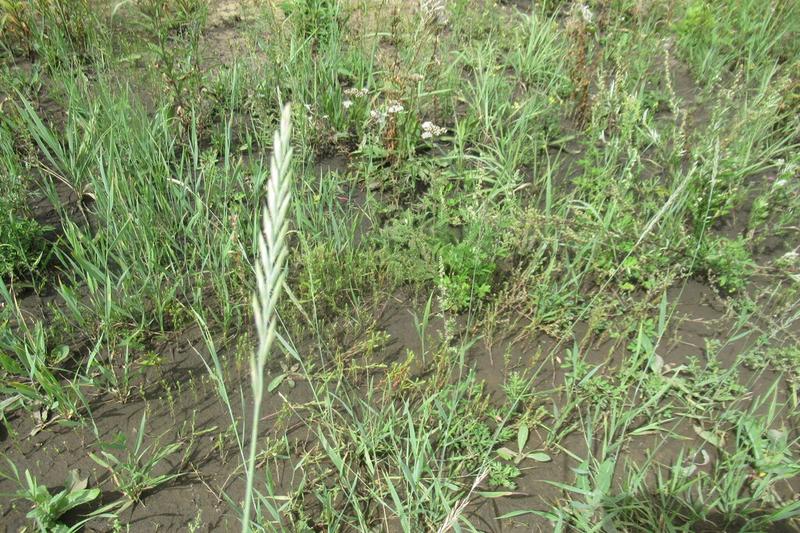
Quick facts
- Watering
- No watering required
- Sunlight
- Full sun to partial shade
- Soil
- Any soil type
- Humans
- Safe
- Cats
- Safe
- Dogs
- Safe
- Height
- 30–120 cm
- Spread
- 100–300 cm
- Spacing
- 0 cm apart
About Couch Grass
Couch grass is a persistent perennial weed with creeping rhizomes that spread aggressively through borders, lawns, and vegetable patches across the UK. This grass produces narrow, flat green leaves and can reach up to 120cm tall when flowering, with distinctive wheat-like seed heads appearing in summer. Originally native to Europe including Britain, it thrives in virtually any soil type and is considered one of the most problematic weeds in UK gardens. Gardeners do not intentionally grow couch grass; instead, they spend considerable effort trying to eradicate it from cultivated areas.
UK fact: Couch grass has been documented in British agricultural records since medieval times, where it was known as 'twitch' or 'scutch' and was both cursed by farmers for choking crops and valued by herbalists who used the rhizomes medicinally to treat urinary complaints.
Watering Couch Grass
As an invasive weed, couch grass requires no supplementary watering and thrives on natural UK rainfall alone. It is remarkably drought-tolerant once established, with deep rhizomes accessing moisture even during dry summers. The plant's ability to survive prolonged dry spells whilst remaining dormant, then rapidly regenerating when rain returns, contributes to its persistence. Never water areas where you are attempting to control couch grass, as this only encourages regrowth.
Sunlight requirements
Couch grass tolerates all light conditions from full sun to moderate shade, making it particularly invasive as it colonises both open ground and under-planted areas. It grows most vigorously in full sun but will persist even in shaded borders beneath shrubs. This adaptability to varying light levels is one reason it proves so difficult to eliminate from UK gardens.
Soil and feeding
Couch grass is entirely unfussy about soil conditions and will grow in clay, loam, sand, chalk, or any mixture thereof. It tolerates pH levels from acidic through neutral to alkaline (pH 4.5-8.0) without difficulty. The weed actually thrives in both waterlogged and free-draining soils, and fertility levels make little difference to its vigour. This extreme adaptability means soil improvement alone will never discourage couch grass establishment.
Couch grass requires no feeding whatsoever and will thrive in nutrient-poor soils. In fact, adding fertiliser to areas infested with couch grass will only encourage more vigorous growth and spread, making control more difficult.
Pruning Couch Grass
Mowing or cutting back couch grass is generally counterproductive, as it stimulates the rhizomes to produce more shoots and spread more aggressively. If couch grass appears in lawns, regular mowing at the correct height for your grass species may eventually weaken it, but this takes years of consistent effort. Never strim or rotovate areas with couch grass, as this fragments the rhizomes and each piece can regenerate into a new plant, exponentially worsening the infestation.
Propagating Couch Grass
Couch grass propagates itself extremely effectively through its extensive network of creeping rhizomes, which can spread up to 3 metres in a single growing season. Each node on a rhizome can produce new shoots and roots, meaning even tiny fragments left in the soil after weeding will regenerate into new plants. The weed also produces viable seed in late summer, though rhizome spread is the primary method of colonisation in UK gardens. Gardeners should never compost any part of couch grass, as rhizomes can survive and spread through inadequately heated compost heaps.
Common problems
The primary problem with couch grass is the plant itself—it is the problem rather than suffering from pests or diseases. Its rhizomes compete aggressively with cultivated plants for water, nutrients, and space, often strangling the roots of desirable species. Control is extremely challenging; hand-weeding requires meticulous removal of every rhizome fragment, whilst chemical control using glyphosate-based weedkillers requires repeated applications and careful timing. Couch grass is particularly problematic in perennial borders where its rhizomes intertwine with ornamental plant roots, making extraction without damaging garden plants nearly impossible.
Spot a problem with your plant? Photograph the affected area using the Loam app and it will suggest the most likely cause and treatment.
Safety
- Humans
- Safe
- Cats
- Safe
- Dogs
- Safe
Toxicity information is for general guidance only.
Seasonal care calendar
Monthly care guide for Couch Grass in the UK, based on average conditions.
| Month | Care tasks |
|---|---|
| January | Rhizomes dormant but viable underground; plan control strategy for spring. |
| February | Begin hand-weeding on mild days, removing rhizomes before active growth resumes. |
| March | Active growth begins; hand-weed regularly or apply glyphosate to emerging shoots. |
| April | Vigorous growth period; continue systematic removal of all visible shoots and rhizomes. |
| May | Peak growth; apply glyphosate when shoots reach 10-15cm for maximum translocation to rhizomes. |
| June | Flowering begins; remove seed heads before they mature to prevent seed spread. |
| July | Seeds ripen; continue removing flower heads and apply follow-up weedkiller treatments. |
| August | Late growth flush; treat any regrowth with glyphosate before plants begin to senesce. |
| September | Growth slows; final opportunity for chemical treatment before dormancy begins. |
| October | Plants dying back; hand-weed remaining visible growth and rhizomes. |
| November | Most foliage dead; dig out rhizomes from cleared areas before winter. |
| December | Dormant period; cover cleared areas with mulch or cardboard to suppress spring regrowth. |
Frequently asked questions
- How do I get rid of couch grass permanently?
- Complete eradication requires removing every rhizome fragment through persistent hand-weeding or repeated applications of glyphosate-based weedkiller to actively growing foliage. Hand-weeding works best in small areas: fork through soil systematically, removing all white rhizomes, then monitor weekly for regrowth over at least two seasons. For larger infestations, apply glyphosate when shoots reach 10-15cm tall, wait three weeks, then retreat any regrowth; this typically requires 3-4 applications over one growing season. Covering cleared ground with thick mulch or landscape fabric for a full year can help exhaust remaining rhizomes.
- Why does my couch grass keep coming back after weeding?
- Couch grass rhizomes are extremely brittle and break easily during removal, with each fragment capable of regenerating a new plant from nodes along its length. Even a 2cm piece of rhizome left in the soil will produce new shoots within weeks. The Loam app can help you track your weeding sessions and set regular reminders to check for regrowth, which is essential for catching new shoots before they re-establish extensive root systems. Consistent monitoring and immediate removal of regrowth over 18-24 months is typically needed for successful control.
- Can I use a rotavator to remove couch grass?
- Never rotavate or rotovate soil infested with couch grass, as this is the worst possible approach. Mechanical cultivation chops the rhizomes into hundreds of small fragments, each of which can regenerate into a new plant, turning a manageable infestation into a severe one. Similarly, avoid using a strimmer on couch grass for the same reason. Instead, use a fork to carefully lift and remove intact rhizomes, or apply systemic weedkiller that will translocate through the plant to kill the entire rhizome network.
Got a question about growing Couch Grass that isn't covered here? Ask the Garden Advisor in the Loam app. It knows your saved plants and local conditions.
Related plants
This page was compiled with AI assistance and reviewed by our team. .