Golden Bamboo
Phyllostachys aureosulcata
Grasses and Ferns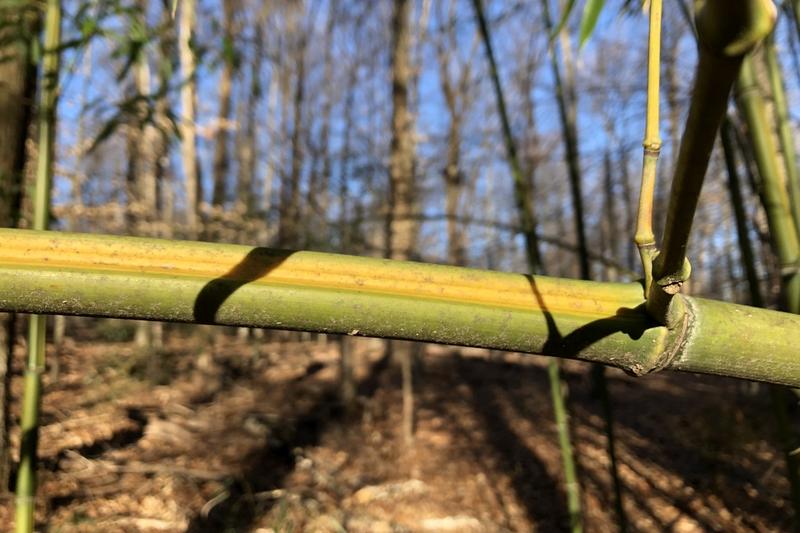
Quick facts
- Watering
- Weekly during establishment
- Sunlight
- Full sun to partial shade
- Soil
- Moist, well-drained, fertile
- Humans
- Safe
- Cats
- Safe
- Dogs
- Safe
- Height
- 400–600 cm
- Spread
- 200–400 cm
- Spacing
- 150–200 cm apart
- RHS recognition
- Award of Garden Merit
About Golden Bamboo
Golden Bamboo is a striking evergreen bamboo native to China, prized for its golden-yellow cane grooves and elegant arching habit. Growing 4–6 metres tall in UK gardens, it creates dramatic screens, windbreaks, and architectural focal points with year-round interest. British gardeners value its hardiness and tolerance of exposed sites, though it requires careful containment due to its vigorous running rhizomes. The distinctive zigzag pattern at the base of young canes adds ornamental appeal throughout the seasons.
UK fact: Golden Bamboo has proven exceptionally hardy in British gardens, surviving temperatures below -20°C during severe UK winters, making it one of the most reliable bamboos for northern regions and exposed Scottish gardens.
Watering Golden Bamboo
Water newly planted Golden Bamboo weekly during the first two growing seasons, particularly during dry spells from April to September. Established plants are relatively drought-tolerant but perform best with consistent moisture, especially during the active growth period in late spring and early summer. In containers, water more frequently as bamboos have high water demands; check daily during hot weather and ensure drainage holes prevent waterlogging. Mulch around the base to retain soil moisture and reduce watering frequency.
Sunlight requirements
Golden Bamboo thrives in full sun, which intensifies the golden colouring of the cane grooves, but tolerates partial shade where growth may be slightly less vigorous. In UK gardens, a south or west-facing position maximises colour development whilst providing shelter from harsh easterly winds. Avoid deep shade, which can lead to weak, spindly growth and reduced ornamental appeal.
Soil and feeding
Golden Bamboo prefers rich, moisture-retentive soil with good drainage, thriving in loamy or clay soils that don't dry out completely. It tolerates a wide pH range from slightly acidic to slightly alkaline (pH 5.5–7.5), making it adaptable to most UK garden soils. Improve poor soils by incorporating well-rotted compost or manure before planting to boost fertility and moisture retention. Avoid waterlogged conditions, which can lead to root rot, particularly in heavy clay; consider raised beds or improved drainage in poorly draining sites.
Apply a balanced slow-release fertiliser in early spring (March) to support the flush of new cane growth, using a general-purpose granular feed such as blood, fish and bone or a specialist bamboo fertiliser. A second lighter feed in early summer (June) encourages strong cane development and vibrant foliage. Mulch annually with well-rotted compost or manure to maintain soil fertility and structure.
Pruning Golden Bamboo
Thin out older canes at ground level in late spring (May) to maintain an open, attractive clump and allow light to reach younger golden canes. Remove any dead, damaged, or weak canes annually to improve air circulation and reduce pest and disease risk. Cut unwanted shoots emerging outside the desired area throughout the growing season to control spread, or install a root barrier at planting to contain the running rhizomes. Prune lower side branches to reveal the ornamental canes if desired, creating a more tree-like appearance.
Propagating Golden Bamboo
Golden Bamboo is most easily propagated by division of rhizomes in spring (March to May) when new growth is just beginning. Dig up a section of rhizome with at least two or three canes attached, ensuring each division has healthy roots and growing points. Replant divisions immediately at the same depth in prepared soil, water thoroughly, and keep moist until established. Division is more reliable than seed, which is rarely produced and can take many years to germinate.
Common problems
Golden Bamboo is generally pest-free in the UK, though bamboo mites can occasionally cause leaf discolouration and stippling in hot, dry conditions; improve air circulation and water regularly to discourage infestations. The primary concern for British gardeners is controlling its vigorous spreading habit, as running rhizomes can quickly invade neighbouring areas if not contained with barriers or regular removal of unwanted shoots. Leaf scorch may occur during harsh winter winds or late frosts, but affected foliage can be removed in spring without harming the plant. Avoid planting near buildings, drains, or boundaries without proper containment measures.
Spot a problem with your plant? Photograph the affected area using the Loam app and it will suggest the most likely cause and treatment.
Safety
- Humans
- Safe
- Cats
- Safe
- Dogs
- Safe
Toxicity information is for general guidance only.
Seasonal care calendar
Monthly care guide for Golden Bamboo in the UK, based on average conditions.
| Month | Care tasks |
|---|---|
| January | No action needed; plant is dormant but evergreen foliage provides winter interest. |
| February | Check for wind damage to canes and foliage; remove any broken stems at ground level. |
| March | Apply slow-release fertiliser and refresh mulch layer; divide established clumps if propagating. |
| April | New shoots begin to emerge; water regularly if dry and remove unwanted shoots outside desired area. |
| May | Thin out older canes to allow light to reach new golden growth; monitor for spreading rhizomes. |
| June | Apply second light feed to support cane development; water weekly during dry spells. |
| July | Maintain regular watering, especially for container plants; prune lower branches if desired. |
| August | Continue watering during dry weather; remove any unwanted spreading shoots at ground level. |
| September | Reduce watering as growth slows; check containment barriers are intact. |
| October | Clear fallen leaves from around base to prevent fungal issues; assess spread and plan containment. |
| November | No action needed; plant enters dormancy with foliage remaining evergreen. |
| December | No action needed; enjoy winter structure and evergreen screening. |
Frequently asked questions
- How do I stop Golden Bamboo from spreading in my garden?
- Install a root barrier at least 60cm deep around the planting area, or grow in large containers. Alternatively, regularly patrol the perimeter and remove any emerging shoots by cutting rhizomes with a sharp spade. Check monthly during the growing season (April to September) and remove unwanted growth immediately to prevent establishment.
- Why are my Golden Bamboo leaves turning yellow?
- Yellowing leaves can indicate several issues including nutrient deficiency, waterlogging, or natural leaf shedding. The Loam app can help diagnose the specific cause by analysing your watering schedule, soil conditions, and recent weather patterns, then provide personalised care adjustments to restore your bamboo's health.
- When is the best time to plant Golden Bamboo in the UK?
- Plant Golden Bamboo in spring (March to May) or early autumn (September to October) when soil is warm and moist, allowing roots to establish before winter or summer stress. Spring planting is ideal in colder regions, giving the plant a full growing season to settle in before its first winter.
Got a question about growing Golden Bamboo that isn't covered here? Ask the Garden Advisor in the Loam app. It knows your saved plants and local conditions.
Related plants
This page was compiled with AI assistance and reviewed by our team. .