Clumping Bamboo
Fargesia murieliae
Grasses and Ferns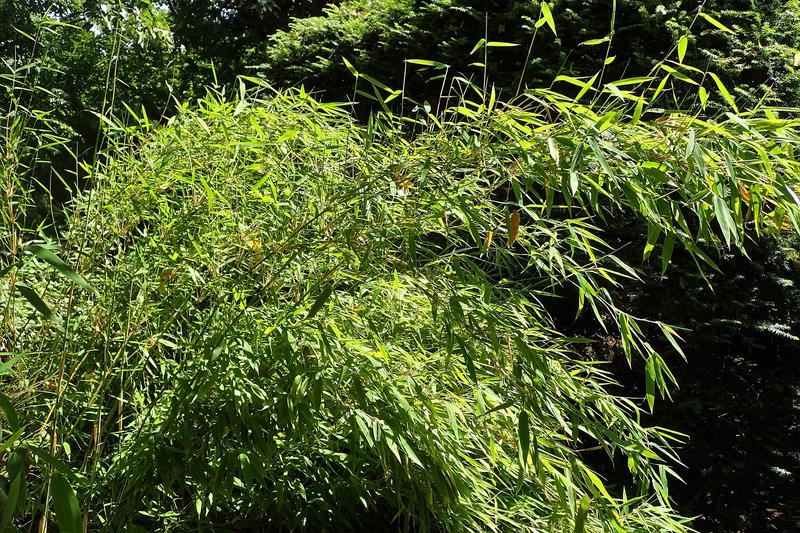
Quick facts
- Watering
- Weekly, more in hot weather
- Sunlight
- Full sun to partial shade
- Soil
- Moist, well-drained, fertile loam
- Humans
- Safe
- Cats
- Safe
- Dogs
- Safe
- Height
- 250–400 cm
- Spread
- 150–250 cm
- Spacing
- 150–200 cm apart
- RHS recognition
- Award of Garden Merit
About Clumping Bamboo
Clumping Bamboo is an elegant, non-invasive bamboo native to the mountains of central China, prized by UK gardeners for its graceful arching canes and delicate evergreen foliage. Unlike running bamboos, Fargesia forms tight clumps that expand slowly and predictably, making it ideal for smaller gardens, screening, and containers. The slender green canes mature to yellow-green and are clothed in narrow, apple-green leaves that rustle attractively in the breeze. This hardy bamboo thrives in the British climate, tolerating cold winters and providing year-round structure and movement in the garden.
UK fact: Fargesia murieliae has been awarded the RHS Award of Garden Merit and is one of the most popular bamboos in British gardens, particularly valued for its reliability in exposed and windy sites where it provides excellent evergreen screening without the invasive tendencies of running bamboos.
Watering Clumping Bamboo
Water regularly during the growing season, particularly in the first two years after planting while the root system establishes. Established clumps require weekly watering during dry spells, increasing to twice weekly in hot summer weather as bamboos are shallow-rooted and suffer quickly from drought. Container-grown specimens need daily watering in summer. Reduce watering in autumn and winter, but never allow the soil to dry out completely as evergreen foliage continues to transpire year-round.
Sunlight requirements
Clumping Bamboo performs best in partial shade or dappled sunlight, particularly in southern UK gardens where midday sun can scorch the foliage. In northern regions and Scotland, it tolerates full sun provided the soil remains consistently moist. Avoid deep shade, which causes sparse growth and weak canes, and shelter from cold easterly winds which can damage new spring foliage.
Soil and feeding
Fargesia thrives in rich, moisture-retentive soil with good drainage, ideally a fertile loam enriched with organic matter. It tolerates a wide pH range from slightly acidic to slightly alkaline (pH 5.5-7.5) but performs best in neutral to slightly acidic conditions. Heavy clay soils should be improved with grit and compost to prevent waterlogging in winter, whilst sandy soils benefit from generous additions of well-rotted manure or garden compost to improve moisture retention. Mulch annually with organic matter to keep roots cool and moist.
Apply a balanced slow-release fertiliser in early spring, scattering around the base of the clump and watering in well. A second feed in early summer supports the production of new canes. Alternatively, mulch annually with a 5-8cm layer of well-rotted manure or garden compost, which provides nutrients whilst improving soil structure and moisture retention.
Pruning Clumping Bamboo
Remove dead, damaged, or weak canes at ground level in late spring once new growth begins, cutting cleanly with sharp secateurs or a pruning saw. Thin congested clumps by removing up to one-third of the oldest canes to improve air circulation and encourage vigorous new growth. Trim back any frost-damaged foliage in April. Clumping bamboos rarely require height reduction, but canes can be shortened if necessary, cutting just above a node to maintain a natural appearance.
Propagating Clumping Bamboo
Clumping bamboos are best propagated by division in spring (March to May) when new shoots are emerging. Lift an established clump and use a sharp spade or saw to divide it into sections, ensuring each piece has at least three to five canes and a good root system. Replant divisions immediately at the same depth, water thoroughly, and keep well-watered until established. Division is strenuous work as mature clumps develop dense, woody root balls, so choose younger plants for easier propagation.
Common problems
Clumping Bamboo is generally trouble-free in UK gardens. The main cultural problem is leaf scorch caused by cold, drying winds or drought, resulting in brown leaf margins; shelter from easterly winds and consistent watering prevent this. Bamboo mites occasionally cause pale mottling on leaves but rarely require treatment. Newly planted specimens may show transplant shock with yellowing foliage, which usually resolves with regular watering and feeding. Unlike running bamboos, Fargesia does not become invasive, though clumps expand slowly and may need dividing every 8-10 years.
Spot a problem with your plant? Photograph the affected area using the Loam app and it will suggest the most likely cause and treatment.
Safety
- Humans
- Safe
- Cats
- Safe
- Dogs
- Safe
Toxicity information is for general guidance only.
Seasonal care calendar
Monthly care guide for Clumping Bamboo in the UK, based on average conditions.
| Month | Care tasks |
|---|---|
| January | No action needed. Protect container-grown plants from severe frost by wrapping pots with hessian. |
| February | Check for wind damage and remove any broken canes at ground level. |
| March | Apply slow-release fertiliser and refresh mulch. Divide established clumps if required. |
| April | Remove frost-damaged foliage and thin out dead or weak canes. New shoots begin to emerge. |
| May | Water regularly as new canes extend rapidly. Plant new specimens and keep well-watered. |
| June | Apply second feed to support cane development. Increase watering in dry weather. |
| July | Water daily in hot weather, particularly container-grown plants. New canes reach full height. |
| August | Continue regular watering. New canes begin to harden and develop side branches. |
| September | Reduce watering frequency as temperatures cool. Foliage remains fresh and green. |
| October | Clear fallen leaves from around the base to prevent fungal issues. Water if dry. |
| November | Apply autumn mulch to protect roots over winter. Reduce watering but do not allow to dry out. |
| December | No action needed. Evergreen foliage provides winter structure and screening. |
Frequently asked questions
- Is Fargesia murieliae invasive in UK gardens?
- No, Fargesia murieliae is a clump-forming bamboo that expands slowly and predictably, typically spreading only 5-10cm per year. Unlike running bamboos, it does not send out underground rhizomes and will not invade neighbouring areas, making it ideal for smaller UK gardens and safe to plant without root barriers.
- Why are the leaves on my clumping bamboo turning brown?
- Brown leaf tips and margins usually indicate drought stress or wind scorch, both common in UK gardens during dry spells or after cold easterly winds. The Loam app can send you watering reminders based on local weather and help diagnose whether the issue is cultural or environmental, with personalised care adjustments for your garden's conditions.
- Can I grow Fargesia murieliae in a container?
- Yes, Clumping Bamboo grows well in large containers (minimum 60cm diameter) and makes an excellent patio plant for screening or architectural interest. Use a soil-based compost, ensure good drainage, and water daily in summer as container-grown bamboos dry out quickly. Repot or divide every 3-4 years to maintain vigour.
Got a question about growing Clumping Bamboo that isn't covered here? Ask the Garden Advisor in the Loam app. It knows your saved plants and local conditions.
Related plants
This page was compiled with AI assistance and reviewed by our team. .