Astelia
Astelia chathamica
Perennials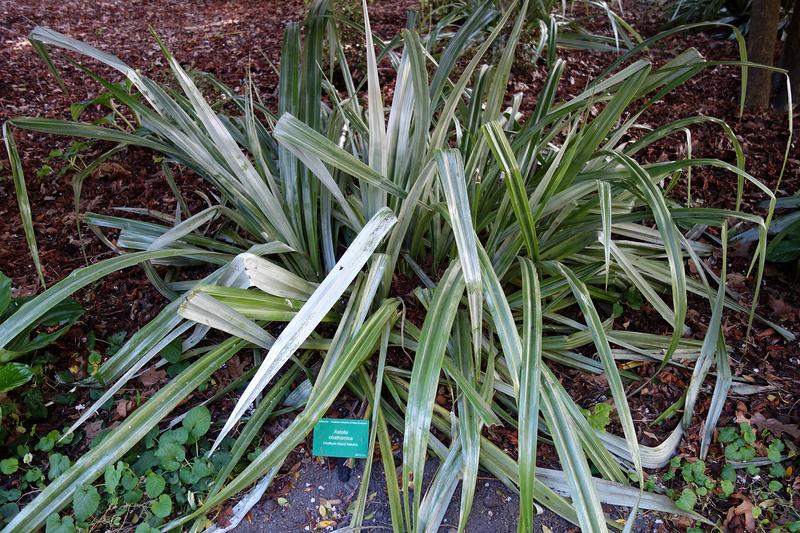
Quick facts
- Watering
- Weekly during establishment
- Sunlight
- Full sun to partial shade
- Soil
- Moist but well-drained, humus-rich
- Humans
- Safe
- Cats
- Safe
- Dogs
- Safe
- Height
- 90–120 cm
- Spread
- 90–150 cm
- Spacing
- 100–120 cm apart
- RHS recognition
- Award of Garden Merit
About Astelia
Astelia chathamica is a striking evergreen perennial native to the Chatham Islands of New Zealand, prized for its architectural rosettes of silvery, sword-shaped leaves. This dramatic foliage plant brings year-round structure and metallic sheen to UK gardens, particularly effective in coastal and contemporary planting schemes. UK gardeners value it for its tolerance of salt-laden winds and ability to thrive in our mild, maritime climate. The arching leaves can reach impressive lengths, creating a bold focal point in borders, gravel gardens, or large containers.
UK fact: Astelia chathamica received the RHS Award of Garden Merit in 1993, recognising its exceptional garden performance in British conditions, particularly in milder coastal regions of the south and west where it thrives with minimal winter protection.
Watering Astelia
Water newly planted astelias weekly during their first growing season to establish a deep root system. Once established, plants are moderately drought-tolerant but perform best with consistent moisture, particularly during dry spells from May to September. In containers, water more frequently as the compost begins to dry, ensuring good drainage to prevent waterlogging. Reduce watering in winter when growth slows, allowing the top few centimetres of soil to dry between waterings.
Sunlight requirements
Astelia performs best in full sun where the silvery foliage develops its most intense metallic sheen, though it tolerates partial shade particularly in hotter, drier gardens. In the UK, a south or west-facing position is ideal, though plants in northern gardens may benefit from some afternoon shade during hot summers. Avoid deep shade which causes the leaves to lose their distinctive silver colouration and become more green.
Soil and feeding
Astelia thrives in fertile, moisture-retentive soil that drains freely, ideally enriched with organic matter such as well-rotted compost or leaf mould. The plant tolerates a range of pH levels from slightly acidic to neutral (pH 5.5-7.0) but performs best in neutral conditions. Heavy clay soils should be improved with grit and organic matter to enhance drainage, as waterlogged roots are prone to rot during wet UK winters. In containers, use a loam-based compost such as John Innes No. 3 mixed with horticultural grit for improved drainage.
Apply a balanced slow-release fertiliser in early spring as new growth emerges, or feed monthly during the growing season with a liquid feed diluted to half strength. Avoid high-nitrogen feeds which promote lush green growth at the expense of the characteristic silver foliage. Container-grown plants benefit from more regular feeding throughout summer.
Pruning Astelia
Remove dead, damaged, or tatty outer leaves throughout the year by cutting them back to the base with clean secateurs to maintain the plant's appearance. In early spring, typically March, tidy the plant by removing any winter-damaged foliage before new growth begins. Astelia requires minimal pruning otherwise, as cutting into the crown can damage the growing point. If flower spikes appear and are not desired, remove them after flowering to direct energy back into foliage production.
Propagating Astelia
Astelia is most easily propagated by division in spring, typically April or May, when the plant is actively growing. Carefully lift established clumps and tease apart rooted offsets from the parent plant, ensuring each division has a good root system and several leaves. Replant divisions immediately at the same depth, water well, and keep moist until established. Seed propagation is possible but slow and unreliable in UK conditions, requiring fresh seed sown in autumn and overwintered in a cold frame.
Common problems
Astelia is generally trouble-free in UK gardens with few serious pest or disease issues. The main problem is winter damage in cold, exposed sites where prolonged frost can scorch leaf tips and edges, though plants usually recover in spring. Waterlogged soil during winter can lead to crown rot, particularly on heavy clay, so ensuring good drainage is essential. Slugs and snails may occasionally damage young foliage in spring but rarely cause significant harm to established plants.
Spot a problem with your plant? Photograph the affected area using the Loam app and it will suggest the most likely cause and treatment.
Safety
- Humans
- Safe
- Cats
- Safe
- Dogs
- Safe
Toxicity information is for general guidance only.
Seasonal care calendar
Monthly care guide for Astelia in the UK, based on average conditions.
| Month | Care tasks |
|---|---|
| January | Protect crowns with fleece or straw mulch during severe frost in colder regions. |
| February | Check for winter damage and remove any badly frosted leaves. |
| March | Tidy plants by removing winter-damaged foliage and apply slow-release fertiliser. |
| April | Divide established clumps if needed and plant out or pot on divisions. |
| May | Water regularly during dry spells and mulch around plants to retain moisture. |
| June | Continue watering during dry weather and remove any flower spikes if desired. |
| July | Maintain consistent moisture and feed container plants fortnightly. |
| August | Water during prolonged dry periods and remove any tatty outer leaves. |
| September | Reduce watering as temperatures cool and growth slows. |
| October | Clear fallen leaves from around the crown to prevent rot. |
| November | Apply protective mulch in colder areas before first frosts arrive. |
| December | Monitor for frost damage and ensure winter protection is secure. |
Frequently asked questions
- Why are my astelia leaves turning brown at the tips?
- Brown leaf tips are typically caused by frost damage in winter, dry soil during summer, or exposure to cold, drying winds. In colder UK regions, protect plants with fleece during hard frosts and ensure consistent moisture during the growing season. Trim off brown tips with clean scissors to improve appearance.
- How do I know when my astelia needs watering?
- Check the soil moisture by inserting your finger 5cm into the soil – if it feels dry, water thoroughly. The Loam app can send personalised watering reminders based on your local weather conditions and help you track your astelia's specific needs throughout the seasons.
- Can astelia survive winter outdoors in the UK?
- Yes, astelia is hardy to around -5°C to -10°C (RHS H4) and survives outdoors in most UK regions, particularly in milder southern and coastal areas. In colder northern gardens or exposed sites, provide winter protection with fleece or move container plants to a sheltered spot during severe frost.
Got a question about growing Astelia that isn't covered here? Ask the Garden Advisor in the Loam app. It knows your saved plants and local conditions.
Related plants
This page was compiled with AI assistance and reviewed by our team. .