Periwinkle
Vinca minor
Shrubs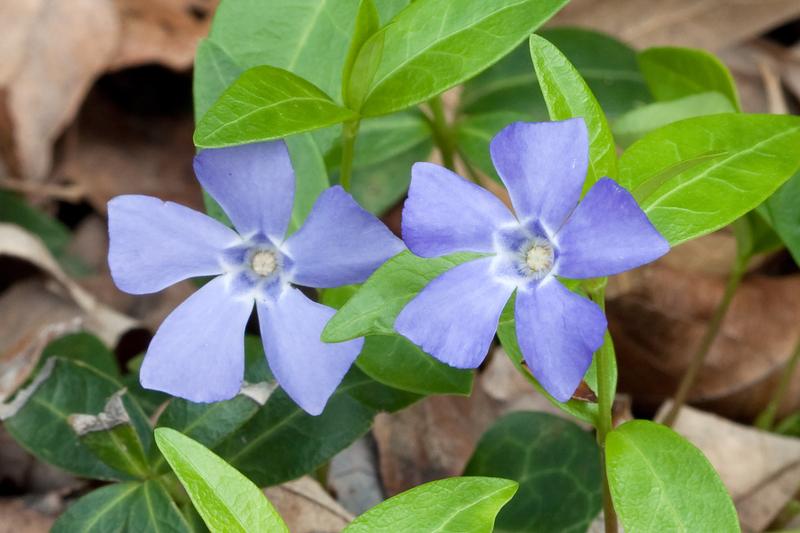
Quick facts
- Watering
- Weekly until established, then occasional
- Sunlight
- Partial shade to full shade
- Soil
- Moist, well-drained, any pH
- Humans
- Toxic
- Cats
- Toxic
- Dogs
- Toxic
- Height
- 10–20 cm
- Spread
- 60–150 cm
- Spacing
- 30–45 cm apart
- RHS recognition
- Award of Garden Merit
About Periwinkle
Periwinkle is a low-growing evergreen ground cover with glossy dark green leaves and charming violet-blue flowers that appear from spring through summer. Native to central and southern Europe, it has naturalised widely across the UK and is valued for its ability to suppress weeds in shady areas beneath trees and shrubs. British gardeners prize this hardy plant for its reliable performance in difficult spots where little else will thrive. Its trailing stems root as they spread, creating dense mats of foliage that provide year-round interest.
UK fact: Periwinkle has been grown in British gardens since medieval times and was traditionally planted in churchyards and cottage gardens, where it symbolised friendship and fond memories.
Watering Periwinkle
Water regularly during the first growing season to establish a deep root system, typically once or twice weekly during dry spells. Once established, periwinkle is remarkably drought-tolerant and rarely needs watering except during prolonged summer droughts. In shaded positions with moisture-retentive soil, natural rainfall is usually sufficient. Avoid waterlogging, which can lead to root rot.
Sunlight requirements
Periwinkle thrives in partial to full shade, making it ideal for north-facing borders and beneath tree canopies. It will tolerate some sun in cooler parts of the UK, particularly in Scotland and northern England, but may scorch in hot, exposed positions in southern counties. Plant in dappled shade for the best flowering and foliage colour.
Soil and feeding
Periwinkle is remarkably adaptable and will grow in most soil types, from light sandy soils to heavy clay, provided drainage is reasonable. It performs best in moist but well-drained soil enriched with organic matter. The plant tolerates a wide pH range from acidic to alkaline (pH 4.5-8.0), making it suitable for virtually any UK garden. Add compost or leaf mould when planting to improve soil structure and moisture retention.
Periwinkle requires minimal feeding and will thrive without regular fertilisation. Apply a light dressing of general-purpose fertiliser or well-rotted compost in early spring if growth appears weak or foliage loses its lustre. Avoid over-feeding, which encourages excessive leaf growth at the expense of flowers.
Pruning Periwinkle
Trim back straggly growth in early spring before new growth emerges to maintain a neat appearance and encourage bushier growth. Cut back overly vigorous stems that are encroaching on other plants throughout the growing season. After flowering, lightly shear over the plants to remove spent blooms and promote a second flush of flowers. Periwinkle can become invasive, so regular trimming of the edges helps contain its spread.
Propagating Periwinkle
Periwinkle is extremely easy to propagate by division or layering. Divide established clumps in spring or autumn, ensuring each section has roots and shoots. Alternatively, simply peg down trailing stems onto the soil surface and they will root naturally within a few weeks, after which you can sever and transplant them. Softwood cuttings taken in late spring or early summer also root readily in a mix of compost and sharp sand.
Common problems
Periwinkle is generally trouble-free but can occasionally suffer from rust, which appears as orange pustules on the undersides of leaves, particularly in damp conditions. Remove and destroy affected foliage and improve air circulation. Aphids may colonise new growth in spring but rarely cause serious damage. The main issue for UK gardeners is periwinkle's vigorous spreading habit, which can smother less robust plants if not kept in check through regular trimming.
Spot a problem with your plant? Photograph the affected area using the Loam app and it will suggest the most likely cause and treatment.
Safety
- Humans
-
Toxic
All parts of periwinkle contain toxic alkaloids that can cause nausea, vomiting, and diarrhoea if ingested. Wear gloves when handling if you have sensitive skin.
- Cats
-
Toxic
Toxic to cats if ingested, causing vomiting, diarrhoea, and potentially more serious symptoms. Keep cats away from this plant.
- Dogs
-
Toxic
Toxic to dogs if ingested, causing vomiting, diarrhoea, and depression. Prevent dogs from chewing or eating this plant.
Toxicity information is for general guidance only. If a person or pet has been exposed to this plant and you are concerned, seek advice from a medical professional or vet.
Seasonal care calendar
Monthly care guide for Periwinkle in the UK, based on average conditions.
| Month | Care tasks |
|---|---|
| January | No action needed; evergreen foliage provides winter interest. |
| February | Check for winter damage and remove any dead or damaged stems. |
| March | Trim back straggly growth and apply light feed if needed. Divide established clumps. |
| April | First flowers begin to appear. Plant new specimens and water regularly. |
| May | Peak flowering period. Take softwood cuttings. Water during dry spells. |
| June | Continue enjoying flowers. Trim back edges to control spread. |
| July | Lightly shear after main flowering flush to encourage repeat blooms. |
| August | Water during prolonged dry periods. Second flush of flowers may appear. |
| September | Divide overcrowded clumps if needed. Trim back excessive growth. |
| October | Plant new specimens. Clear fallen leaves from foliage to prevent rot. |
| November | Tidy edges and remove any diseased foliage before winter. |
| December | No action needed; evergreen foliage provides structure through winter. |
Frequently asked questions
- Why is my periwinkle not flowering?
- Periwinkle flowers best in partial shade with adequate moisture. Too much shade, particularly deep shade beneath dense evergreen trees, can reduce flowering significantly. Ensure plants receive some dappled light and consider trimming back in early spring to encourage bushier growth and more flower buds. Over-feeding with nitrogen-rich fertilisers can also promote leaf growth at the expense of flowers.
- How can I stop periwinkle from taking over my garden?
- Regular trimming of the edges is essential to control periwinkle's vigorous spread. The Loam app can send you monthly reminders to check and trim back wayward stems, helping you stay on top of maintenance before it becomes overwhelming. Install physical barriers or edging to contain growth in specific areas.
- Can I grow periwinkle in a container?
- Yes, periwinkle grows well in containers and makes an attractive trailing plant for pots, window boxes, and hanging baskets. Use a soil-based compost with good drainage and position in partial shade. Container-grown plants will need more regular watering than those in the ground, particularly during summer, but avoid waterlogging.
Got a question about growing Periwinkle that isn't covered here? Ask the Garden Advisor in the Loam app. It knows your saved plants and local conditions.
Related plants
This page was compiled with AI assistance and reviewed by our team. .