Red Campion
Silene dioica
Wildflowers and Natives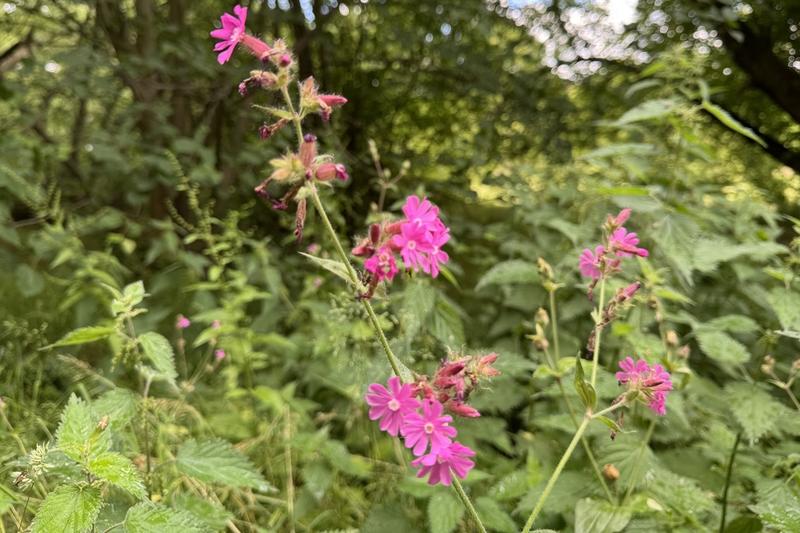
Quick facts
- Watering
- Minimal once established
- Sunlight
- Partial shade to full shade
- Soil
- Moist, well-drained, humus-rich
- Humans
- Safe
- Cats
- Safe
- Dogs
- Safe
- Height
- 40–90 cm
- Spread
- 20–40 cm
- Spacing
- 30–45 cm apart
About Red Campion
Red Campion is a charming British native wildflower producing clusters of bright pink to magenta flowers from late spring through summer. Growing naturally in woodland edges, hedgerows, and shaded banks throughout the UK, this short-lived perennial brings cottage garden charm and supports native pollinators including bees and butterflies. UK gardeners value it for naturalising in semi-shaded areas, where its cheerful blooms brighten dappled corners and blend beautifully with bluebells and ferns. The plant self-seeds readily, establishing informal drifts that require minimal maintenance once established.
UK fact: Red Campion has been a feature of British woodlands since ancient times and is particularly associated with ancient woodland indicator species, often growing alongside bluebells and wood anemones in sites that have been continuously wooded for centuries.
Watering Red Campion
Water newly planted Red Campion regularly during the first growing season to establish a strong root system. Once established, plants are remarkably drought-tolerant in shaded positions and rarely require supplementary watering in typical UK conditions. In prolonged dry spells during summer, an occasional deep soak helps maintain flowering, but avoid waterlogging which can cause root rot. Plants in sunnier positions benefit from more consistent moisture.
Sunlight requirements
Red Campion thrives in partial to full shade, mimicking its natural woodland habitat. In UK gardens, it performs best on north-facing borders or beneath deciduous trees where it receives dappled light. Plants tolerate sunnier positions in northern Britain or if soil remains consistently moist, but may struggle in hot, dry, south-facing spots.
Soil and feeding
Red Campion prefers fertile, moisture-retentive soil enriched with organic matter, reflecting its woodland origins. It tolerates a wide pH range from slightly acidic to neutral (pH 5.5-7.5) and adapts to most garden soils including clay, provided drainage is adequate. Incorporate leaf mould or well-rotted compost when planting to improve soil structure and moisture retention. Avoid very dry, sandy soils unless you can provide consistent moisture and shade.
Red Campion requires minimal feeding and thrives in moderately fertile soil without supplementary fertiliser. An annual mulch of leaf mould or garden compost in autumn provides sufficient nutrients and mimics natural woodland conditions. Avoid high-nitrogen feeds which promote lush foliage at the expense of flowers and can make plants prone to flopping.
Pruning Red Campion
Deadhead spent flowers regularly to prolong the blooming period from May through August and prevent excessive self-seeding if desired. Cut back flowering stems to basal foliage after the main flush finishes in midsummer to encourage a second, lighter flush of blooms. In autumn, leave seed heads for wildlife or cut back tatty growth to ground level; fresh basal rosettes will overwinter and regrow in spring. Allow some plants to self-seed if you want to establish naturalised colonies.
Propagating Red Campion
Red Campion propagates easily from seed sown in situ in autumn or early spring, with autumn sowings producing stronger plants. Scatter seed where you want plants to grow, barely covering with soil, and thin seedlings to 30cm spacing. Plants self-seed freely in suitable conditions, often appearing in unexpected corners. Division of established clumps is possible in early spring or autumn, though as a short-lived perennial (typically 2-3 years), Red Campion is best renewed from seed rather than division.
Common problems
Red Campion is generally trouble-free with few serious pests or diseases affecting UK plants. Slugs and snails may damage young seedlings and fresh spring growth, particularly in damp conditions; use organic controls if necessary. Powdery mildew can occasionally affect foliage in dry conditions or overcrowded plantings, though it rarely causes serious harm. The main cultural issue is excessive self-seeding in favourable conditions; deadhead regularly if you want to control spread, or embrace the informal cottage garden effect.
Spot a problem with your plant? Photograph the affected area using the Loam app and it will suggest the most likely cause and treatment.
Safety
- Humans
- Safe
- Cats
- Safe
- Dogs
- Safe
Toxicity information is for general guidance only.
Seasonal care calendar
Monthly care guide for Red Campion in the UK, based on average conditions.
| Month | Care tasks |
|---|---|
| January | No action needed. Overwintering basal rosettes remain dormant. |
| February | Check for slug damage on emerging foliage in mild spells. |
| March | Sow seeds directly outdoors. Clear away winter debris from established plants. |
| April | Thin self-sown seedlings to 30cm spacing. Water new plantings during dry spells. |
| May | Flowering begins. Deadhead spent blooms to prolong display. |
| June | Peak flowering period. Continue deadheading regularly for extended blooms. |
| July | Deadhead or allow some plants to set seed for self-sowing. Water in prolonged dry spells. |
| August | Cut back spent flowering stems to encourage a second flush. Collect seed if desired. |
| September | Sow fresh seed for strong spring plants. Allow self-seeding in naturalised areas. |
| October | Cut back tatty growth or leave for wildlife. Apply leaf mould mulch around plants. |
| November | Tidy borders if desired, leaving basal rosettes intact. |
| December | No action needed. Plants fully dormant. |
Frequently asked questions
- Does Red Campion grow in shade?
- Yes, Red Campion thrives in partial to full shade and is ideal for woodland gardens, north-facing borders, and beneath deciduous trees. It naturally grows in shaded hedgerows and woodland edges throughout the UK, making it perfect for brightening difficult shady spots where many flowering plants struggle.
- Why is my Red Campion not flowering well?
- Poor flowering usually results from too much sun combined with dry soil, or overly rich soil promoting foliage over blooms. The Loam app can help diagnose specific issues based on your garden conditions and send timely reminders for deadheading to maximise flowering throughout summer.
- Is Red Campion invasive in UK gardens?
- Red Campion is a native British wildflower, not invasive, though it self-seeds freely in favourable conditions. You can easily control spread by deadheading before seeds form, or embrace its naturalising habit for informal cottage garden or woodland edge plantings where it supports native pollinators.
Got a question about growing Red Campion that isn't covered here? Ask the Garden Advisor in the Loam app. It knows your saved plants and local conditions.
Related plants
This page was compiled with AI assistance and reviewed by our team. .