Portugal Laurel
Prunus lusitanica
Shrubs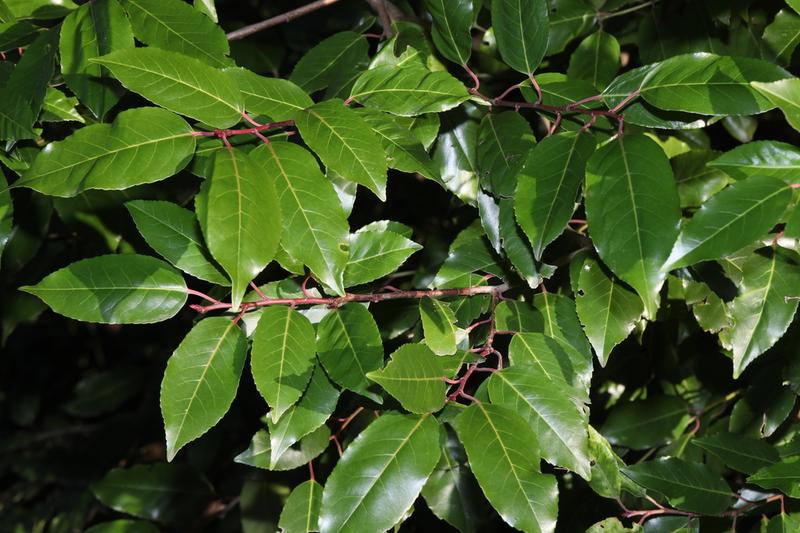
Quick facts
- Watering
- Weekly when young, minimal once established
- Sunlight
- Full sun to partial shade
- Soil
- Well-drained, moderately fertile
- Humans
- Toxic
- Cats
- Toxic
- Dogs
- Toxic
- Height
- 300–600 cm
- Spread
- 200–400 cm
- Spacing
- 60–90 cm apart
- RHS recognition
- Award of Garden Merit
About Portugal Laurel
Portugal Laurel is an elegant evergreen shrub native to the Iberian Peninsula and southwestern France, prized for its glossy dark green leaves and attractive red leaf stalks. In early summer, it produces fragrant white flowers in slender racemes, followed by small dark purple berries. UK gardeners value it as a superior alternative to Cherry Laurel for hedging and screening, offering year-round structure with a more refined appearance. It tolerates a wide range of conditions and responds exceptionally well to clipping, making it ideal for formal hedges and topiary.
UK fact: Portugal Laurel holds the RHS Award of Garden Merit and has been a staple of British formal gardens since the 18th century, particularly favoured in grand estates for its ability to withstand the British climate better than many Mediterranean evergreens whilst maintaining an elegant, architectural presence throughout winter.
Watering Portugal Laurel
Water newly planted specimens weekly during their first growing season to establish a strong root system. Once established, Portugal Laurel is remarkably drought-tolerant and typically requires watering only during prolonged dry spells in summer. Container-grown plants need more regular watering, particularly during hot weather. Avoid waterlogging, as this can lead to root problems, though the plant tolerates occasional wet conditions better than many evergreens.
Sunlight requirements
Portugal Laurel thrives in full sun but tolerates partial shade remarkably well, making it versatile for various garden positions. In shadier spots, growth may be slightly slower but the foliage remains dense and healthy. South or west-facing positions are ideal, though it will perform admirably on north-facing boundaries where many evergreens struggle.
Soil and feeding
Portugal Laurel adapts to most soil types provided drainage is adequate, thriving in clay, loam, chalk, or sandy soils. It prefers a slightly acidic to neutral pH (6.0-7.5) but tolerates mildly alkaline conditions. Improve heavy clay soils with organic matter and grit to enhance drainage. Avoid extremely wet or waterlogged sites, though it copes better with occasional winter wetness than Cherry Laurel.
Apply a balanced slow-release fertiliser in early spring around the base of the plant, particularly for hedges that are regularly clipped. A mulch of well-rotted compost or manure in autumn provides additional nutrients and helps retain moisture. Container-grown specimens benefit from monthly liquid feeding during the growing season.
Pruning Portugal Laurel
Prune hedges twice yearly, in late spring after flowering and again in late summer, to maintain shape and density. For specimen shrubs, minimal pruning is needed beyond removing dead, damaged, or crossing branches in late winter. Portugal Laurel tolerates hard pruning and can be renovated by cutting back into old wood if necessary. Always use secateurs rather than hedge trimmers on individual plants to avoid unsightly cut leaves.
Propagating Portugal Laurel
Portugal Laurel propagates readily from semi-ripe cuttings taken in late summer (July to September). Select healthy, non-flowering shoots 10-15cm long, remove lower leaves, and insert into gritty compost in a cold frame or propagator. Cuttings typically root within 8-12 weeks. Hardwood cuttings can also be taken in autumn and overwintered in a sheltered spot. Layering is another reliable method: peg down a low branch in spring, and it should root by the following autumn.
Common problems
Portugal Laurel is generally trouble-free but can occasionally suffer from shothole disease, which causes brown spots that drop out leaving holes in the foliage. Powdery mildew may appear in dry conditions with poor air circulation. Vine weevil larvae can damage container-grown plants by eating roots. Leaf scorch can occur in very cold, drying winds or during harsh winters, particularly on exposed sites. Good cultural practices, including adequate spacing for air circulation and avoiding overhead watering, prevent most issues.
Spot a problem with your plant? Photograph the affected area using the Loam app and it will suggest the most likely cause and treatment.
Safety
- Humans
-
Toxic
All parts of Portugal Laurel contain cyanogenic glycosides and are toxic if ingested, particularly the leaves and seeds. Symptoms include nausea, vomiting, and breathing difficulties.
- Cats
-
Toxic
Toxic to cats if ingested. The leaves and berries contain cyanogenic compounds that can cause vomiting, difficulty breathing, and potentially fatal poisoning.
- Dogs
-
Toxic
Toxic to dogs if ingested. All parts contain cyanogenic glycosides that can cause drooling, vomiting, diarrhoea, breathing difficulties, and in severe cases, collapse or death.
Toxicity information is for general guidance only. If a person or pet has been exposed to this plant and you are concerned, seek advice from a medical professional or vet.
Seasonal care calendar
Monthly care guide for Portugal Laurel in the UK, based on average conditions.
| Month | Care tasks |
|---|---|
| January | No action needed; plant is dormant but evergreen foliage provides winter structure. |
| February | Check for wind damage and remove any broken branches. Prepare planting sites for bare-root specimens. |
| March | Plant bare-root or container-grown specimens. Apply slow-release fertiliser around established plants. |
| April | Water newly planted specimens regularly. Monitor for signs of pest activity as growth resumes. |
| May | Enjoy the fragrant white flower racemes. Water young plants during dry spells. |
| June | First hedge trim after flowering finishes. Take semi-ripe cuttings from mid-month onwards. |
| July | Continue taking semi-ripe cuttings. Water during prolonged dry periods, especially young plants. |
| August | Second hedge trim to maintain shape. Continue propagation from semi-ripe cuttings. |
| September | Dark purple berries ripen. Good month for planting container-grown specimens. |
| October | Apply mulch of well-rotted compost around the base. Plant new specimens while soil is still warm. |
| November | Take hardwood cuttings. Protect young plants in exposed positions from harsh winds. |
| December | Evergreen foliage provides valuable winter interest. Check stakes and ties on young plants. |
Frequently asked questions
- How fast does Portugal Laurel grow in the UK?
- Portugal Laurel typically grows 30-45cm per year in UK conditions when established, making it moderately fast-growing. Growth rate depends on soil quality, watering, and position, with plants in full sun and fertile soil growing most vigorously. It's slower than Cherry Laurel but faster than Yew, reaching hedging height of 1.5-2m within 4-5 years from planting.
- Why are my Portugal Laurel leaves turning brown?
- Brown leaves can indicate several issues including wind scorch, waterlogging, drought stress, or shothole disease. The Loam app can help diagnose the specific cause based on your plant's symptoms, location, and recent weather, then provide tailored care recommendations to restore your Portugal Laurel's health.
- Can Portugal Laurel be grown in pots?
- Yes, Portugal Laurel grows well in large containers (minimum 45cm diameter) and makes an excellent evergreen specimen for patios and formal entrances. Use a soil-based compost like John Innes No. 3, ensure good drainage, and water regularly as container plants dry out faster. Feed monthly during the growing season and repot every 2-3 years.
Got a question about growing Portugal Laurel that isn't covered here? Ask the Garden Advisor in the Loam app. It knows your saved plants and local conditions.
Related plants
This page was compiled with AI assistance and reviewed by our team. .