Japanese Blood Grass
Imperata cylindrica 'Rubra'
Grasses and Ferns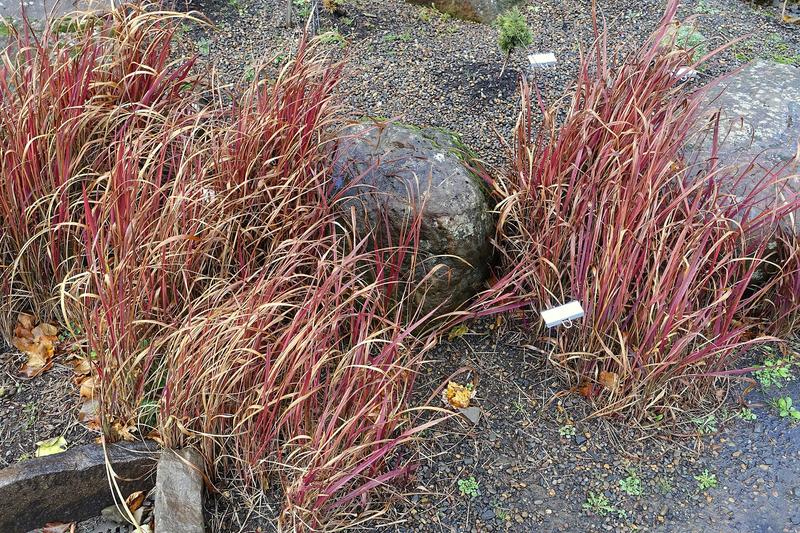
Quick facts
- Watering
- Weekly during dry spells
- Sunlight
- Full sun to partial shade
- Soil
- Well-drained, moderately fertile
- Humans
- Safe
- Cats
- Safe
- Dogs
- Safe
- Height
- 30–50 cm
- Spread
- 30–40 cm
- Spacing
- 30–40 cm apart
- RHS recognition
- Award of Garden Merit
About Japanese Blood Grass
Japanese Blood Grass is a striking ornamental grass renowned for its vivid crimson-tipped foliage that intensifies from spring through autumn. Native to East Asia, this cultivar has become a favourite among UK gardeners for adding dramatic colour to borders, gravel gardens, and contemporary planting schemes. The upright blades emerge green at the base and transition to brilliant blood-red tips, creating a stunning visual effect that rivals many flowering perennials. In the UK climate, it remains compact and well-behaved, making it an excellent choice for adding year-round interest without the invasive tendencies of its wild parent species.
UK fact: Japanese Blood Grass received the RHS Award of Garden Merit in 2012, recognising its outstanding ornamental value and reliable performance in British gardens, where cooler temperatures help intensify its spectacular red colouration.
Watering Japanese Blood Grass
Water regularly during the first growing season to establish a deep root system, particularly important during dry spring and summer periods. Once established, Japanese Blood Grass is moderately drought-tolerant but performs best with consistent moisture during prolonged dry spells typical of British summers. In containers, water more frequently as the shallow root system dries out quickly. Avoid waterlogging, particularly during winter months when excess moisture can lead to root rot.
Sunlight requirements
Japanese Blood Grass develops its most intense red colouration in full sun, making south or west-facing positions ideal in UK gardens. In partial shade, the foliage remains attractive but with more green and less dramatic red tipping. Avoid deep shade, which causes the plant to lose its characteristic colour and become predominantly green with weak, floppy growth.
Soil and feeding
Japanese Blood Grass thrives in most well-drained soils, including sandy, loamy, and even poor soils, making it adaptable to many UK garden conditions. It tolerates a wide pH range from slightly acidic to neutral (pH 5.5-7.5) and performs well in both clay soils amended with grit for drainage and lighter sandy soils. Avoid heavy, waterlogged clay without improvement, as winter wet can damage the roots. In containers, use a loam-based compost such as John Innes No. 2 mixed with horticultural grit for optimal drainage.
Apply a balanced slow-release fertiliser in early spring as new growth emerges, using a general-purpose granular feed at half the recommended rate to avoid excessive lush growth that dilutes the red colouration. Avoid high-nitrogen feeds, which promote green foliage at the expense of the characteristic red tipping. Container-grown plants benefit from a liquid feed every 4-6 weeks during the growing season.
Pruning Japanese Blood Grass
Cut back all dead foliage to ground level in late February or early March before new growth begins, wearing gloves as the leaf edges can be sharp. This annual hard prune removes winter-damaged leaves and encourages fresh, vibrant growth with the best red colouration. During the growing season, remove any all-green shoots immediately, as these reversions lack the red colour and can eventually dominate if left unchecked. Deadheading is unnecessary as this cultivar rarely flowers in the UK climate.
Propagating Japanese Blood Grass
Propagate Japanese Blood Grass by division in spring (April to May) when new growth is just emerging, as this timing allows divisions to establish quickly. Lift the entire clump carefully with a fork, then use a sharp spade or knife to divide it into sections, ensuring each piece has healthy roots and several growing points. Replant divisions immediately at the same depth, spacing them 30-40 cm apart, and water thoroughly. Division every 3-4 years maintains vigour and prevents the centre from dying out, whilst providing new plants for other areas of the garden.
Common problems
Japanese Blood Grass is generally pest and disease-free in UK gardens, making it a low-maintenance choice for ornamental plantings. The main issue is reversion to all-green growth, which occurs when shoots lose the red colouration; remove these immediately at the base to prevent them overtaking the plant. In very wet winters or poorly drained soils, crown rot can occur, causing sections to die back; improve drainage and avoid planting in heavy clay without amendment. Occasionally, aphids may colonise new spring growth, but these are easily controlled with a strong water spray or insecticidal soap if populations become problematic.
Spot a problem with your plant? Photograph the affected area using the Loam app and it will suggest the most likely cause and treatment.
Safety
- Humans
- Safe
- Cats
- Safe
- Dogs
- Safe
Toxicity information is for general guidance only.
Seasonal care calendar
Monthly care guide for Japanese Blood Grass in the UK, based on average conditions.
| Month | Care tasks |
|---|---|
| January | No action needed; foliage remains standing for winter interest. |
| February | Cut back all dead foliage to ground level in late February before new growth emerges. |
| March | Apply slow-release balanced fertiliser as new shoots appear; divide established clumps if needed. |
| April | Monitor new growth for all-green reversions and remove immediately; water during dry spells. |
| May | Water regularly to support active growth; red tipping begins to develop on new foliage. |
| June | Continue watering during dry periods; foliage colour intensifies in full sun. |
| July | Water weekly during dry spells; red colouration reaches peak intensity. |
| August | Maintain watering schedule; foliage remains at its most vibrant. |
| September | Reduce watering as temperatures cool; autumn colour intensifies further. |
| October | Allow foliage to stand for autumn and winter interest; reduce watering. |
| November | No action needed; foliage provides structural interest through winter. |
| December | No action needed; dried foliage adds texture to winter garden. |
Frequently asked questions
- Why is my Japanese Blood Grass turning green instead of red?
- Insufficient sunlight is the most common cause of green foliage; move to a sunnier position for best red colouration. Excessive nitrogen fertiliser also promotes green growth, so use balanced feeds at half strength. Additionally, some shoots naturally revert to all-green growth and must be removed immediately at the base to prevent them dominating the plant.
- How can I track when to cut back my Japanese Blood Grass each year?
- The Loam app can send you personalised reminders in late February to cut back your grass before new growth begins, and alert you to watch for green reversions during the growing season. It also tracks your local weather to suggest optimal watering schedules based on recent rainfall in your area.
- Is Japanese Blood Grass invasive in the UK like its parent species?
- No, the cultivar 'Rubra' is not invasive in the UK climate and rarely sets seed, unlike the wild species Imperata cylindrica which is highly invasive in warmer regions. 'Rubra' spreads slowly by rhizomes and remains compact and well-behaved, making it safe for British gardens. Always purchase from reputable nurseries to ensure you have the true cultivar.
Got a question about growing Japanese Blood Grass that isn't covered here? Ask the Garden Advisor in the Loam app. It knows your saved plants and local conditions.
Related plants
This page was compiled with AI assistance and reviewed by our team. .